
The Sparrows by KA Abbas Summary
The story was originally written in Urdu under the title “Ababeel”. Abbas was just 21 years old when he penned it, which places its creation around 1935. It was subsequently included in a West German anthology of the world’s best stories, gaining early international recognition. Later it was included in multiple story collections of K.A. Abbas from 1947 onwards.
Rahim Khan, a strong middle-aged farmer, returns from his fields with a reputation of cruelty. The whole village fears and hates him for his harshness toward men, animals, and even children. His own wife has left him, and his sons had earlier run away because of his beatings.
Rahim Khan’s bitterness is rooted in his youth: he once loved a Hindu girl, Radha, and dreamed of joining a circus, but his parents crushed both dreams by forcing him into farming and an arranged marriage. Filled with frustration, he took lifelong revenge on his wife and family, making himself cruel and heartless.
When his wife finally leaves, Rahim Khan feels lonely and restless. Then, by chance, he discovers a sparrow family nesting in his hut. At first tempted to destroy the nest, he is moved by the tiny birds’ courage and lets them stay. Slowly, he grows fond of them, even naming the fledglings after his runaway sons, Bundu and Nuru.
The sparrows bring him his first experience of tenderness in decades. One rainy night, when their nest is endangered, he risks his health to repair the roof. Soaked, he falls ill with fever. Villagers, seeing him weak and talking to the birds, think he has gone mad. They send for his wife and sons. When they arrive, they find Rahim Khan dead—his only companions, fluttering around him, are the sparrows.
The Sparrows by KA Abbas
The sun was setting behind the mango tree which fringed the western extremity of the village when Rahim Khan returned from the fields. Broad and strong despite his fifty odd years, with the plough on his shoulders, and driving his two oxen, he walked through the main street of the village with a haughty and unfriendly air. As he approached the chaupal where a dozen or so peasants were collected for their evening smoke, the hilarious tones of gossip died down to cautious whispers.
It was only when he had vanished round the corner and the heavy tread of his footsteps was heard no more that Kallu, passing the communal hookah to another, remarked, ‘There goes the hard-hearted devil!’ To which Nanha, the fat sweet-seller, added, ‘He is getting worse every day. Only yesterday he beat poor Ramoo’s child for throwing a pebble at his oxen.’ Ramnath, the officious Zaildar, volunteered further details of Rahim Khan’s recent cruelties. ‘And the other day he very nearly killed my mare for straying into his field.’ The Zaildar, of course, thought it quite irrelevant to mention that the straying of his mare had been specially planned by his own mischievous sons.
The old grey-haired Patel was, as usual, the last to open his toothless mouth. And as usual, his words were prefaced by a pious invocation to the Almighty. ‘Hare Ram! Hare Ram!’ he muttered, ‘I have never seen such a cruel man. He has compassion neither for the child nor for the helpless animal. No wonder his own sons have run away from home.’
The subject of their conversation, meanwhile, had reached his hut which, almost symbolically, stood gaunt and aloof, at a distance from the neighbouring cluster of houses. Leaning the plough up against the low wall of his house, he proceeded to tie the oxen to a pair of big wooden stakes embedded in the ground just in front of his doorway.
‘Bhai Rahim Khan!’ an obsequious voice said behind him as he was about to enter the house.
‘What is it?’ he gruffly queried, turning round to address the old woman who had come out of the house nearest his own. As she hesitated to speak he fired a volley of questions. ‘What is it? I won’t eat you. Why don’t you speak, woman? Has your son been arrested again for revenue arrears or has your daughter-in-law delivered another baby?’
As he stopped for breath, the woman summoned up all her courage to utter two words, ‘Your wife …’
‘… has run away!’ he completed the sentence with a grin which broadened with the realization that he had guessed right.
‘No, no,’ the woman hastily explained with an apologetic look, as if she herself were responsible for his wife’s absence. ‘She has gone to her brother at Nurpur and will be back in a few days.’
‘Bah!’ he flung back at her, opening the door. He knew that his wife would never come back.
Seething with inward wrath he entered the dark hut and sat down on the charpoy. A cat mewed in a corner. Finding no one else on whom to vent his anger he flung it out, slamming the door with violence.
There was no one to give him water to wash his dust-laden feet and hands, no one to give him supper, no one whom he could curse and beat. Rahim Khan felt uncomfortable and unhappy. He had always been angry with his wife when she was there, but her absence angered him still more.
‘So she’s gone,’ he mused, lying down on the cot, having decided to go to sleep without his food. During the thirty years of their married life he had always felt that she would leave him one day; at one time, he had even hoped she would. Six years ago, his eldest son Bundu had run away from home because of a more than usually severe beating. Three years later, the younger one, Nuru, joined his brother. Since that day, Rahim Khan felt sure his wife, too, would run away to her brother’s house. But now that she had gone, he felt unhappy – not sorry, no, for he had never loved his wife – but only uncomfortable, as if a necessary piece of furniture had been removed. With her gone, on whom could he shower the outpourings of an embittered heart?
For thirty years his wife had been both the symbol and target of all his grievances against family, against society, against life.
As a youth there had been none in the village to beat him in feats of athletic skill – in wrestling, in kabadi, in diving from the canal bridge. He had loved a girl, and had wanted to join a touring circus which happened to pass through the village. In the circus, he had felt, lay the key to his ambitions – a career after his own heart – travel – fame. And in Radha, the daughter of Ram Charan, the village baniya, he thought he had found his soulmate. He had first noticed her watching him at a wrestling match and it had been the greatest moment of his life when, standing up – after vanquishing his adversary – he found Radha looking at him with the light of love in her eyes. After that there had been a few brief and furtive meetings when the unlettered but romantic youth had declared his love in passionate though halting words. But his parents had killed both the ambitions. Circus work was too lowly and immoral for a respectable peasant. Anyway, his father, grandfather and all his ancestors had tilled the land, so he too had to do it. As for marrying Radha, a Hindu, a Kafir, the very idea was infamous, and irreligious.
For some time, Rahim Khan, with youthful resentment, toyed with the idea of open rebellion. But the tradition of centuries of serfdom ran in his blood and, however indignant he might have felt at his father’s severity, he could not summon enough courage to defy parental authority and social traditions. After a few days, the circus left the village without Rahim Khan, and the furtive romance with Radha too came to an abrupt end. Rahim Khan’s father slyly suggested to Ram Charan that his daughter was now fifteen and ought to have been married long ago, not failing to hint at the disastrous consequences of late marriages. Within a few weeks Radha was married to Ram Lal, a middle-aged, pot-bellied baniya of the neighbouring village. With a few sad tears shed in the solitude of the night in memory of her hopeless romance with Rahim Khan, she quickly reconciled herself to her fate and proceeded forthwith to be the mother of half-a-dozen children.
Rahim Khan also married. He had, of course, no choice in the matter. His parents selected the girl, fixed the date, ordered some gaudy clothes for him and some silver ornaments for his bride, sat him on a horse and, to the beat of a brass band, took him to the girl’s house where the nikah was duly performed. To the Kazi’s formal questions Rahim Khan mechanically nodded his head. Any other course was impossible. Nobody, of course, cared to ask the girl who sat huddled in a dark room only dimly conscious of the fate to which she had been condemned. After the ceremony, Rahim Khan’s father, in a mood of self-congratulation, boasted to his wife: ‘See how meekly he obeyed me. You always feared he might refuse to fall in with our arrangements. I know these youngsters. They are apt to be restless if their marriage is delayed. That is why our fathers believed in marrying away their children early. Now he will be all right!’
At that very moment, standing on the threshold of the room where his wife awaited him much as a sheep awaits the butcher, Rahim Khan made a terrible resolve to avenge himself on his parents, his family, on society. He held them all responsible for the frustration of his life’s dreams. And in his confused, illogical mind he regarded his bride as the symbol of the persecution to which he had been subjected. On her he would wreak his vengeance. Iron entered his hitherto kindly soul as he rudely pushed open the door.
That was thirty years ago, Rahim Khan reflected as he lay there on his cot in the dark hut. And hadn’t he had his revenge? For thirty years he had ill-treated his wife, his children and his bullocks, quarrelled with everyone in the village and made himself the most hated person in the whole community. The thought of being so universally detested gave him grim satisfaction.
No one in the village, of course, understood or tried to understand the reason for this strange transformation of the cheerful and kind young man into the beast that he had become. At first, their attitude towards him was one of astonished hostility, but later it changed to indifference mingled with fear. Of understanding and sympathy he received none. Shunned by everyone, with a bitterness ever gnawing at his heart, Rahim Khan sought consolation in the unquestioned authority over his wife which society allowed him.
For thirty years his wife had submitted to his persecution with the slave-like docility that is the badge of her tribe. Lately, indeed, she had become so used to corporal chastisement that it seemed unnatural if a whole week passed without a beating. To Rahim Khan beating his wife had become a part of his very existence. As sleep gathered round him, his last thought was whether he would be able to endure a life without having an opportunity of indulging in what had now become his second nature. It was perhaps the only moment when Rahim Khan had a feeling, not exactly of affection for his wife, but of loneliness without her. Never before had he realized how much the woman he hated was a part of his life. When he woke it was already late forenoon and he started the day by cursing his wife, for it was she who used to wake him up early every morning. But he was in no great hurry today. Lazily, he got up and after his ablutions, milked the goat for his breakfast which consisted of the remains of the previous day’s chapattis soaked in fresh milk. Then he sat down for a smoke, with his beloved hookah beside him. Now the hut was warm and alight with the rays of the sun streaming in through the open window. In a corner they revealed some cobwebs and, having already decided to absent himself from his fields, he thought he would tidy his hut. Tying some rags to the end of the long pole, he was about to remove the cobwebs when he saw a nest in the thatched roof. Two sparrows were fluttering in and out, twittering constantly.
His first impulse was to wreck the nest with one stroke of his pole but something within him made him desist. Throwing down the pole, he brought a stool and climbed upon it to get a better view of the sparrows’ home. Two little featherless mites of red flesh, baby sparrows, hardly a day old, lay inside, while their parents hovered round Rahim Khan’s face, screaming threateningly. He barely had a glimpse of the inside of the nest when the mother sparrow attacked him.
‘Oh damn, you vixen, you might have plucked out my eye,’ exclaimed Rahim Khan with his characteristic hollow laugh and climbed down from his perch. He was strongly amused by the little birds’ heroic efforts to save their home and children. The sparrow nest suffered no harm that day and peace reigned in Rahim Khan’s hut.
Next day he resumed his daily work. Still, no one talked to him in the village. From morning till late in the afternoon he would toil in the field, ploughing furrow and watering the crops, but he returned home before sunset. Then he would lie on his cot, smoking his hookah and watching with lively interest the antics of the sparrow family. The two little ones had now grown into fine young birds and he called them Nuru and Bundu after his lost sons whom he had not seen for several years. The four sparrows were his only friends in the world. His neighbours were still frightened of him and regarded his recent peaceful behaviour with suspicion. They were genuinely astonished that for some time no one had seen him beating his bullocks. Nathoo and Chhidoo themselves were happy and grateful and their bruised bodies had almost healed.
One monsoon evening, when the sky was overcast with threatening clouds, Rahim Khan returned from the fields a little earlier than usual. He found a group of children playing on the road. They ran away as they saw him, and even left their shoes behind in their haste. In vain did Rahim Khan shout, ‘Why are you running away? I am not going to beat you.’ Meanwhile, it had started drizzling and he hurried homewards to tie up his bullocks before the big downpour came.
Entering his hut, Rahim Khan lighted the earthenware oil lamp and placed some crumbs of bread for the sparrows before he prepared his own dinner. ‘Oh Nuru, oh Bundu,’ he shouted but the sparrows did not come out. Anxious to find out what had happened to his friends, he peered into the nest and found the quartet scared and sitting huddled up within their feathers. At the very spot where the nest lay, the roof was leaking. Rahim Khan took a ladder and went out in the pouring rain to repair the damage. By the time the job was satisfactorily done he was thoroughly drenched. As he sat on the cot, Rahim Khan sneezed but he did not heed the warning and went to sleep. Next morning he awoke with high fever.
When the villagers did not see him going to the fields for several days they grew anxious and some of them came to see what the matter was. Through a crack in the door they saw him talking, they thought to himself. ‘Oh Bundu, oh Nuru, who will feed you when I am gone?’
The peasants shook their heads sympathetically. ‘Poor fellow,’ they said, ‘he has gone mad. We will send for his wife to look after him.’
Next morning, when Rahim Khan’s wife, anxious and weeping, came with her sons, a group of neighbours collected in sympathy. The door was locked from the inside and in spite of loud knocking no one opened. When they broke their way in they found the large and gaunt frame of Rahim Khan lying in the brooding silence of the room, broken only by the fluttering of four sparrows.
Word Meaning
| Word | English Meaning | Hindi Meaning |
| Fringed | Bordered or edged with | किनारे से घिरा हुआ |
| Extremity | Farthest point or limit | अत्यंत सीमा |
| Plough | Farming tool used to turn soil | हल |
| Oxen | Plural of ox, bullocks used for farming | बैल |
| Haughty | Proud, arrogant | घमंडी |
| Chaupal | Village meeting place | गाँव का चौपाल |
| Peasants | Small farmers or laborers | किसान |
| Hilarious | Very funny or noisy | प्रफुल्लित, मज़ेदार |
| Cautious | Careful to avoid danger | सावधान |
| Whispers | Soft, low voices | फुसफुसाहट |
| Vanished | Disappeared suddenly | अचानक गायब होना |
| Communal | Shared by a group | सामूहिक |
| Hookah | Traditional smoking pipe | हुक़्का |
| Hard-hearted | Cruel, unkind | निर्दयी |
| Devil | Evil person | शैतान |
| Officious | Meddlesome, interfering | हस्तक्षेप करने वाला |
| Zaildar | Village headman (colonial India) | ज़ैलदार, गाँव का मुखिया |
| Volunteered | Offered to do something freely | स्वेच्छा से आगे आना |
| Straying | Wandering away, going off path | भटकना |
| Irrelevant | Not connected or important | अप्रासंगिक |
| Mischievous | Playfully causing trouble | शरारती |
| Prefaced | Introduced with a short remark | भूमिका में कहना |
| Pious | Deeply religious, holy | धार्मिक, पुण्यात्मा |
| Invocation | Prayer or calling upon God | प्रार्थना, आह्वान |
| Muttered | Spoke in a low, unclear voice | बड़बड़ाना |
| Compassion | Sympathy, kindness | दया, करुणा |
| Symbolically | Representing something else | प्रतीकात्मक रूप से |
| Gaunt | Thin and grim in appearance | दुबला-पतला, सूखा |
| Aloof | Distant, unfriendly | अलग-थलग |
| Cluster | Group close together | समूह |
| Wooden stakes | Wooden posts used for support | लकड़ी के खंभे |
| Obsequious | Overly polite, servile | चापलूस |
| Gruffly | Roughly, harshly | कठोरता से |
| Queried | Asked a question | प्रश्न किया |
| Volley | A quick series of questions or shots | प्रश्नों की झड़ी |
| Revenue arrears | Unpaid taxes | कर बकाया |
| Utter | To speak, say aloud | कहना, उच्चारित करना |
| Grin | Broad smile | दाँत दिखाकर मुस्कुराना |
| Hastily | Quickly, hurriedly | जल्दबाज़ी में |
| Apologetic | Showing regret | क्षमाप्रार्थी |
| Bah! | Exclamation of contempt/disgust | धिक्कार! / छी! |
| Flung | Threw forcefully | फेंक दिया |
| Seething | Boiling with anger | क्रोध से खौलता हुआ |
| Wrath | Extreme anger | क्रोध |
| Charpoy | Traditional woven bed | खाट, चारपाई |
| Vent | Express strongly (anger) | निकालना, प्रकट करना |
| Slamming | Closing violently (door etc.) | पटका देना, ज़ोर से बंद करना |
| Violence | Use of physical force | हिंसा |
| Dust-laden | Covered with dust | धूल से ढका हुआ |
| Mused | Thought deeply | सोच में डूबना |
| Cot | Small bed or simple bed | खाट / बिस्तर |
| Outpourings | Strong, uncontrolled expressions | उमड़ती भावनाएँ |
| Embittered | Full of bitterness | कटुता से भरा हुआ |
| Grievances | Complaints | शिकायतें |
| Feats | Great achievements requiring skill | कारनामे |
| Athletic | Physically strong | ताकतवर, खेल-कूद में निपुण |
| Kabadi | Traditional Indian game | कबड्डी |
| Vanquishing | Defeating completely | पराजित करना |
| Adversary | Opponent | प्रतिद्वंदी |
| Furtive | Secretive | गुप्त |
| Unlettered | Illiterate | अनपढ़ |
| Passionate | Full of strong feelings | जोशीला, भावुक |
| Halting | Hesitant | हिचकिचाता हुआ |
| Immoral | Against moral principles | अनैतिक |
| Peasant | Poor farmer | गरीब किसान |
| Ancestors | Forefathers | पूर्वज |
| Tilled | Ploughed land | ज़मीन जोती |
| Kafir | Non-believer (religious sense) | काफ़िर |
| Infamous | Well known for bad reasons | कुख्यात |
| Irreligious | Not religious | धर्महीन |
| Resentment | Feeling of anger at unfair treatment | नाराज़गी |
| Toyed | Played with casually | खेल-खेल में छेड़ना |
| Rebellion | Open resistance | विद्रोह |
| Serfdom | State of being a slave or servant | ग़ुलामी |
| Indignant | Showing anger at unfair treatment | आक्रोशित |
| Severity | Harshness, strictness | कठोरता |
| Defy | Resist, refuse to obey | अवज्ञा करना |
| Abrupt | Sudden and unexpected | अचानक |
| Slyly | Secretly, dishonestly | चालाकी से |
| Consequences | Results | परिणाम |
| Pot-bellied | Having a fat belly | तोंद वाला |
| Reconciled | Accepted, made peace with | समझौता कर लिया |
| Gaudy clothes | Bright, showy, tasteless clothes | भड़कीले कपड़े |
| Nikah | Muslim marriage ceremony | निकाह |
| Nodded | Moved head in agreement | सिर हिलाया (हाँ/ना में) |
| Huddled | Gathered closely together | सिकुड़ कर बैठना, झुंड में आना |
| Condemned | Declared to be wrong or doomed | निंदा किया हुआ, अभिशप्त |
| Meekly | Submissively, gently | विनम्रता से |
| Self-congratulation | Praising oneself | आत्म-संतोष |
| Boasted | Talked with pride | घमंड से कहना |
| Apt | Suitable, appropriate | उपयुक्त |
| Threshold | Entrance, beginning | दहलीज़, शुरुआत |
| Butcher | One who slaughters animals for meat | कसाई |
| Persecution | Cruel treatment | उत्पीड़न |
| Illogical | Not reasonable | अतार्किक |
| Vengeance | Revenge | प्रतिशोध |
| Hitherto | Until now | अब तक |
| Adornments | Decorations, ornaments | आभूषण |
| Detested | Hated | घृणित |
| Astonished | Very surprised | चकित |
| Hostility | Unfriendliness | शत्रुता |
| Indifference | Lack of interest | उदासीनता |
| Mingled | Mixed together | मिल जाना |
| Shunned | Avoided | दूर रहना |
| Gnawing | Continuous troubling feeling | कचोट, चुभन |
| Consolation | Comfort given in sorrow | दिलासा |
| Docility | Obedience, submissiveness | आज्ञाकारिता |
| Badge of her tribe | Symbol of her community | उसके समाज/कबीले का प्रतीक |
| Corporal chastisement | Physical punishment | शारीरिक दंड |
| Indulging | Allowing oneself to enjoy freely | लिप्त होना |
| Ablutions | Washing oneself (religious/daily) | शुद्धि स्नान |
| Alight | shining | प्रकाशित |
| Tidy | Neat and clean | साफ-सुथरा |
| Cobwebs | Spider’s web | मकड़ी का जाला |
| Thatched | Roof made of straw or grass | फूस का छप्पर |
| Fluttering | Moving wings quickly | फड़फड़ाना |
| Twittering | Chirping sound of birds | चहचहाना |
| Impulse | Sudden urge or desire | आवेग |
| Wreck | Destroyed thing | मलबा, टूटा-फूटा |
| Pole | Long stick/post | डंडा, खंभा |
| Mites | Tiny insects | कीड़े-मकोड़े |
| Hovered | Stayed in the air | मंडराना |
| Vixen | Angry woman | क्रोधित स्त्री |
| Desist | Stop doing something | रुक जाना |
| Perch | Resting place (for birds/person) | डाली, आसन |
| Reigned | Ruled, prevailed | शासन करना / हावी होना |
| Toil | Hard work | कठिन परिश्रम |
| Ploughing furrow | Digging/lines made by plough | हल से बनी नालियाँ |
| Amused | Entertained | मनोरंजन हुआ |
| Heroic | Brave | वीरता पूर्ण |
| Antics | Playful or silly behaviour | मज़ेदार हरकतें |
| Suspicion | Feeling of doubt | शक, संदेह |
| Bruised | Injured, having marks | चोटिल |
| Overcast | Cloudy sky | बादलों से ढका हुआ |
| Haste | Hurry | जल्दी, उतावलापन |
| Drizzling | Light rain | फुहार, हल्की बारिश |
| Hurried | Done quickly | जल्दी में करना |
| Downpour | Heavy rain | मूसलधार वर्षा |
| Earthenware | Made of clay | मिट्टी का बर्तन |
| Crumbs | Small pieces of bread | रोटी के टुकड़े |
| Peered | Looked closely | झाँककर देखना |
| Quartet | Group of four | चार का समूह |
| Huddled | Gathered closely together | सिकुड़कर बैठना / पास-पास इकट्ठा होना |
| Drenched | Soaked completely | भीगा हुआ |
| Satisfactorily | In an acceptable way | संतोषजनक रूप से |
| Sneezed | Expelled air suddenly (nose irritation) | छींकना |
| Heed | Pay attention | ध्यान देना |
| Anxious | Worried | चिंतित |
| Shook | Moved back and forth | हिलाया |
| Gaunt frame | Very thin body | दुबला-पतला शरीर |
| Brooding | Serious and unhappy thinking | गंभीर चिंतन |
| Fluttering | Flapping wings quickly | फड़फड़ाना |
Characters
Rahim Khan, the protagonist, is a deeply complex and tragic figure whose life arc captures repression, bitterness, and belated redemption. In his youth, he was strong, talented in wrestling, kabaddi, and diving, and romantically drawn to Radha, a Hindu girl. He dreamed of adventure in a circus, yearning for freedom, love, and fame. But his ambitions were crushed by parental authority and rigid traditions: the circus was “immoral,” and interfaith love “infamous.” Forced into farming and an arranged marriage, Rahim’s passions soured into resentment.
This betrayal of his individuality hardened him. Over thirty years, he turned into the “hard-hearted devil” of the village — beating his wife, sons, animals, and even children. His cruelty, however, was not innate but a warped revenge against the society that had denied him joy. He treated his wife as the “symbol of persecution,” venting his anger on her with mechanical brutality.
Yet, his vulnerability surfaces when she leaves: he feels “uncomfortable and unhappy,” not from love but because she was his outlet for rage. His transformation begins when he discovers sparrows nesting in his hut. Initially tempted to destroy them, he is moved by their bravery and names the fledglings Bundu and Nuru, revealing buried paternal affection. He feeds and protects them, even repairing their nest in the rain at the cost of his health. In delirium, he mistakes them for his sons, worrying who will feed them when he dies. His lonely death, softened by the sparrows’ fluttering, shows a man who could have lived tenderly but was broken by unfulfilled dreams.
Rahim Khan’s unnamed wife symbolizes the oppressed woman in patriarchal society. Married off without choice, she is “dimly conscious” of her fate on her wedding night. For thirty years, she endures abuse with “slave-like docility,” so much so that the absence of beatings feels “unnatural.” She embodies silent suffering, stripped of identity and agency, serving only to fulfill domestic chores and absorb Rahim’s frustrations.
Her eventual departure to her brother’s house in Nurpur marks a rare act of self-assertion, though framed as quiet escape rather than rebellion. Her absence unsettles Rahim, exposing how much he relied on her presence as a target. When she returns “anxious and weeping” at his illness, it reflects lingering compassion despite years of torment. Her tears at his death suggest pity for the man he might have been, not the brute he became. She represents countless rural women crushed under patriarchal marriages, her character a muted but powerful critique of gender inequality.
Rahim’s sons, Bundu and Nuru, are minor but symbolic characters. Both flee home after harsh beatings — Bundu six years earlier, and Nuru three years later — reflecting the destructive impact of Rahim’s cruelty. Their absence deepens his isolation and accelerates his wife’s departure.
Though physically absent, they live on in Rahim’s subconscious. He names the sparrow fledglings after them, revealing hidden regret and longing for lost bonds. In his fever, he confuses the sparrows with his sons, pleading, “Who will feed you when I am gone?” This tragic delusion underlines his suppressed paternal instincts. Their return with their mother after his death suggests a reconciliation was possible, but only too late. Bundu and Nuru thus embody lost filial love and generational trauma, emphasizing how cruelty fractures families.
Radha, Rahim’s youthful love, is a symbol of lost happiness and suppressed desire. She is the daughter of Ram Charan, the baniya, who briefly reciprocates Rahim’s affection after a wrestling match. Their romance, however, is doomed by religious barriers. To Rahim’s Muslim parents, Radha was a “Kafir,” making marriage “infamous and irreligious.” Soon after, her father marries her off to Ram Lal, a middle-aged baniya.
Radha quickly reconciles to her new life, becoming the mother of many children. Her adaptability contrasts sharply with Rahim’s lifelong bitterness. For him, she remains a haunting “soulmate,” a reminder of what could have been. Radha embodies both the cruelty of tradition and the resilience of women, highlighting how social boundaries destroy young love while demanding resignation from women.
The villagers serve as a collective chorus, voicing society’s judgment. At the chaupal, they gossip about Rahim’s cruelties — beating children, bullocks, and animals. They call him a “devil” but offer no empathy or understanding. Fear silences their laughter when he passes; children flee at his sight.
Individual figures add shades to the group:
Kallu condemns him directly, representing common villagers’ resentment.
Nanha, the sweet-seller, adds examples of cruelty.
Ramnath, the Zaildar, hypocritically accuses Rahim of attacking his mare, though his sons caused the trouble.
The Patel, pious elder, condemns Rahim’s lack of compassion, attributing his sons’ flight to divine justice.
When Rahim falls ill, villagers’ hostility turns into pity — they whisper, “Poor fellow, he has gone mad.” Their superficial sympathy reflects society’s inconsistency: quick to judge, too late to understand. They represent the indifference and hypocrisy of social order, enforcing traditions while neglecting human suffering.
The sparrows are the true catalysts of Rahim’s redemption and the story’s most powerful symbols. At first, Rahim nearly destroys their nest but is stopped by their fierce defense of their chicks. This bravery amuses and touches him, softening his hardened heart.
He begins to feed them, watches their “antics with lively interest,” and names the fledglings after his sons. They become his “only friends,” symbols of the family he has lost. During the storm, he risks his health to repair their leaking nest, an act of selfless love alien to his previous life. In the end, the sparrows embody innocence, family, and redemption. They awaken Rahim’s long-buried tenderness and accompany him in his death. Their fluttering fills the silence of his hut, replacing the absence of human affection. Through them, Abbas suggests that compassion survives even in broken souls, and nature offers the redemption society denies.
K. A. Abbas
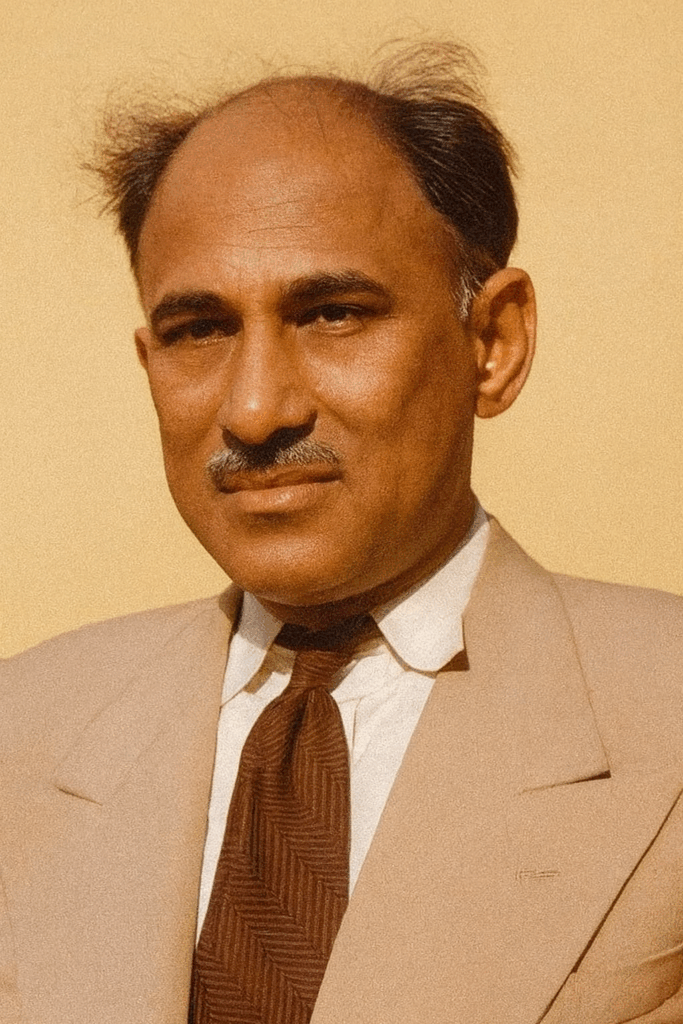
Khwaja Ahmad Abbas, popularly known as K.A. Abbas, was one of India’s most versatile and influential cultural figures. He was a film director, screenwriter, journalist, novelist, short-story writer, and playwright. His career lasted for more than 50 years, during which he wrote over 74 books, 90 short stories, 40 films, and 3,000 articles. He was best known for his progressive ideas, social realism, and commitment to justice and equality. In 1969, he was awarded the Padma Shri by the Government of India.
Early Life and Education
- Born: June 7, 1914, Panipat (Haryana)
- Abbas came from a well-known family with a strong literary background.
- His great-grandfather, Khwaja Altaf Hussain Hali, was a famous Urdu poet and reformer, and a disciple of Mirza Ghalib.
- His father, Ghulam-Us-Sibtain, was educated at Aligarh Muslim University and worked to modernize Unani medicine.
- His mother, Masroor Khatoon, belonged to a family that strongly supported women’s education.
Abbas studied at Hali Muslim High School (founded by his great-grandfather), and later joined Aligarh Muslim University (AMU).
- 1933: B.A. in English Literature
- 1935: Bachelor of Laws (LL.B.)
At AMU, he was influenced by socialist and progressive ideas, and the execution of Bhagat Singh in 1931 inspired much of his early writing.
Career in Journalism
Abbas began his journalism career in 1933 with National Call.
In 1934, while still a student, he founded the magazine Aligarh Opinion.
In 1935, he joined The Bombay Chronicle as a political correspondent and film critic.
His most famous work was his weekly column “Last Page” (also called Azad Kalam in Hindi/Urdu), which ran from 1936 until his death in 1987 — one of the longest-running newspaper columns in India.
As a journalist, he championed the poor, wrote against inequality, and even challenged negative portrayals of Indians in foreign films (such as Gunga Din in 1939). He interviewed world leaders like Nikita Khrushchev, Mao Tse-tung, Charlie Chaplin, and Yuri Gagarin, which gave him international fame.
Literary Contributions
Abbas was a prolific writer who used both Urdu, Hindi, and English to reach wide audiences. His works often reflected the struggles of common people.
Novels: Inquilab (1958), Tomorrow is Ours (1943), Divided Heart (1968).
Short Stories: Over 90 stories, including The Sparrows (Ababeel), Rice and Other Stories (1946), An Evening in Lucknow (2014). His stories captured both the strengths and weaknesses of ordinary people.
Autobiography: I Am Not an Island (1977, reprinted 2010).
Biographies: Wrote on Indira Gandhi, Khrushchev, and Yuri Gagarin.
Some of his works were controversial, like Ek Insaan ki Maut, which led to court summons. Many of his stories have been translated into Russian, German, Arabic, French, and Italian, showing his international reach.
Film Career
Abbas is remembered as a pioneer of Indian parallel cinema (neo-realism). He believed cinema should tell stories of the poor and address social issues.
Debut: Dharti Ke Lal (1946) – based on the Bengal famine, one of the first social-realist films in India.
Raj Kapoor Collaborations: Abbas wrote classics like Awaara (1951), Shree 420 (1955), Jagte Raho (1956), Mera Naam Joker (1970), Bobby (1973), and Henna (1991). These films, especially Awaara, gained worldwide recognition.
Own Production House (Naya Sansar, 1951): Produced Munna (1954), Shehar Aur Sapna (1963, National Award), Saat Hindustani (1969, Amitabh Bachchan’s debut), and Do Boond Pani (1971).
International Achievement: Neecha Nagar (1946), for which he wrote the screenplay, won the Palme d’Or at Cannes — the first Indian film to do so.
His films often focused on poverty, corruption, communal harmony, and struggles of the working class.
Personal Life and Ideals
Abbas was deeply influenced by Mahatma Gandhi’s values and Nehru’s secularism. He stayed in India after Partition, unlike many Muslim families, because he believed in secular, socialist India.
He believed art — literature, cinema, and journalism — should serve the people and bring social change. Despite health problems in his later years, he continued working until his death on June 1, 1987 (just days before his 73rd birthday).
Legacy
Abbas’s work combined literature, journalism, and cinema in the service of the people.
He was a founding member of the Progressive Writers’ Association (PWA) and closely linked with the Indian People’s Theatre Association (IPTA).
He received four National Film Awards, the Padma Shri (1969), and international recognition at film festivals.
The Khwaja Ahmad Abbas Memorial Trust (founded in 2014) works to keep his legacy alive. Even today, Abbas’s writings and films are valued for their progressive ideals, humanism, and criticism of social injustice. His story The Sparrows is one of the finest examples of his ability to portray the struggles of ordinary lives with empathy and realism.
Themes
1. Cruelty and Frustration
Rahim Khan’s cruelty is rooted in crushed ambitions and lost love.
His parents denied him freedom: they forbade circus life and rejected his romance with Radha.
Unable to rebel openly, he took revenge on his wife, children, and animals.
For thirty years, his life became a cycle of bitterness and violence.
Theme shows: how personal frustration can twist into cruelty against others.
2. Loneliness and Need for Love
Rahim Khan isolates himself: villagers hate him, his sons run away, his wife leaves.
At first, he feels her absence like “a necessary piece of furniture removed.”
The sparrows break this loneliness; he finds joy in watching and naming them “Bundu” and “Nuru.”
His deathbed words — “Who will feed you when I am gone?” — reveal his deep attachment.
Theme shows: every human heart, however hard, craves affection and belonging.
3. Oppression of Women
Rahim Khan’s wife is the silent victim of his bitterness.
Married without choice, beaten regularly, she accepts abuse as “part of her very existence.”
Symbol of countless rural women bound by patriarchy, denied dignity or freedom.
Her eventual departure is a quiet act of rebellion, though tragically late.
Theme shows: how women suffer voicelessly under social and marital oppression.
4. Redemption through Nature
The sparrows symbolize innocence, love, and family bonds.
At first Rahim wants to destroy the nest, but he is moved by their courage.
He becomes protective, even risking his health to save them during a storm.
Through them, his hidden humanity resurfaces, offering him brief peace.
Theme shows: nature can redeem even the most embittered soul.
5. Society’s Indifference
Villagers call Rahim a “hard-hearted devil,” gossip about his cruelty, and avoid him.
None try to understand the cause of his transformation from cheerful youth to bitter man.
When sick, they dismiss him as “mad” instead of recognizing his love for sparrows.
Their sympathy comes too late — only after his death.
Theme shows: society is quick to judge but slow to empathize or help.
Style
1. Realism
Abbas writes in a simple, direct, realistic style.
The story vividly depicts Indian village life — the chaupal, peasants gossiping, hookah, the plough, bullocks, the charpoy.
Domestic cruelty (wife-beating, children running away) is shown without exaggeration, reflecting harsh social reality.
Example: villagers’ casual remarks about Rahim Khan’s violence make it feel common, almost normalized.
2. Psychological Depth
Story explores the inner world of Rahim Khan: his past dreams, frustrations, and bitterness.
Readers see not just his cruelty but also its roots — lost love (Radha), lost ambition (circus), parental control.
His cruelty is revealed as a mask for inner wounds.
This makes Rahim a tragic anti-hero rather than a flat villain.
3. Symbolism
The sparrows are the central symbol:
They represent love, family, tenderness, and innocence.
The baby sparrows are named Bundu and Nuru, symbolizing Rahim’s longing for his lost sons.
Their fluttering at the end symbolizes nature’s mourning — they become his only mourners.
The hut “gaunt and aloof” reflects Rahim’s isolated personality.
4. Irony
Villagers call him cruel and merciless, but his only genuine affection is for sparrows — creatures smaller than a fist.
He protects birds while society assumes he has “gone mad.”
He dies alone, though surrounded by sparrows, not humans.
This ironic contrast between perception and reality is a key stylistic device.
5. Narrative Technique
Third-person omniscient narration: narrator knows Rahim’s past, emotions, and hidden motives.
Provides both objective scenes (villagers gossip, wife leaves) and subjective insight (Rahim’s memories and loneliness).
Balanced mix of external action and internal reflection.
6. Simplicity of Language
Abbas avoids ornamental or overly poetic language.
Uses short, sharp sentences, local words (chaupal, charpoy, hookah, nikah), and rural imagery.
This keeps the story accessible to common readers while still carrying deep meaning.
7. Social Realism + Humanism
Like many of Abbas’s works, style combines criticism of social injustices (forced marriage, patriarchy, cruelty) with sympathy for the individual.
Even Rahim, the “devil,” is treated with compassion at the end — shown as a man broken by society.
The style reflects Abbas’s belief in progressive literature as a tool of social awareness.
Symbolism
1. The Sparrows
Central Symbol: Represent love, family, innocence, and tenderness.
Their protection of their young mirrors the care Rahim failed to give his own children.
By naming them Bundu and Nuru, Rahim projects his lost fatherhood onto them.
Their fluttering at his deathbed symbolizes nature’s mourning — sparrows become his only mourners, unlike humans.
Meaning: They are symbols of redemption and hope — showing that even a cruel heart can rediscover love.
2. Rahim Khan’s Hut
Described as “gaunt and aloof”, standing apart from the village cluster.
Symbolizes Rahim’s isolation from society and family.
Inside the hut, darkness and cobwebs reflect his neglected, bitter inner life.
Once the sparrows arrive, the hut becomes lively and warm, symbolizing a home restored by affection.
3. The Plough and the Oxen
Plough and oxen = symbols of burden and tradition.
They tie Rahim to a life of forced farming, imposed by his parents.
His cruelty to the oxen reflects his rebellion against the bondage of rural tradition.
They also symbolize how oppression passes down: just as Rahim was forced into farming, he forces pain on his wife, children, and animals.
4. Rahim Khan’s Wife
More than a character, she is a symbol of oppression.
Represents countless women in patriarchal society who suffer silently.
For Rahim, she becomes the symbol of the society that crushed him — which is why he vents his anger on her.
When she leaves, it symbolizes the collapse of the only human connection he had left.
5. Radha (Rahim’s Lost Love)
Symbol of Rahim’s lost happiness and unfulfilled dreams.
Her marriage to another man symbolizes the power of communal and social barriers that destroyed individual love.
For Rahim, she represents the life he could never have — and the root of his lifelong bitterness.
6. The Storm and the Leaking Roof
The storm = symbol of danger and destruction but also a test of Rahim’s humanity.
The leaking roof threatens the sparrows’ nest.
Rahim repairs it in heavy rain, showing his final act of love and sacrifice.
The storm symbolizes Rahim’s inner turmoil, while his act shows redemption through compassion.
7. The Villagers’ Gossip
Their chatter and judgment symbolize society’s indifference and hypocrisy.
They condemn Rahim as a “hard-hearted devil” but ignore the roots of his bitterness.
Their failure to understand him symbolizes the coldness of society toward human suffering.
Very Short Answer Questions
Who is the central character of the story?
Rahim Khan.
How did the villagers feel about Rahim Khan?
They feared and hated him for his cruelty.
Why had Rahim Khan beaten Ramoo’s child?
For throwing a pebble at his oxen.
What was the Patel’s opinion of Rahim Khan?
That he was cruel and without compassion.
Where did Rahim Khan’s hut stand in the village?
Aloof and apart from other houses.
Why did Rahim Khan’s wife leave him?
To live with her brother at Nurpur.
What happened to Rahim Khan’s sons, Bundu and Nuru?
They ran away after his beatings.
Whom did Rahim Khan love in his youth?
Radha, the daughter of a baniya.
What career did Rahim Khan dream of?
Joining a circus.
Why was his love for Radha opposed?
Because she was a Hindu and considered a kafir.
What decision did Rahim Khan make on his wedding night?
To avenge himself on his family and society.
What became Rahim Khan’s second nature?
Beating his wife.
What did Rahim Khan first want to do to the sparrows’ nest?
Destroy it with a pole.
Why did Rahim Khan spare the sparrows?
He was moved by their courage in protecting their young.
What names did Rahim give the baby sparrows?
Bundu and Nuru.
What surprised the villagers about Rahim’s behavior?
He stopped beating his bullocks.
What did the children do when they saw Rahim Khan?
They ran away in fear.
Why did Rahim repair the leaking roof in the rain?
To protect the sparrows’ nest.
What illness struck Rahim after the storm?
Fever.
Who were by Rahim Khan’s side when he died?
The four sparrows fluttering in his hut.
Short Answer Questions
1. Why was Rahim Khan hated by the villagers?
Rahim Khan was disliked because of his constant cruelty. He beat children for small mistakes, ill-treated his oxen, and even abused his wife. The villagers remembered several incidents, such as his beating of Ramoo’s child and his attack on the Zaildar’s mare. His rude and unfriendly manner created fear and hatred. Over time, he became the most detested man in the village.
2. What happened to Rahim Khan’s wife?
Rahim Khan’s wife endured thirty years of cruelty silently. She was beaten so often that she accepted it as part of her life. Finally, she left him and went to her brother’s house in Nurpur. The neighbors thought she would return, but Rahim knew she would not. Her absence left him lonely and restless.
3. Why did Rahim Khan’s sons run away from home?
Rahim Khan’s sons, Bundu and Nuru, could not tolerate their father’s cruelty. Bundu ran away six years earlier after being beaten severely. Three years later, Nuru also left the house to join his brother. Their escape showed their inability to endure constant violence. Their absence deepened Rahim Khan’s loneliness and guilt.
4. What were Rahim Khan’s youthful dreams?
As a youth, Rahim Khan wanted freedom and joy in life. He dreamed of joining a circus to travel, perform, and earn fame. He was also deeply in love with Radha, a Hindu girl. But his parents rejected both dreams as immoral and irreligious. Their refusal crushed his spirit and filled him with lifelong bitterness.
5. How did Rahim Khan treat his wife after marriage?
On his wedding night, Rahim Khan decided to take revenge on society through his wife. He saw her as a symbol of the injustice done to him. For thirty years, he beat and insulted her regularly. She endured the torture with silent submission. His cruelty towards her became his second nature.
6. How did Rahim Khan discover the sparrows?
One morning, Rahim Khan noticed cobwebs in his hut and decided to clean them. While doing so, he found a nest of sparrows in the thatched roof. At first, he thought of destroying it with a pole. But the parent sparrows bravely attacked him to protect their young. Amused by their courage, Rahim spared the nest.
7. Why did Rahim Khan name the sparrows Bundu and Nuru?
The two baby sparrows reminded Rahim Khan of his lost sons. He named them Bundu and Nuru, after the children who had run away years ago. This act showed his hidden longing for fatherly affection. The sparrows became his only family and companions. Through them, Rahim rediscovered tenderness and care.
8. How did the villagers react to Rahim Khan’s change?
The villagers were surprised to see Rahim Khan behaving peacefully. They noticed he no longer beat his bullocks or quarreled with others. However, they remained suspicious of his sudden change. Some thought he had gone mad when they saw him talking to sparrows. Their reaction shows society’s indifference to inner struggles.
9. What did Rahim Khan do during the storm?
One monsoon evening, Rahim saw that the roof above the sparrows’ nest was leaking. Afraid for their safety, he climbed a ladder in the heavy rain to repair it. He worked until the damage was fixed, completely drenching himself. This act of sacrifice showed his deep care for the sparrows. But the effort made him fall seriously ill.
10. How did Rahim Khan die?
Rahim Khan developed a high fever after saving the sparrows during the storm. He remained in his hut, talking to the birds as if they were his children. The villagers thought he had gone mad and called his wife and sons. But when they arrived, they found him dead. His only mourners were the four sparrows fluttering above him.
Long answer questions
Discuss Rahim Khan’s transformation from cruelty to tenderness.
Rahim Khan, the central figure in The Sparrows, is introduced as a cruel and heartless man. The villagers fear him because he beats children, animals, and even his own wife and sons. His hut, standing aloof from the rest of the houses, symbolizes his isolation from society. For thirty years, Rahim vented his bitterness on his family and bullocks, making himself the most hated person in the village. At this stage, cruelty had become his second nature.
The roots of his cruelty, however, lie in his past. As a young man, Rahim was strong, cheerful, and full of dreams. He loved a Hindu girl, Radha, and wished to join a circus to live a life of adventure and fame. But his parents crushed both desires — calling circus life immoral and Radha a kafir. Forced into farming and an arranged marriage, Rahim felt betrayed by his family and society. On his wedding night, he resolved to take revenge on life itself, and he chose his wife as the target of his anger. Thus, his cruelty was not natural but born of frustration and crushed dreams.
The transformation begins only after his wife leaves him. Her absence makes Rahim restless and lonely. For the first time, he realizes that the woman he hated was still a part of his life. In this emptiness, Rahim discovers a pair of sparrows nesting in his hut. At first, he thinks of destroying the nest, but the courage of the birds in defending their young softens him. Amused and touched, he spares the nest and gradually becomes fond of the sparrows, even naming the chicks Bundu and Nuru after his lost sons.
From then on, the sparrows become Rahim’s only companions. He enjoys their company, feeds them, and spends his evenings watching their playful antics. When a storm threatens their nest, Rahim climbs up in the heavy rain to repair the leaking roof. This act of sacrifice, done entirely out of love for the birds, marks the peak of his transformation. He falls ill with fever but continues to worry about who will feed the sparrows if he dies, showing his deep attachment.
Thus, Rahim Khan, once the symbol of cruelty, ends his life with tenderness and care. His change is not brought about by people — who only feared and hated him — but by the innocence of sparrows, which awakened his hidden humanity. His death, with sparrows fluttering around his body, symbolizes his redemption through love. Abbas uses Rahim’s story to suggest that even the hardest heart has the capacity for tenderness when touched by genuine affection.
How does The Sparrows highlight the oppression of women in society?
K. A. Abbas’s The Sparrows is not just the story of Rahim Khan, but also of his unnamed wife, who silently suffers his cruelty for thirty long years. Through her character, Abbas powerfully portrays the oppression of women in traditional rural society, where they had no voice, no choice, and no freedom. Her life represents the countless women who were forced into loveless marriages and endured violence as their daily reality.
Rahim Khan’s wife was married off without being asked about her wishes. On the very first night, Rahim resolved to vent his anger on her, treating her not as a partner but as a symbol of his own crushed dreams. She became the constant target of his beatings and insults. So accustomed was she to his violence that it seemed unnatural to her if a week passed without a beating. This shows how women were conditioned to accept abuse as part of their existence.
Her silence is significant. For three decades, she does not rebel or protest. Instead, she submits with “the slave-like docility that is the badge of her tribe.” Abbas here generalizes her condition as that of most rural women of the time, suggesting that her suffering was not unique but representative of a larger social reality. Women were expected to endure pain, serve their husbands, and remain voiceless.
Her eventual departure to her brother’s house at Nurpur is a quiet act of rebellion, though delayed. Even then, she is spoken of by neighbors in apologetic tones, as if her absence were something shameful. For Rahim, her leaving creates loneliness, but for her, it is an escape from years of humiliation. The fact that it took her decades to leave shows how deeply entrenched patriarchal control was in society.
Thus, The Sparrows highlights the oppression of women by showing how Rahim Khan’s wife was denied agency, individuality, and respect. Through her life, Abbas criticizes a society that normalizes domestic violence and treats women as property. Her suffering is not just personal but symbolic of the larger condition of women in rural India. The story becomes a powerful social document exposing the cruelty of patriarchy and the silent endurance forced upon women.
Explain the symbolic significance of sparrows in the story.
In K. A. Abbas’s The Sparrows, the small birds become the central symbol of the story. They are not just creatures in Rahim Khan’s hut but carry deep meaning connected to his life, emotions, and redemption. The sparrows represent innocence, love, family, and the tenderness that Rahim had lost in his own human relationships.
At first, Rahim Khan sees the sparrows’ nest as an annoyance and almost destroys it. But the courage of the parent sparrows, who attack him to protect their young, softens his heart. Their devotion to family touches him deeply, making him realize what he has missed in his own life. By sparing the nest, he unknowingly begins a process of inner change from cruelty to compassion.
The two baby sparrows become especially significant. Rahim names them Bundu and Nuru after his runaway sons, symbolically filling the void left by his broken family. Watching the sparrows’ playful antics gives him joy and companionship, something he never experienced with his wife and children. They thus become a symbol of substitute fatherhood, allowing Rahim to experience tenderness he had long buried under cruelty.
The sparrows also become a test of Rahim’s love during the storm. When the roof above their nest begins to leak, he risks his health to repair it, sacrificing himself to save them. This act shows how deeply they transformed him, turning a man of violence into one capable of love and care. His final words, worrying about who will feed the sparrows when he is gone, show that they had become the center of his emotional world.
Thus, the sparrows are more than birds—they are symbols of love, family bonds, and redemption. They awaken the humanity buried under Rahim’s bitterness and accompany him till his death. Their fluttering in the hut after his death becomes a moving image of nature mourning for him. Through this symbolism, Abbas conveys that tenderness and love can survive even in the hardest of hearts.
How does the story reflect the conflict between tradition and personal freedom?
K. A. Abbas’s The Sparrows strongly reflects the clash between tradition and personal freedom, a conflict that shaped many lives in pre-Independence India. The story of Rahim Khan is not only a personal tragedy but also a symbol of how rigid customs and parental authority destroyed youthful dreams and individuality.
As a young man, Rahim Khan was full of life. He excelled in athletics, loved a Hindu girl named Radha, and wanted to join a circus to seek adventure and fame. These dreams represented his desire for freedom, personal choice, and a life beyond the narrow boundaries of his village. His romance with Radha showed a human need to rise above communal and social barriers.
However, tradition stood firmly against him. His parents rejected both his wishes, calling circus life immoral and Radha a kafir. They forced him into farming, as all his ancestors had done, and arranged his marriage without consulting him. This denial of personal freedom crushed his spirit. On his wedding night, he resolved to take revenge on his family and society by making his wife the symbol of his frustration.
The rest of Rahim Khan’s life becomes a bitter rebellion against the system that chained him. His cruelty toward his wife, children, and animals is not only personal anger but also his way of striking back at a society that denied him choice. Ironically, in trying to resist tradition, he became a victim of it, trapped in a life of violence and loneliness.
Thus, The Sparrows reflects the tragic outcome of the conflict between tradition and personal freedom. Rahim’s dreams were crushed by social and religious barriers, turning a cheerful youth into a hardened man. Through this story, Abbas criticizes a society that values blind tradition over individual happiness, showing how it destroys not only personal lives but also human compassion.
What social criticism does K. A. Abbas present in The Sparrows?
K. A. Abbas’s The Sparrows is more than the story of Rahim Khan’s personal life. It is also a powerful piece of social criticism that exposes the injustices and rigid traditions of Indian society in the early 20th century. Through Rahim’s tragedy, Abbas highlights how social evils destroy individuals, families, and communities.
One of the sharpest criticisms in the story is directed at patriarchal oppression of women. Rahim’s wife is married without her consent and becomes a victim of his lifelong frustration. For thirty years, she endures beatings in silence, representing the voicelessness of women in rural India. Her suffering symbolizes the social acceptance of domestic violence and the denial of dignity to women.
The story also criticizes communal and social barriers. Rahim’s love for Radha, a Hindu girl, is rejected because she is considered a kafir. His personal happiness is sacrificed at the altar of communal prejudice. Abbas uses this to show how interfaith love was forbidden, and how blind adherence to religion and tradition crushed genuine human bonds.
Another important criticism lies in Abbas’s portrayal of the villagers and society at large. They call Rahim cruel but make no attempt to understand the roots of his bitterness. Their gossip, indifference, and judgmental attitude show a society that condemns but does not empathize. Instead of offering help, they isolate Rahim further, leaving him lonely until his final days.
Thus, through The Sparrows, Abbas presents a broad social critique. He attacks patriarchy, communal prejudice, and blind traditions while exposing society’s indifference to suffering. Yet, he also suggests that love and compassion, symbolized by the sparrows, can redeem even a cruel heart. The story becomes a mirror to society, urging reform and greater humanity.
Critical Analysis
Introduction
Khwaja Ahmad Abbas (1914–1987), popularly known as K. A. Abbas, was a journalist, short story writer, novelist, and filmmaker. A key member of the Progressive Writers’ Movement, he often wrote about the struggles of ordinary people and social injustice. His short story The Sparrows (originally published in Urdu as Ababeel in 1935) is one of his most powerful works. It presents the tragic life of Rahim Khan, a cruel man transformed by love for sparrows, blending realism, symbolism, and social criticism.
Central Idea
The story explores how suppressed dreams, patriarchal control, and rigid traditions can turn a kind youth into a cruel man. Yet, it also emphasizes that tenderness is never completely lost — love and innocence, represented by sparrows, can awaken humanity even in a hardened heart. Abbas presents both the tragedy of oppression and the hope of redemption.
Plot Summary
Rahim Khan, a middle-aged farmer, is hated by villagers for his cruelty towards children, animals, his wife, and even his own sons. His past reveals that he once loved a Hindu girl, Radha, and dreamed of joining a circus, but his parents forced him into farming and an arranged marriage. Frustrated, he vowed revenge on society and vented his anger on his wife and children.
After his wife leaves him and his sons run away, Rahim discovers a sparrow family nesting in his hut. Initially tempted to destroy the nest, he is moved by the birds’ bravery and later grows attached to them, naming the chicks Bundu and Nuru after his lost sons. During a storm, he risks his life to protect their nest, falls ill, and dies — his only companions at the end being the sparrows fluttering above him.
Themes
Cruelty and Frustration – Rahim’s harshness reflects crushed dreams and social oppression.
Oppression of Women – His wife’s silent suffering highlights the condition of women in rural patriarchy.
Tradition vs. Personal Freedom – Society’s rejection of interfaith love and unconventional careers.
Loneliness and Need for Love – Despite cruelty, Rahim longs for affection, which he finds in sparrows.
Redemption through Nature – The sparrows symbolize hope, innocence, and the possibility of change.
Social Indifference – Villagers condemn Rahim but never try to understand or help him.
Characters
Rahim Khan – The protagonist, once a cheerful youth, turned bitter by lost dreams and rigid traditions. Cruelty defines his life until sparrows awaken his buried humanity.
Rahim’s Wife – Silent victim of thirty years of beatings, symbol of women’s oppression in a patriarchal society.
Bundu and Nuru – His sons who run away after severe beatings; later symbolized by sparrow chicks.
Radha – Rahim’s youthful love, denied to him because of communal barriers, symbol of lost freedom.
Villagers – Represent society’s gossip, fear, and lack of empathy.
The Sparrows – Central symbols of love, innocence, and redemption.
Structure and Style
Narrative Structure – Linear with flashbacks, combining present cruelty with past memories.
Narration – Third-person omniscient, blending social realism with psychological depth.
Style –
Realistic depictions of rural life: chaupal, hookah, charpoy, arranged marriages.
Symbolic use of sparrows and the hut to reflect inner emotions.
Irony – a man hated by humans finds love in birds.
Simple yet powerful language with local terms adding authenticity.
Historical Context
Written in 1935, during colonial India and the rise of the Progressive Writers’ Movement.
Exposes patriarchy, communal prejudice, feudal traditions, and social injustice in rural society.
Reflects the tension between modern aspirations (circus, interfaith love) and conservative values (farming, arranged marriages).
Embodies socialist and humanist ideals — sympathy for the oppressed, criticism of blind traditions.
Critical Commentary
The Sparrows is both a psychological portrait and a social critique. Abbas presents Rahim not just as a villain but as a tragic figure destroyed by rigid traditions and denied dreams. His cruelty is explained, not excused, making him a symbol of social failure. The sparrows serve as brilliant symbols, showing that love and tenderness can still emerge from bitterness. The story balances realism, symbolism, and humanism, making it both a moving tale and a mirror of Indian society.
Conclusion
K. A. Abbas’s The Sparrows is a timeless short story that combines social realism with symbolic depth. It exposes women’s oppression, rigid traditions, and communal barriers while affirming that even hardened hearts can rediscover tenderness through love. The sparrows, fluttering at Rahim’s death, embody the story’s ultimate message: compassion redeems humanity.