
The Ransom of Red Chief
(Summary)
The story was first published in the July 6, 1907 issue of The Saturday Evening Post, a popular American magazine. Later, it was included in O. Henry’s short story collection The Whirligig of Life (1907) and more famously in the collection Whirligigs (1910). It quickly became one of O. Henry’s most famous and widely anthologized stories, admired for its humor, irony, and twist ending.
The story is about two small-time criminals, Sam (the narrator) and Bill Driscoll, who decide to kidnap a boy in a small town called Summit, Alabama. They need $2,000 to carry out a land fraud scheme and think the boy’s father, Ebenezer Dorset, a wealthy and respectable man, will surely pay.
They kidnap Johnny Dorset, a mischievous 10-year-old boy with red hair. But to their surprise, the boy is not frightened at all—he enjoys being kidnapped and plays games as if it were an adventure. He calls himself “Red Chief”, plays Indians, pretends to scalp Bill, rides him like a horse, and keeps the two men awake with endless chatter and war cries.
Instead of controlling the boy, the kidnappers themselves become his victims. Bill especially suffers the most—he gets bruised, kicked, bitten, and mentally exhausted by Red Chief’s wild imagination.
Sam and Bill send a ransom note demanding $1,500 (lowering it from $2,000 because Bill thinks no one would pay so much for such a troublesome child). But Ebenezer Dorset sends back a clever counter-offer: the kidnappers should pay him $250 and he will take the boy back.
Completely worn out, the kidnappers agree. They return the boy at night, hand over $250 to Mr. Dorset, and run away as fast as they can—relieved just to be free of Red Chief.
[noinex]
It looked like a good thing: but wait till I tell you. We were down South, in Alabama—Bill Driscoll and myself—when this kidnapping idea struck us. It was, as Bill afterward expressed it, “during a moment of temporary mental apparition”; but we didn’t find that out till later.
There was a town down there, as flat as a flannel-cake, and called Summit, of course. It contained inhabitants of as undeleterious and self-satisfied a class of peasantry as ever clustered around a Maypole.
Bill and me had a joint capital of about six hundred dollars, and we needed just two thousand dollars more to pull off a fraudulent town-lot scheme in Western Illinois with. We talked it over on the front steps of the hotel. Philoprogenitiveness, says we, is strong in semi-rural communities therefore, and for other reasons, a kidnapping project ought to do better there than in the radius of newspapers that send reporters out in plain clothes to stir up talk about such things. We knew that Summit couldn’t get after us with anything stronger than constables and, maybe, some lackadaisical bloodhounds and a diatribe or two in the Weekly Farmers’ Budget. So, it looked good.
We selected for our victim the only child of a prominent citizen named Ebenezer Dorset. The father was respectable and tight, a mortgage fancier and a stern, upright collection-plate passer and forecloser. The kid was a boy of ten, with bas-relief freckles, and hair the colour of the cover of the magazine you buy at the news-stand when you want to catch a train. Bill and me figured that Ebenezer would melt down for a ransom of two thousand dollars to a cent. But wait till I tell you.
About two miles from Summit was a little mountain, covered with a dense cedar brake. On the rear elevation of this mountain was a cave. There we stored provisions.
One evening after sundown, we drove in a buggy past old Dorset’s house. The kid was in the street, throwing rocks at a kitten on the opposite fence.
“Hey, little boy!” says Bill, “would you like to have a bag of candy and a nice ride?”
The boy catches Bill neatly in the eye with a piece of brick.
“That will cost the old man an extra five hundred dollars,” says Bill, climbing over the wheel.
That boy put up a fight like a welter-weight cinnamon bear; but, at last, we got him down in the bottom of the buggy and drove away. We took him up to the cave, and I hitched the horse in the cedar brake. After dark I drove the buggy to the little village, three miles away, where we had hired it, and walked back to the mountain.
Bill was pasting court-plaster over the scratches and bruises on his features. There was a fire burning behind the big rock at the entrance of the cave, and the boy was watching a pot of boiling coffee, with two buzzard tailfeathers stuck in his red hair. He points a stick at me when I come up, and says:
“Ha! cursed paleface, do you dare to enter the camp of Red Chief, the terror of the plains?”
“He’s all right now,” says Bill, rolling up his trousers and examining some bruises on his shins. “We’re playing Indian. We’re making Buffalo Bill’s show look like magic-lantern views of Palestine in the town hall. I’m Old Hank, the Trapper, Red Chief’s captive, and I’m to be scalped at daybreak. By Geronimo! that kid can kick hard.”
Yes, sir, that boy seemed to be having the time of his life. The fun of camping out in a cave had made him forget that he was a captive himself. He immediately christened me Snake-eye, the Spy, and announced that, when his braves returned from the warpath, I was to be broiled at the stake at the rising of the sun.
Then we had supper; and he filled his mouth full of bacon and bread and gravy, and began to talk. He made a during-dinner speech something like this:
“I like this fine. I never camped out before; but I had a pet ‘possum once, and I was nine last birthday. I hate to go to school. Rats ate up sixteen of Jimmy Talbot’s aunt’s speckled hen’s eggs. Are there any real Indians in these woods? I want some more gravy. Does the trees moving make the wind blow? We had five puppies. What makes your nose so red, Hank? My father has lots of money. Are the stars hot? I whipped Ed Walker twice, Saturday. I don’t like girls. You dassent catch toads unless with a string. Do oxen make any noise? Why are oranges round? Have you got beds to sleep on in this cave? Amos Murray has got six toes. A parrot can talk, but a monkey or a fish can’t. How many does it take to make twelve?”
Every few minutes he would remember that he was a pesky redskin, and pick up his stick rifle and tiptoe to the mouth of the cave to rubber for the scouts of the hated paleface. Now and then he would let out a warwhoop that made Old Hank the Trapper, shiver. That boy had Bill terrorized from the start.
“Red Chief,” says I to the kid, “would you like to go home?”
“Aw, what for?” says he. “I don’t have any fun at home. I hate to go to school. I like to camp out. You won’t take me back home again, Snake-eye, will you?”
“Not right away,” says I. “We’ll stay here in the cave a while.”
“All right!” says he. “That’ll be fine. I never had such fun in all my life.”
We went to bed about eleven o’clock. We spread down some wide blankets and quilts and put Red Chief between us. We weren’t afraid he’d run away. He kept us awake for three hours, jumping up and reaching for his rifle and screeching: “Hist! pard,” in mine and Bill’s ears, as the fancied crackle of a twig or the rustle of a leaf revealed to his young imagination the stealthy approach of the outlaw band. At last, I fell into a troubled sleep, and dreamed that I had been kidnapped and chained to a tree by a ferocious pirate with red hair.
Just at daybreak, I was awakened by a series of awful screams from Bill. They weren’t yells, or howls, or shouts, or whoops, or yawps, such as you’d expect from a manly set of vocal organs—they were simply indecent, terrifying, humiliating screams, such as women emit when they see ghosts or caterpillars. It’s an awful thing to hear a strong, desperate, fat man scream incontinently in a cave at daybreak.
I jumped up to see what the matter was. Red Chief was sitting on Bill’s chest, with one hand twined in Bill’s hair. In the other he had the sharp case-knife we used for slicing bacon; and he was industriously and realistically trying to take Bill’s scalp, according to the sentence that had been pronounced upon him the evening before.
I got the knife away from the kid and made him lie down again. But, from that moment, Bill’s spirit was broken. He laid down on his side of the bed, but he never closed an eye again in sleep as long as that boy was with us. I dozed off for a while, but along toward sun-up I remembered that Red Chief had said I was to be burned at the stake at the rising of the sun. I wasn’t nervous or afraid; but I sat up and lit my pipe and leaned against a rock.
“What you getting up so soon for, Sam?” asked Bill.
“Me?” says I. “Oh, I got a kind of a pain in my shoulder. I thought sitting up would rest it.”
“You’re a liar!” says Bill. “You’re afraid. You was to be burned at sunrise, and you was afraid he’d do it. And he would, too, if he could find a match. Ain’t it awful, Sam? Do you think anybody will pay out money to get a little imp like that back home?”
“Sure,” said I. “A rowdy kid like that is just the kind that parents dote on. Now, you and the Chief get up and cook breakfast, while I go up on the top of this mountain and reconnoitre.”
I went up on the peak of the little mountain and ran my eye over the contiguous vicinity. Over toward Summit I expected to see the sturdy yeomanry of the village armed with scythes and pitchforks beating the countryside for the dastardly kidnappers. But what I saw was a peaceful landscape dotted with one man ploughing with a dun mule. Nobody was dragging the creek; no couriers dashed hither and yon, bringing tidings of no news to the distracted parents. There was a sylvan attitude of somnolent sleepiness pervading that section of the external outward surface of Alabama that lay exposed to my view. “Perhaps,” says I to myself, “it has not yet been discovered that the wolves have borne away the tender lambkin from the fold. Heaven help the wolves!” says I, and I went down the mountain to breakfast.
When I got to the cave I found Bill backed up against the side of it, breathing hard, and the boy threatening to smash him with a rock half as big as a cocoanut.
“He put a red-hot boiled potato down my back,” explained Bill, “and then mashed it with his foot; and I boxed his ears. Have you got a gun about you, Sam?”
I took the rock away from the boy and kind of patched up the argument. “I’ll fix you,” says the kid to Bill. “No man ever yet struck the Red Chief but what he got paid for it. You better beware!”
After breakfast the kid takes a piece of leather with strings wrapped around it out of his pocket and goes outside the cave unwinding it.
“What’s he up to now?” says Bill, anxiously. “You don’t think he’ll run away, do you, Sam?”
“No fear of it,” says I. “He don’t seem to be much of a home body. But we’ve got to fix up some plan about the ransom. There don’t seem to be much excitement around Summit on account of his disappearance; but maybe they haven’t realized yet that he’s gone. His folks may think he’s spending the night with Aunt Jane or one of the neighbours. Anyhow, he’ll be missed to-day. To-night we must get a message to his father demanding the two thousand dollars for his return.”
Just then we heard a kind of war-whoop, such as David might have emitted when he knocked out the champion Goliath. It was a sling that Red Chief had pulled out of his pocket, and he was whirling it around his head.
I dodged, and heard a heavy thud and a kind of a sigh from Bill, like a horse gives out when you take his saddle off. A niggerhead rock the size of an egg had caught Bill just behind his left ear. He loosened himself all over and fell in the fire across the frying pan of hot water for washing the dishes. I dragged him out and poured cold water on his head for half an hour.
By and by, Bill sits up and feels behind his ear and says: “Sam, do you know who my favourite Biblical character is?”
“Take it easy,” says I. “You’ll come to your senses presently.”
“King Herod,” says he. “You won’t go away and leave me here alone, will you, Sam?”
I went out and caught that boy and shook him until his freckles rattled.
“If you don’t behave,” says I, “I’ll take you straight home. Now, are you going to be good, or not?”
“I was only funning,” says he sullenly. “I didn’t mean to hurt Old Hank. But what did he hit me for? I’ll behave, Snake-eye, if you won’t send me home, and if you’ll let me play the Black Scout to-day.”
“I don’t know the game,” says I. “That’s for you and Mr. Bill to decide. He’s your playmate for the day. I’m going away for a while, on business. Now, you come in and make friends with him and say you are sorry for hurting him, or home you go, at once.”
I made him and Bill shake hands, and then I took Bill aside and told him I was going to Poplar Cove, a little village three miles from the cave, and find out what I could about how the kidnapping had been regarded in Summit. Also, I thought it best to send a peremptory letter to old man Dorset that day, demanding the ransom and dictating how it should be paid.
“You know, Sam,” says Bill, “I’ve stood by you without batting an eye in earthquakes, fire and flood—in poker games, dynamite outrages, police raids, train robberies and cyclones. I never lost my nerve yet till we kidnapped that two-legged skyrocket of a kid. He’s got me going. You won’t leave me long with him, will you, Sam?”
“I’ll be back some time this afternoon,” says I. “You must keep the boy amused and quiet till I return. And now we’ll write the letter to old Dorset.”
Bill and I got paper and pencil and worked on the letter while Red Chief, with a blanket wrapped around him, strutted up and down, guarding the mouth of the cave. Bill begged me tearfully to make the ransom fifteen hundred dollars instead of two thousand. “I ain’t attempting,” says he, “to decry the celebrated moral aspect of parental affection, but we’re dealing with humans, and it ain’t human for anybody to give up two thousand dollars for that forty-pound chunk of freckled wildcat. I’m willing to take a chance at fifteen hundred dollars. You can charge the difference up to me.”
So, to relieve Bill, I acceded, and we collaborated a letter that ran this way:
Ebenezer Dorset, Esq.:
We have your boy concealed in a place far from Summit. It is useless for you or the most skilful detectives to attempt to find him. Absolutely, the only terms on which you can have him restored to you are these: We demand fifteen hundred dollars in large bills for his return; the money to be left at midnight to-night at the same spot and in the same box as your reply—as hereinafter described. If you agree to these terms, send your answer in writing by a solitary messenger to-night at half-past eight o’clock. After crossing Owl Creek, on the road to Poplar Cove, there are three large trees about a hundred yards apart, close to the fence of the wheat field on the right-hand side. At the bottom of the fence-post, opposite the third tree, will be found a small pasteboard box.
The messenger will place the answer in this box and return immediately to Summit.
If you attempt any treachery or fail to comply with our demand as stated, you will never see your boy again.
If you pay the money as demanded, he will be returned to you safe and well within three hours. These terms are final, and if you do not accede to them no further communication will be attempted.
TWO DESPERATE MEN.
I addressed this letter to Dorset, and put it in my pocket. As I was about to start, the kid comes up to me and says:
“Aw, Snake-eye, you said I could play the Black Scout while you was gone.”
“Play it, of course,” says I. “Mr. Bill will play with you. What kind of a game is it?”
“I’m the Black Scout,” says Red Chief, “and I have to ride to the stockade to warn the settlers that the Indians are coming. I’m tired of playing Indian myself. I want to be the Black Scout.”
“All right,” says I. “It sounds harmless to me. I guess Mr. Bill will help you foil the pesky savages.”
“What am I to do?” asks Bill, looking at the kid suspiciously.
“You are the hoss,” says Black Scout. “Get down on your hands and knees. How can I ride to the stockade without a hoss?”
“You’d better keep him interested,” said I, “till we get the scheme going. Loosen up.”
Bill gets down on his all fours, and a look comes in his eye like a rabbit’s when you catch it in a trap.
“How far is it to the stockade, kid?” he asks, in a husky manner of voice.
“Ninety miles,” says the Black Scout. “And you have to hump yourself to get there on time. Whoa, now!”
The Black Scout jumps on Bill’s back and digs his heels in his side.
“For Heaven’s sake,” says Bill, “hurry back, Sam, as soon as you can. I wish we hadn’t made the ransom more than a thousand. Say, you quit kicking me or I’ll get up and warm you good.”
I walked over to Poplar Cove and sat around the postoffice and store, talking with the chawbacons that came in to trade. One whiskerand says that he hears Summit is all upset on account of Elder Ebenezer Dorset’s boy having been lost or stolen. That was all I wanted to know. I bought some smoking tobacco, referred casually to the price of black-eyed peas, posted my letter surreptitiously and came away. The postmaster said the mail-carrier would come by in an hour to take the mail on to Summit.
When I got back to the cave Bill and the boy were not to be found. I explored the vicinity of the cave, and risked a yodel or two, but there was no response.
So I lighted my pipe and sat down on a mossy bank to await developments.
In about half an hour I heard the bushes rustle, and Bill wabbled out into the little glade in front of the cave. Behind him was the kid, stepping softly like a scout, with a broad grin on his face. Bill stopped, took off his hat and wiped his face with a red handkerchief. The kid stopped about eight feet behind him.
“Sam,” says Bill, “I suppose you’ll think I’m a renegade, but I couldn’t help it. I’m a grown person with masculine proclivities and habits of self-defence, but there is a time when all systems of egotism and predominance fail. The boy is gone. I have sent him home. All is off. There was martyrs in old times,” goes on Bill, “that suffered death rather than give up the particular graft they enjoyed. None of ’em ever was subjugated to such supernatural tortures as I have been. I tried to be faithful to our articles of depredation; but there came a limit.”
“What’s the trouble, Bill?” I asks him.
“I was rode,” says Bill, “the ninety miles to the stockade, not barring an inch. Then, when the settlers was rescued, I was given oats. Sand ain’t a palatable substitute. And then, for an hour I had to try to explain to him why there was nothin’ in holes, how a road can run both ways and what makes the grass green. I tell you, Sam, a human can only stand so much. I takes him by the neck of his clothes and drags him down the mountain. On the way he kicks my legs black-and-blue from the knees down; and I’ve got two or three bites on my thumb and hand cauterized.”
“But he’s gone”—continues Bill—”gone home. I showed him the road to Summit and kicked him about eight feet nearer there at one kick. I’m sorry we lose the ransom; but it was either that or Bill Driscoll to the madhouse.”
Bill is puffing and blowing, but there is a look of ineffable peace and growing content on his rose-pink features.
“Bill,” says I, “there isn’t any heart disease in your family, is there?”
“No,” says Bill, “nothing chronic except malaria and accidents. Why?”
“Then you might turn around,” says I, “and have a look behind you.”
Bill turns and sees the boy, and loses his complexion and sits down plump on the ground and begins to pluck aimlessly at grass and little sticks. For an hour I was afraid for his mind. And then I told him that my scheme was to put the whole job through immediately and that we would get the ransom and be off with it by midnight if old Dorset fell in with our proposition. So Bill braced up enough to give the kid a weak sort of a smile and a promise to play the Russian in a Japanese war with him as soon as he felt a little better.
I had a scheme for collecting that ransom without danger of being caught by counterplots that ought to commend itself to professional kidnappers. The tree under which the answer was to be left—and the money later on—was close to the road fence with big, bare fields on all sides. If a gang of constables should be watching for any one to come for the note they could see him a long way off crossing the fields or in the road. But no, sirree! At half-past eight I was up in that tree as well hidden as a tree toad, waiting for the messenger to arrive.
Exactly on time, a half-grown boy rides up the road on a bicycle, locates the pasteboard box at the foot of the fencepost, slips a folded piece of paper into it and pedals away again back toward Summit.
I waited an hour and then concluded the thing was square. I slid down the tree, got the note, slipped along the fence till I struck the woods, and was back at the cave in another half an hour. I opened the note, got near the lantern and read it to Bill. It was written with a pen in a crabbed hand, and the sum and substance of it was this:
Two Desperate Men.
Gentlemen: I received your letter to-day by post, in regard to the ransom you ask for the return of my son. I think you are a little high in your demands, and I hereby make you a counter-proposition, which I am inclined to believe you will accept. You bring Johnny home and pay me two hundred and fifty dollars in cash, and I agree to take him off your hands. You had better come at night, for the neighbours believe he is lost, and I couldn’t be responsible for what they would do to anybody they saw bringing him back.
Very respectfully,
EBENEZER DORSET.
“Great pirates of Penzance!” says I; “of all the impudent—”
But I glanced at Bill, and hesitated. He had the most appealing look in his eyes I ever saw on the face of a dumb or a talking brute.
“Sam,” says he, “what’s two hundred and fifty dollars, after all? We’ve got the money. One more night of this kid will send me to a bed in Bedlam. Besides being a thorough gentleman, I think Mr. Dorset is a spendthrift for making us such a liberal offer. You ain’t going to let the chance go, are you?”
“Tell you the truth, Bill,” says I, “this little he ewe lamb has somewhat got on my nerves too. We’ll take him home, pay the ransom and make our get-away.”
We took him home that night. We got him to go by telling him that his father had bought a silver-mounted rifle and a pair of moccasins for him, and we were going to hunt bears the next day.
It was just twelve o’clock when we knocked at Ebenezer’s front door. Just at the moment when I should have been abstracting the fifteen hundred dollars from the box under the tree, according to the original proposition, Bill was counting out two hundred and fifty dollars into Dorset’s hand.
When the kid found out we were going to leave him at home he started up a howl like a calliope and fastened himself as tight as a leech to Bill’s leg. His father peeled him away gradually, like a porous plaster.
“How long can you hold him?” asks Bill.
“I’m not as strong as I used to be,” says old Dorset, “but I think I can promise you ten minutes.”
“Enough,” says Bill. “In ten minutes I shall cross the Central, Southern and Middle Western States, and be legging it trippingly for the Canadian border.”
And, as dark as it was, and as fat as Bill was, and as good a runner as I am, he was a good mile and a half out of Summit before I could catch up with him.
[/noindex]
Word Meaning
| Word | English Meaning | Hindi Meaning |
| Apparition | Something unexpected, ghost-like, or sudden occurrence | प्रेत/आकस्मिक दृश्य |
| Undeleterious | Harmless, not causing damage | हानिरहित |
| Peasantry | Group of country people or farmers | ग्रामीण जनता |
| Maypole | A tall pole decorated with flowers/ribbons, used in traditional dances | फूलों/फीतों से सजा खंभा (त्यौहारों में) |
| Capital | Money or assets available for investment | पूंजी |
| Fraudulent | Dishonest, intending to cheat | धोखाधड़ीपूर्ण |
| Philoprogenitiveness | Love for children | बच्चों के प्रति प्रेम |
| Radius | Area or distance around something | परिधि / सीमा |
| Lackadaisical | Lazy, without interest or energy | आलसी / सुस्त |
| Bloodhounds | Dogs trained to track scents | शिकार करने वाले कुत्ते |
| Diatribe | Bitter criticism or attack in speech/writing | कटु आलोचना |
| Mortgage fancier | A person who likes investing in loans secured by property | बंधक का शौकीन / बंधक देने वाला |
| Forecloser | One who takes back property when a loan is unpaid | जब्ती करने वाला |
| Bas-relief | Slightly raised form/design on a surface | उभरी हुई आकृति |
| Provisions | Supply of food and other necessities | रसद / आवश्यक सामग्री |
| Cedar brake | Thick growth of cedar trees | देवदार का झुरमुट |
| Buggy | Light horse-drawn carriage | हल्की घोड़ा-गाड़ी |
| Court-plaster | Medicinal sticking plaster for wounds | पट्टी (घाव पर लगाने की) |
| Cursed | Damned, hateful | शापित / अभिशप्त |
| Paleface | Native American term for a white man | गोरे आदमी के लिए शब्द |
| Warpath | Route taken by warriors for battle | युद्धमार्ग |
| Magic-lantern views | Old-fashioned projected pictures | प्राचीन प्रोजेक्टर से दिखाई जाने वाली तस्वीरें |
| Broiled | Cooked over fire | आग पर सेंका हुआ |
| Fancied | Imagined | कल्पित |
| Twig | Small thin branch | टहनी |
| Rustle | Soft crackling sound | सरसराहट |
| Outlaw band | Group of criminals | डकैतों/अपराधियों का दल |
| Indecent | Improper, offensive | अशोभनीय |
| Incontinently | Without control, immediately | बिना रोक-टोक / अचानक |
| Scalped | To cut or tear off the scalp (head skin with hair) | सिर की खाल उतारना |
| Industriously | With hard effort, diligently | मेहनत से / परिश्रमपूर्वक |
| Spirit was broken | Lost courage or hope | हिम्मत टूट जाना |
| Nervous | Easily frightened, worried | घबराया हुआ |
| Reconnoitre (Reconnoiter) | To survey or explore an area secretly | जासूसी करना / गुप्त निरीक्षण |
| Yeomanry | Small farmers or country folk | छोटे किसान / ग्रामीण |
| Dastardly | Wicked, cowardly | नीच / कायर |
| Sylvan | Related to forests or woods | वन्य / जंगल से जुड़ा |
| Attitude of somnolent sleepiness | Atmosphere of deep sleep/drowsiness | गहरी नींद जैसी शांति |
| Vicinity | Nearby area | आस-पास का क्षेत्र |
| Cocoanut (Coconut) | Tropical fruit with hard shell | नारियल |
| Patched up | Reconciled, tried to make peace | सुलह करना / मनाना |
| Sullenly | In a bad-tempered, gloomy way | रूठे हुए ढंग से |
| Black Scout | A made-up role in the boy’s game | काल्पनिक चरित्र (खेल का) |
| Foil | To defeat or prevent from succeeding | विफल करना |
| Loosen up | Relax, cooperate | ढीला पड़ना / सहयोग करना |
| Husky (voice) | Rough, low-sounding | भारी / खरखराहट वाली आवाज़ |
| Chawbacons | Slang for rustic country people | गंवार / देहाती लोग |
| Surreptitiously | Secretly, stealthily | गुप्त रूप से |
| Whiskerand | A man with whiskers (beard/moustache) | दाढ़ी-मूंछ वाला आदमी |
| Martyrs | People who suffer or die for a cause | शहीद |
| Subjugated | Brought under control, enslaved | अधीन करना / गुलाम बनाना |
| Ineffable | Too great to be expressed in words | अवर्णनीय |
| Renegade | Traitor, deserter | गद्दार / धर्मत्यागी |
| Graft | Dishonest scheme for profit | घपला / भ्रष्ट धंधा |
| Proclivities | Natural tendencies | स्वाभाविक प्रवृत्तियाँ |
| Egotism | Excessive self-importance | अहंकार |
| Depredation | Robbery, plundering | लूटपाट |
| Plump (sat down plump) | Fell heavily | धड़ाम से बैठना |
| Yodel | Call/sing with rapid changes of pitch | चीखना-चिल्लाना (खास शैली में) |
| Lantern | Portable light source | लालटेन |
| Crabbed (handwriting) | Hard to read, cramped | टेढ़ी-मेढ़ी लिखावट |
| Sum and substance | Main point, essence | सार / मुख्य बात |
| Inclined | Willing, tending towards | इच्छुक |
| Counter-proposition | A reply offer against another offer | प्रतिप्रस्ताव |
| Responsible | Accountable, answerable | जिम्मेदार |
| Spendthrift | One who spends money recklessly | फिजूलखर्च |
| Pirates of Penzance | A famous comic opera by Gilbert & Sullivan (used here humorously as an exclamation) | एक प्रसिद्ध हास्य नाटक (यहाँ मज़ाक में कहा गया) |
| Impudent | Rude, disrespectful | ढीठ / अभद्र |
| Appealing (look) | Expressing a strong request or emotion | विनती करने वाला / दयनीय |
| Bedlam | An old name for a madhouse; chaos | पागलखाना / अराजकता |
| Ewe lamb | A cherished possession (literal: female lamb) | प्यारा मेमना (प्रिय वस्तु) |
| Peeled (him away) | Pulled off gradually | धीरे-धीरे अलग करना |
| Porous plaster | Old medicinal patch applied to skin | औषधीय पट्टी |
| Howl (like a calliope) | Loud cry or wail; a calliope is a loud steam-organ | जोर की चिल्लाहट (कैलीओप जैसा शोर) |
| Leech | A blood-sucking worm; here = someone clinging tightly | जोंक / चिपकू |
| Abstracting (money) | Taking away secretly | गुप्त रूप से निकालना |
| Proposition | Proposal, offer | प्रस्ताव |
| Counterplots | Opposing secret plans | विरोधी षड्यंत्र |
| Pasteboard | Thin cardboard | गत्ता / पतला कार्डबोर्ड |
| Treachery | Betrayal, deceit | विश्वासघात |
| Accede | Agree to, consent | स्वीकार करना |
| Solitary | Alone, single | अकेला |
| Contiguous | Adjacent, next to | सटा हुआ / पास का |
| External outward surface | Visible outside appearance | बाहरी सतह |
| Tortures | Severe physical/mental suffering | यातनाएँ |
| Ineffable peace | Peace too great for words | अवर्णनीय शांति |
| Rose-pink features | Healthy, reddish face | गुलाबी चेहरा |
| Masculine proclivities | Male habits or inclinations | पुरुषोचित आदतें |
| Sturdy yeomanry | Strong, hardworking farmers | मज़बूत ग्रामीण |
| Trippingly | Lightly, swiftly | फुर्ती से / तेज़ी से |
Characters
Description:
Red Chief is a ten-year-old boy, with red hair and freckles. He is the son of Ebenezer Dorset.
Personality:
Fearless: Unlike most kidnapped children, Johnny is not scared at all. Instead, he enjoys the situation.
Imaginative: He pretends to be an Indian chief, invents games like scalping, burning at the stake, and riding Bill like a horse. His imagination is wild and endless.
Mischievous: He constantly troubles Bill and Sam—throwing stones, burning, biting, and asking silly questions.
Energetic: His energy never seems to finish. He keeps shouting war cries, running around, and disturbing the kidnappers.
Dominant: Although he is the captive, he controls the kidnappers. He calls the shots in their games, and they obey out of fear.
Unwanted at Home: His father seems almost happy to be rid of him, which shows that Johnny is probably just as troublesome at home.
Role in the Story:
Red Chief is the comic center of the story. His wild behavior completely overturns the kidnappers’ plan. Instead of being their victim, he becomes their tormentor.
Description:
Bill is Sam’s partner in crime. He is fat, physically strong, but soft-hearted.
Personality:
Cowardly under Pressure: At first, he helps in the kidnapping confidently. But as soon as Red Chief begins to torture him, his courage breaks.
Helpless: He is ridden like a horse, attacked with rocks, bitten, and nearly scalped. His suffering is both comic and pitiable.
Weak-willed: He quickly loses the will to continue the plan and even wants to return the boy without ransom.
Comic Victim: Most of Red Chief’s mischief is targeted at Bill, making him the funniest character in the story.
Practical at Last: He realizes that no one will pay to get such a child back and even agrees to pay money to be free of him.
Role in the Story:
Bill represents the human cost of the failed plan. Through his torture and despair, the story shows the complete reversal of roles: the kidnappers become victims.
Description:
Sam is the brains of the operation. He narrates the story in a light, humorous style.
Personality:
Cunning: He comes up with the idea of kidnapping, chooses the victim, and writes the ransom letter.
Calm: Compared to Bill, Sam handles Red Chief with more patience.
Observant & Witty: His narration is full of clever remarks, sarcasm, and humor. For example, he calls the boy a “forty-pound chunk of freckled wildcat.”
Greedy but Realistic: He wants money but accepts Dorset’s counter-offer when he sees there is no other option.
Comic Narrator: His humorous way of describing Bill’s suffering makes the story entertaining.
Role in the Story:
Sam is the narrator and planner. His witty storytelling adds charm and humor to the narrative.
Description:
Ebenezer is Johnny’s father, a strict, miserly, and clever man.
Personality:
Clever & Practical: He immediately understands the kidnappers’ weakness and turns the situation to his advantage.
Miserly: Instead of paying ransom, he demands money from the kidnappers.
Calm & Confident: He is not worried about his son’s safety. He knows his son’s troublesome nature and is sure the kidnappers will not be able to handle him.
Manipulative: He cleverly makes the criminals believe they are lucky to get such an “offer” from him.
Role in the Story:
Dorset represents irony and reversal. Normally, a father would beg for his child. Instead, he forces the kidnappers to pay him. He completes the comic twist of the story.
O. Henry
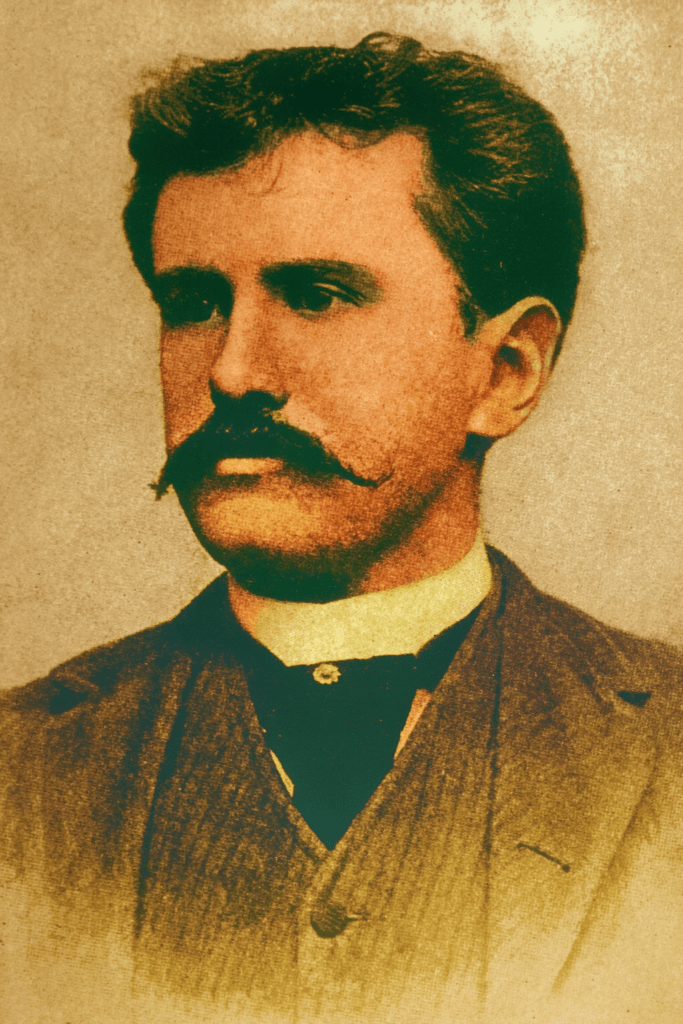
Early Life and Childhood
Birth: William Sydney Porter (later known as O. Henry) was born on September 11, 1862, in Greensboro, North Carolina, USA.
Parents: His father, Dr. Algernon Sidney Porter, was a physician. His mother, Mary Jane Virginia Swaim Porter, was an artist.
Mother’s Death: When William was just three years old, his mother died of tuberculosis. This left a lasting sadness in his childhood.
After her death, William was raised by his grandmother and his aunt Evelina Porter, who ran a small private school.
From a very young age, William loved reading. He read adventure stories, histories, and classics. These books fired his imagination and later influenced his short story writing.
Education
William studied at his aunt’s elementary school, where he developed a strong foundation in grammar, reading, and writing.
He showed a natural gift for storytelling and drawing but was not interested in formal studies for long.
At the age of 15, he left school and started working.
Early Jobs
After leaving school, William worked in his uncle’s drugstore.
He became a licensed pharmacist at the age of 19 (1881).
He later moved to Texas, where he did many jobs to support himself:
Sheep ranch worker: gave him knowledge of rural life and people.
Draftsman: used his drawing skills to make illustrations.
Bank clerk: worked at the First National Bank of Austin (this later led to trouble).
Journalist and Cartoonist: worked at a humorous weekly paper The Rolling Stone (not related to the modern magazine).
Personal Life
In 1887, William married Athol Estes, a 17-year-old girl from Austin. Despite her young age and weak health (she suffered from tuberculosis), they had a close bond.
They had one daughter, Margaret Worth Porter, born in 1889.
Athol’s poor health and early death in 1897 deeply affected William.
Troubles with the Law
While working as a bank clerk, irregularities were found in the accounts. William was accused of embezzlement (misuse of funds).
In 1896, when charges were brought against him, William fled to Honduras to avoid trial.
But when he heard that his wife Athol was dying, he returned to the United States in 1897.
After her death, William was arrested. In 1898, he was sentenced to five years in prison in Ohio.
He served three years (1898–1901) before being released for good behavior.
Birth of “O. Henry”
While in prison, William began writing short stories seriously to support his daughter.
He sent his stories to magazines under the pen name “O. Henry.”
The exact origin of the name is debated:
Some say he chose it from a prison guard’s name.
Others say he picked it from a newspaper list of notable names.
He wanted a short, memorable name that would hide his identity.
By the time he left prison, “O. Henry” had already become well known.
Writing Career and Fame
After his release in 1901, O. Henry moved to New York City.
In just 10 years, he wrote more than 300 short stories.
His stories appeared regularly in magazines like The New York World, bringing him wide fame.
Style and Themes
Surprise Endings: Almost every story ends with an ironic or unexpected twist.
Humor and Wit: He used playful, humorous language that made even serious topics entertaining.
Sympathy for Ordinary People: Most of his stories are about shopkeepers, clerks, policemen, waitresses, and common people in New York.
Universal Appeal: His themes of love, sacrifice, greed, and fate touch readers everywhere.
Famous Stories
The Gift of the Magi – A poor couple sacrifices their most valued possessions to buy gifts for each other.
The Last Leaf – A sick girl believes she will die when the last leaf falls, but an old artist sacrifices his life to save her.
The Cop and the Anthem – A homeless man tries to get arrested for winter shelter but fails until it is too late.
The Ransom of Red Chief – Two kidnappers are tormented by a mischievous boy and end up paying the father to take him back.
Later Life
O. Henry’s fame grew, but his personal life was troubled.
He remarried briefly in 1907, but the marriage was unsuccessful.
He struggled with alcoholism, which damaged his health and career.
His financial condition was unstable despite his popularity because he spent money carelessly.
Death
O. Henry’s health collapsed due to heavy drinking and illness.
He suffered from cirrhosis of the liver, diabetes, and heart disease.
He died on June 5, 1910, in New York City, at the age of 47.
He was buried in Asheville, North Carolina.
Legacy
O. Henry is remembered as one of America’s greatest short story writers.
His stories are famous for their ironic twists, humor, and portrayal of everyday life.
In 1919, the O. Henry Award was established to honor outstanding short stories. It is still one of the most prestigious prizes for short fiction in the United States.
His works continue to be read worldwide in schools, colleges, and anthologies.
Themes
Irony
Irony is the most striking feature of O. Henry’s stories. He builds up situations that lead the reader to expect one outcome, but at the last moment, the opposite happens. This technique makes his stories memorable and surprising. In The Ransom of Red Chief, Sam and Bill expect that Ebenezer Dorset will pay them a handsome ransom for his son. Instead, they themselves are forced to pay him two hundred and fifty dollars to take the mischievous boy back. This reversal of roles creates laughter and highlights the foolishness of the criminals. The irony gives the story its unique flavor and shows how life often mocks human plans.
Humor
Humor runs throughout O. Henry’s writing and especially in this story. His humor is not cruel, but rather playful and exaggerated, turning painful situations into comic ones. In The Ransom of Red Chief, the boy’s actions—riding Bill like a horse for ninety miles, throwing rocks at him, or trying to scalp him—are described in such a way that the reader laughs even though Bill is suffering. The narrator’s witty remarks and sarcastic tone further add to the humor. What might have been a dark tale of crime becomes a lively comedy because of O. Henry’s humorous presentation.
Greed
Another theme in O. Henry’s works is greed, which often leads to downfall. The criminals in this story kidnap Johnny Dorset only to get money quickly for their land scheme. However, instead of becoming rich, they lose money, peace of mind, and self-respect. Their greed is punished not by the law but by the very child they intended to exploit. The message is clear—dishonest gain brings only loss. Through this theme, O. Henry ridicules the weakness of human nature and shows how foolish greed can destroy clever plans.
Ordinary Life
O. Henry rarely writes about kings or great men. His stories are filled with ordinary people—clerks, policemen, waitresses, crooks, and poor families—who face everyday struggles. In The Gift of the Magi, he presents a poor couple sacrificing for love. In The Ransom of Red Chief, he presents two foolish, small-time criminals who fail in their scheme. The father, Ebenezer Dorset, is not a hero but a clever, miserly townsman who outsmarts the kidnappers. By focusing on such simple people, O. Henry brings dignity to ordinary life and makes his stories relatable for all readers.
Fate
O. Henry also emphasizes the unpredictability of fate. His characters plan carefully, but chance and destiny often overturn their expectations. In The Ransom of Red Chief, Sam and Bill design a neat kidnapping plan, confident of success. Yet fate plays a trick—they happen to choose the worst possible boy, who turns their crime into a nightmare. Similarly, in The Last Leaf, the sick girl who is expected to die lives, while the old artist unexpectedly dies. Fate, in O. Henry’s stories, is playful and ironic, often punishing human greed and pride.
Style
Conversational Tone
One of the most appealing features of O. Henry’s style is his conversational tone. He narrates stories as if he is talking directly to the reader in a friendly and humorous way. In The Ransom of Red Chief, the narrator Sam tells the whole adventure in a casual, storytelling voice. Phrases like “But wait till I tell you” make the reader feel like a listener enjoying an amusing anecdote from a friend. This easy, informal tone makes his stories accessible and engaging.
Humor and Satire
O. Henry’s humor is both gentle and biting. In this story, humor comes from exaggeration, witty remarks, and the ridiculous suffering of Bill at the hands of Red Chief. For example, Bill’s helplessness when he is made to play a horse or nearly scalped is described so comically that the reader laughs at his misery. At the same time, there is satire on greed, foolishness, and the idea of easy money. O. Henry laughs at his characters but also allows readers to laugh at human nature itself.
Use of Irony
O. Henry is celebrated for his use of irony, especially situational irony. In The Ransom of Red Chief, the twist ending is a classic example: the kidnappers, instead of receiving ransom, end up paying ransom themselves. The irony does not feel forced but grows naturally out of the story. This style of ironic reversal is O. Henry’s signature, and it leaves the reader both surprised and amused.
Colloquial Language
The language of the story is full of slang, informal expressions, and local color. Words like “chawbacons” for simple villagers or “forty-pound chunk of freckled wildcat” for the boy show O. Henry’s fondness for vivid, colloquial phrases. This style brings realism and humor to his writing. The reader can almost hear the American Southern speech in the dialogues and descriptions.
Characterization through Action
Instead of long descriptions, O. Henry develops his characters through what they say and do. Bill’s personality is revealed through his constant suffering and complaints, Sam’s through his witty narration, and Red Chief’s through his endless mischief. Even Ebenezer Dorset, who appears only at the end, is characterized by his clever letter. This economical style of characterization keeps the story fast-paced and lively.
Brevity and Compression
Though O. Henry’s stories are short, they are packed with action, humor, and meaning. He wastes no words on unnecessary detail. In a few pages, The Ransom of Red Chief gives us a full picture of small-time crooks, a troublesome child, and a sharp-witted father, all tied together with a neat and surprising ending. His style shows how much can be achieved with economy of language.
Conclusion
The style of O. Henry in The Ransom of Red Chief is marked by a conversational tone, humor, irony, colloquial language, lively characterization, and brevity. These features make the story both entertaining and memorable. His style is simple yet powerful, humorous yet meaningful, and it is this unique combination that has secured his place as one of the greatest short story writers in English literature.
Symbolism
Red Chief as Wild Energy
The boy, Johnny Dorset, who calls himself Red Chief, symbolizes the wild, uncontrollable energy of childhood. His red hair, freckles, and fierce imagination represent nature in its most untamed form. Instead of being a helpless victim, he becomes a force of chaos. He symbolizes how innocence, when combined with boundless energy, can overpower adult cunning.
The Kidnappers as Human Folly
Sam and Bill symbolize human greed and foolishness. They plan a clever crime, hoping for quick profit, but their greed blinds them to reality. By choosing Red Chief as their victim, they unknowingly invite disaster. Their humiliation and eventual loss of money symbolize how dishonesty and overconfidence always collapse under their own weight.
The Cave as Illusion of Control
The cave in the mountain, where the kidnappers hide with Red Chief, symbolizes their false sense of control. They believe it is a safe, secret hideout. In reality, it becomes a prison for them, where the boy torments them endlessly. The cave, instead of protecting the kidnappers, becomes a place of their suffering, symbolizing how human plans often trap the planners themselves.
Ebenezer Dorset as Practical Authority
Ebenezer Dorset, Johnny’s father, symbolizes practical wisdom and authority. While the kidnappers believe they hold power, Dorset is the one who truly controls the situation. His letter demanding payment for taking his son back symbolizes the triumph of calm intelligence over reckless greed. He represents society’s common-sense response to criminal folly.
The Ransom as Reversal of Power
In most kidnapping stories, ransom symbolizes the victim’s helplessness and the criminals’ power. O. Henry turns this symbol upside down. Here, ransom becomes a symbol of the kidnappers’ weakness. Instead of gaining money, they must pay money to escape their victim. This reversal of ransom symbolizes the theme of irony that runs through O. Henry’s work.
Very Short Answer Questions
Who is the author of The Ransom of Red Chief?
O. Henry (William Sydney Porter).
In which year was the story first published?
1907.
Where is the story set?
In a small town called Summit, Alabama.
Who are the two kidnappers?
Sam and Bill Driscoll.
Why do the kidnappers need money?
To fund a land fraud scheme in Illinois.
What is the boy’s real name?
Johnny Dorset.
What name does the boy give himself?
Red Chief, the terror of the plains.
How old is Johnny Dorset?
About ten years old.
What does the boy throw at Bill when they first meet?
A piece of brick.
Where do the kidnappers hide with the boy?
In a cave in the mountain.
What names does Red Chief give the kidnappers?
Snake-eye, the Spy (Sam) and Old Hank, the Trapper (Bill).
What punishment does Red Chief plan for Bill?
To scalp him at sunrise.
How does Red Chief torment Bill at night?
By war cries, games, and keeping him awake.
What amount do the kidnappers demand as ransom?
1,500 dollars.
How does Ebenezer Dorset respond to the ransom demand?
He demands the kidnappers pay him $250 to take his son back.
What does Bill say when he cannot bear the boy anymore?
That one more night with him will send him to Bedlam (a madhouse).
How do the kidnappers convince Johnny to go home?
By telling him his father bought him a new rifle and moccasins.
How does Johnny react when they try to leave him at home?
He clings tightly to Bill’s leg and cries.
What time do Sam and Bill return Johnny to his father?
At midnight.
What is the irony at the end of the story?
Instead of receiving ransom, the kidnappers pay ransom themselves.
Short Answer Questions
Who are Sam and Bill, and why do they plan a kidnapping?
Sam and Bill are two small-time criminals. They have $600 but need $2,000 more to carry out a land fraud scheme in Illinois. Believing that parental love is strong in small towns, they decide to kidnap the son of a rich man, Ebenezer Dorset. They expect Dorset to pay ransom quickly. However, their plan turns into a nightmare when the boy enjoys being kidnapped.
Describe Johnny Dorset, also known as Red Chief.
Johnny Dorset is a ten-year-old boy with red hair and freckles. Instead of being scared of his kidnappers, he enjoys the adventure and calls himself “Red Chief, the terror of the plains.” He is mischievous, energetic, and fearless. He plays wild games, torments Bill by riding him like a horse, and even tries to scalp him. His uncontrollable energy makes the kidnappers desperate to return him.
How does Red Chief treat Bill during the captivity?
Red Chief makes Bill the main victim of his games. He plans to scalp him, stuffs a hot potato down his back, rides him like a horse for “ninety miles,” and throws stones at him. Bill suffers scratches, bruises, and mental torture. He becomes terrified of the boy and finally begs Sam to return him home at any cost, even by paying money.
Why is the setting of Summit important in the story?
Summit is described as a quiet, sleepy southern town in Alabama. O. Henry humorously shows that the town is too dull to notice the kidnapping immediately. Its sleepy, rural character contrasts with the kidnappers’ expectations of excitement and pursuit. This setting adds to the irony, as the criminals fear discovery, but no one is actively searching for the boy.
How does O. Henry create humor in the story?
Humor arises from exaggeration, witty narration, and the comic suffering of the kidnappers. The boy’s wild imagination and mischief—such as pretending to scalp Bill or asking endless silly questions—create hilarious scenes. Sam’s sarcastic comments add to the fun. The greatest humor lies in the reversal at the end, when the kidnappers pay ransom instead of receiving it.
What role does Ebenezer Dorset play in the story?
Ebenezer Dorset, Johnny’s father, is a clever and practical man. Instead of panicking over his missing son, he calmly writes a letter to the kidnappers, demanding that they pay him $250 to take the boy back. This shows his awareness of Johnny’s troublesome nature. Dorset’s letter turns the entire situation upside down and provides the final ironic twist.
Explain the irony in the ending of the story.
The kidnappers expect to gain $1,500 from Dorset. Instead, the father demands $250 to accept his son back. Broken and exhausted, Bill and Sam agree, pay the money, and run away. The irony lies in the complete reversal of roles: the kidnappers become victims, while the supposed victim’s father emerges victorious. This twist ending is O. Henry’s trademark.
What themes are explored in the story?
The story explores themes of irony, greed, humor, ordinary life, and fate. Greed drives the kidnappers to commit the crime, but irony punishes them. Humor fills the narrative as Red Chief torments his captors. The story also highlights the unpredictability of life, showing how even the best-laid plans collapse. By focusing on simple people and everyday folly, O. Henry makes the story universally appealing.
How does O. Henry’s style make the story effective?
O. Henry’s style is conversational, humorous, and full of irony. He uses colloquial language and witty expressions, such as calling the boy a “forty-pound chunk of freckled wildcat.” His narration is fast-paced and filled with comic exaggeration. The story is short but tightly structured, leading smoothly to its twist ending. This simple yet powerful style makes the story both entertaining and memorable.
What is the moral of The Ransom of Red Chief?
The story teaches that greed and dishonesty often backfire. Sam and Bill try to get rich quickly by kidnapping a child but instead suffer misery and financial loss. It also shows that life is unpredictable and ironic, with outcomes often opposite to expectations. Through humor, O. Henry reminds readers that crime does not pay and human folly is often punished in unexpected ways.
Long answer questions
How does O. Henry create humor in The Ransom of Red Chief?
O. Henry’s humor in The Ransom of Red Chief comes from exaggeration, comic situations, and witty narration. The very idea of a kidnapping turning into torture for the kidnappers is humorous in itself. Instead of a frightened child, the kidnappers get a fearless, mischievous boy who enjoys the whole experience. The mismatch between expectation and reality forms the basis of comedy in the story.
The boy’s actions are exaggerated to create laughter. He threatens to scalp Bill, rides him like a horse, stuffs hot potatoes down his back, and knocks him out with stones. Bill’s helpless suffering is presented in a comic way. He screams like a woman at dawn, looks broken and defeated, and finally begs Sam to return the boy at any cost. His misery, though real for him, is funny for the reader.
Sam’s narration adds to the humor. He calls the boy a “forty-pound chunk of freckled wildcat” and describes events in a witty, conversational tone. His sarcasm and exaggeration make the scenes more entertaining. Through Sam’s voice, even Bill’s torment becomes comic.
The climax provides the greatest humor. Instead of the father begging for his son, he calmly asks the criminals to pay him to take Johnny back. This twist ending turns the whole crime story into a farce. The final image of the kidnappers running away after paying money completes the comic reversal.
Thus, O. Henry creates humor by combining exaggerated actions, witty narration, and ironic reversal. The story makes readers laugh at human folly while keeping them entertained with unexpected events.
Discuss the characters of Sam and Bill in detail.
Sam and Bill are the two criminals whose personalities are revealed through their actions and responses to Red Chief. They plan the kidnapping together, but their characters are very different. Sam is the narrator and thinker, while Bill is the comic victim. Together, they represent human greed and foolishness.
Sam, the narrator, is clever, observant, and calm under pressure. He conceives the idea of the kidnapping, chooses Dorset’s son as the target, and writes the ransom letter. His narration is witty, full of sarcasm, and conversational. Through his words, the reader enjoys the comic side of the situation. Though greedy, Sam is more patient than Bill and tries to control the boy with threats and persuasion. He is practical enough to accept Dorset’s counter-offer when he realizes the hopelessness of their situation.
Bill, on the other hand, is the main sufferer of the story. From the moment the boy throws a brick at him, Bill becomes the victim of Red Chief’s mischief. He is scratched, bruised, ridden like a horse, stuffed with hot potatoes, and nearly scalped. He screams, begs, and finally breaks down completely. Bill’s suffering is exaggerated to comic effect, but it also shows how crime can collapse under unexpected difficulties.
While Sam represents wit and control, Bill represents helplessness and defeat. Their contrasting characters create balance in the story—Sam makes the narration humorous, while Bill provides the comic victim. Together, they show how greed blinds men and how fate punishes folly in unexpected ways.
Explain the irony in The Ransom of Red Chief. Why is it important?
Irony is central to O. Henry’s story. Normally, in a kidnapping, the criminals are in control, the victim is helpless, and the parents pay ransom to save their child. In this story, however, everything is reversed. The boy is not helpless but powerful. The kidnappers are not in control but tortured victims. The father does not pay ransom but demands ransom. This reversal of roles creates the story’s humor and message.
The boy, instead of being frightened, enjoys himself. He plays Indian games, torments the kidnappers, and refuses to return home. His dominance over the criminals is ironic—he, the supposed victim, becomes the master of the situation. Bill, the strong adult, becomes his unwilling “horse.”
Ebenezer Dorset’s response adds another layer of irony. Instead of panic, he calmly asks the criminals to pay him $250. This shows that he knows his son’s troublesome nature and that the kidnappers are suffering more than he ever would. The irony is sharp and unexpected but perfectly logical.
The importance of irony lies in its power to entertain and instruct. The reader laughs at the reversal but also understands the lesson: crime does not pay, and human plans often fail in surprising ways. The ironic ending makes the story unforgettable.
Thus, irony in The Ransom of Red Chief is not just a stylistic device but the very heart of the story. It creates humor, conveys the theme, and delivers the twist ending that O. Henry is famous for.
Critical Analysis
Introduction
O. Henry, the pen name of William Sydney Porter, is one of America’s most beloved short story writers. Known for his wit, humor, and surprise endings, he captured the everyday life of ordinary people with extraordinary charm. The Ransom of Red Chief (first published in 1907 in The Saturday Evening Post) is one of his most popular and frequently anthologized stories. It is a comic tale of two kidnappers who abduct a boy for ransom, only to find themselves the true victims of their own crime. The story blends humor, irony, and satire to expose human greed and folly.
Central Idea
The central idea of The Ransom of Red Chief lies in its ironic reversal of roles. Instead of being a helpless victim, the kidnapped boy dominates his captors with mischievous energy. The father, far from panicking, cleverly demands money from the kidnappers to take his troublesome child back. O. Henry uses this reversal to show that greed and dishonesty often backfire, while life’s unpredictability mocks human plans.
Plot Summary
The story follows two small-time criminals, Sam and Bill Driscoll, who need $2,000 for a fraudulent land deal. They kidnap Johnny Dorset, the young son of Ebenezer Dorset, a wealthy and strict man in Summit, Alabama. Expecting a frightened child, they are shocked when Johnny, instead of crying, enjoys the adventure. He calls himself “Red Chief, the terror of the plains” and forces the kidnappers into his wild Indian games.
Bill suffers most from Red Chief’s antics: he is threatened with scalping, ridden like a horse, stuffed with hot potatoes, and even knocked unconscious with a stone. Exhausted and bruised, Bill begs Sam to return the boy. The men send a ransom demand of $1,500 to Ebenezer Dorset, but the father’s reply turns the situation upside down. Dorset calmly states that he will take his son back only if the kidnappers pay him $250.
Realizing they cannot endure another night with Red Chief, the criminals accept the offer. At midnight, they return Johnny, pay the money, and flee in relief. The irony is complete—the supposed criminals lose money instead of gaining it, while the “victim” enjoys himself thoroughly.
Themes
Irony
The story’s greatest strength is irony. The kidnappers plan to profit but suffer loss. The child, expected to be weak, proves dominant. The father, expected to beg, outsmarts the criminals.
Humor
O. Henry transforms a serious crime into comedy. Red Chief’s mischief—scalping attempts, endless chatter, riding Bill like a horse—creates comic relief. Sam’s witty narration makes Bill’s misery entertaining.
Greed and Folly
Sam and Bill’s greed blinds them. Their foolish choice of Johnny Dorset leads to disaster. The story shows how dishonest schemes often collapse.
Ordinary Life
O. Henry avoids heroes and kings. He writes about small-town crooks, a mischievous boy, and a shrewd father. His focus on everyday life makes the story realistic and relatable.
Fate and Chance
Life in O. Henry’s fiction rarely follows plans. Fate plays tricks, overturning expectations. Here, fate ensures that the criminals pick the worst possible child for kidnapping.
Characters
Sam: The narrator and planner. He is clever, calm, and witty, describing the events in a humorous way.
Bill Driscoll: The main victim of Red Chief’s mischief. He suffers physically and mentally, symbolizing the collapse of greed.
Johnny Dorset (Red Chief): The mischievous, fearless boy who becomes the master of his captors instead of their victim.
Ebenezer Dorset: Johnny’s father, shrewd and practical, who cleverly demands money from the kidnappers instead of paying ransom.
Structure and Style
The story is short, fast-paced, and neatly constructed. O. Henry’s conversational tone makes the reader feel like a listener to an amusing anecdote. His use of colloquial language (“forty-pound chunk of freckled wildcat”) adds humor and realism. Exaggeration highlights Bill’s misery, while the twist ending provides the trademark O. Henry surprise. The structure builds steadily toward the ironic climax, keeping readers engaged throughout.
Historical Context
Published in 1907, the story reflects early 20th-century America, when magazines were a major source of entertainment. Readers were fascinated by crime tales, but O. Henry playfully subverted the genre. The small-town setting of Summit reflects the slow, rural character of the South. The idea of an uncontrollable child and a practical, miserly father satirizes the sentimental ideals of family life common in that era. The story’s humor and twist suited the tastes of a growing magazine audience hungry for wit and surprise.
Critical Commentary
The Ransom of Red Chief is a brilliant combination of humor, irony, and social satire. O. Henry takes the serious theme of kidnapping and transforms it into a farce where criminals are humiliated. The story mocks human greed, shows the unpredictability of life, and challenges conventional ideas of family affection. Johnny Dorset’s wild behavior undermines the idea of children as innocent angels, while Ebenezer Dorset’s counter-offer ridicules parental sentimentality. The story is entertaining on the surface but also carries a sharp critique of human weakness.
Conclusion
O. Henry’s The Ransom of Red Chief remains one of the finest examples of comic short fiction. With its ironic reversal, vivid characters, lively style, and humorous exaggeration, it continues to delight readers more than a century after its publication. Its central lesson—that greed and dishonesty often end in disaster—remains relevant today. By turning crime into comedy and misfortune into laughter, O. Henry shows why he is still celebrated as the master of the short story.