
Stopping by Woods on a Snowy Evening
(Robert Frost)
Whose woods these are I think I know.
His house is in the village though;
He will not see me stopping here
To watch his woods fill up with snow.
My little horse must think it queer
To stop without a farmhouse near
Between the woods and frozen lake
The darkest evening of the year.
He gives his harness bells a shake
To ask if there is some mistake.
The only other sound’s the sweep
Of easy wind and downy flake.
The woods are lovely, dark and deep,
But I have promises to keep,
And miles to go before I sleep,
And miles to go before I sleep.
Structure
Form
Structure: The poem is composed of four quatrains (four-line stanzas), totaling 16 lines.
Type: It is a lyric poem, characterized by its musical quality and expression of personal reflection, specifically the speaker’s introspective pause in a snowy woods.
Stanza Form: The quatrains follow a rubaiyat stanza pattern, a traditional form adapted by Frost, where the stanzas are interlinked through rhyme, creating a cohesive flow.
Effect: The compact, symmetrical structure mirrors the poem’s concise narrative—a brief moment of pause—and enhances its hypnotic, reflective tone.
Meter
Meter: The poem is written in iambic tetrameter, meaning each line has four iambs (an iamb is an unstressed syllable followed by a stressed syllable: da-DUM).
Example: “Whose WOODS | these ARE | I THINK | I KNOW” (Stanza 1, Line 1).
Consistency: The meter is consistent across all lines, creating a steady, rhythmic pulse that feels like a heartbeat or the gentle fall of snow.
Effect: The iambic tetrameter gives the poem a calm, lulling quality, reinforcing the serene mood of the snowy setting and the speaker’s contemplative state, while maintaining a sense of forward movement toward the resolution.
Rhyme Scheme
Pattern: The poem uses an interlocking rubaiyat rhyme scheme, where the stanzas are linked through rhyme:
Stanza 1: AABA (know, though, here, snow)
Stanza 2: BBCB (queer, near, lake, year)
Stanza 3: CCDC (shake, mistake, sweep, flake)
Stanza 4: DDDD (deep, keep, sleep, sleep)
Mechanism: The third line of each stanza (except the last) introduces a new rhyme that becomes the primary rhyme of the next stanza, creating a chained effect. The final stanza’s uniform rhyme (DDDD) provides closure.
Effect: The interlocking rhymes mimic the speaker’s lingering thoughts, drawing the reader through the poem like the gradual accumulation of snow.The final stanza’s repetition emphasizes the speaker’s resolve, giving a sense of finality.
Summary
“Stopping by Woods on a Snowy Evening” by Robert Frost was first published in 1923 in his collection New Hampshire. The collection was released in the United States by Henry Holt and Company. The poem quickly became one of Frost’s most famous works, celebrated for its lyrical quality and evocative imagery. New Hampshire won the Pulitzer Prize for Poetry in 1924.
The speaker in the poem is traveling on horseback during a cold, dark evening in winter. They stop by a secluded spot in the woods, which belong to someone who lives in the village. The speaker enjoys the quiet beauty of the snow-covered woods and the peacefulness of the moment. The only sounds they hear are the gentle wind and the falling snowflakes.
The horse seems confused about stopping in such an isolated place, far from a farmhouse or any human settlement. It shakes its harness bells, as if asking if there’s a mistake. Despite this, the speaker continues to stay for a while, appreciating the serene beauty of the scene.
However, the speaker remembers that they have “promises to keep” and that they have a long journey ahead. The repetition of “And miles to go before I sleep” reminds us that the speaker still has obligations and can’t afford to linger in the woods, even though they are drawn to its peacefulness.
In essence, the poem captures the delicate balance between enjoying the beauty of life and the need to fulfill one’s duties and responsibilities. It reflects on the tension between wanting to pause and rest and the reality of having commitments to honor.
Stopping by Woods on a Snowy Evening Analysis
Whose woods these are I think I know.
His house is in the village though;
He will not see me stopping here
To watch his woods fill up with snow.
Reference to Context:
This is the opening stanza of the poem “Stopping by Woods on a Snowy Evening” by Robert Frost. The speaker is reflecting on the woods they are stopping by, thinking about the owner of the woods, who lives in the nearby village. The speaker acknowledges that the owner will not notice them stopping to admire the snow-filled woods.
Explanation:
“Whose woods these are I think I know.”
The speaker is aware of who owns the woods but doesn’t explicitly name the person. The “woods” seem to belong to someone the speaker knows, though the speaker isn’t certain if they should be there.
“His house is in the village though;”
The owner of the woods lives in the village, suggesting that the woods are secluded and away from human habitation.
“He will not see me stopping here”
The speaker implies that the owner won’t be around to witness their brief stop in the woods. The speaker can enjoy the peace of the moment without concern for being observed.
“To watch his woods fill up with snow.”
The speaker is enjoying the view of the woods filling up with snow, a peaceful and tranquil scene. The snow symbolizes purity and calmness, but also isolation and quietness.
Poetic devices:
Alliteration:
“Whose woods”, “watch his woods” – Repetition of the ‘w’ sound.
“His house” – Repetition of the ‘h’ sound.
Imagery:
The “woods fill up with snow” creates a vivid picture of a quiet, snowy evening, which engages the reader’s senses of sight and sound.
Assonance:
“He will not see me stopping here” – Repetition of the long ‘e’ sound in “see,” “me,”.
Enjambment:
The lines flow smoothly into one another without a pause, creating a seamless connection between thoughts. The enjambment mirrors the gentle flow of the snow falling and accumulating in the woods.
My little horse must think it queer
To stop without a farmhouse near
Between the woods and frozen lake
The darkest evening of the year.
Reference to Context:
In this stanza, the speaker imagines what their horse might be thinking as they stop in an isolated, quiet place. The horse, not used to stopping in such a lonely spot with no farmhouse or shelter nearby, seems confused. The setting is further described as being in the “darkest evening of the year,” adding a sense of mystery and quiet isolation.
Explanation:
“My little horse must think it queer”
The speaker anthropomorphizes the horse by suggesting that it finds the situation strange (“queer”) because it is not typical to stop in such a place, far from any familiar human settlement.
“To stop without a farmhouse near”
The horse is used to stopping near a farmhouse, where there are signs of human activity and warmth. The lack of a farmhouse here makes the stop unusual and puzzling for the horse.
“Between the woods and frozen lake”
The speaker places the scene in a secluded, stark landscape: the woods and a frozen lake. The location feels isolated and cold, emphasizing the solitude of the moment.
“The darkest evening of the year.”
The time of year is the darkest evening, likely around winter solstice, when daylight hours are shortest. This creates a feeling of stillness and mystery, adding to the contemplative mood of the poem.
Poetic Device:
Personification:
The horse is imagined to have human-like thoughts, specifically that it “must think it queer,” implying the horse’s confusion or curiosity about the situation.
Imagery:
The phrase “Between the woods and frozen lake” creates a vivid image of a desolate, cold landscape. It appeals to the sense of sight and the coldness of the surroundings.
“The darkest evening of the year” further enhances the imagery of the long, cold night, emphasizing the solitude and quiet of the moment.
Enjambment:
The sentence continues across the lines without a pause, allowing the reader to feel the flow of the thought, almost like the speaker is contemplating aloud, emphasizing the feeling of being lost in the moment.
He gives his harness bells a shake
To ask if there is some mistake.
The only other sound’s the sweep
Of easy wind and downy flake.
Reference to Context:
In this stanza, the speaker describes the horse’s reaction to the stop in the woods. The horse shakes its harness bells, possibly to indicate confusion or curiosity about the unusual stop. The quiet and peaceful surroundings are contrasted with the subtle sounds of nature, highlighting the stillness of the evening.
Explanation:
“He gives his harness bells a shake”
The horse shakes its harness bells, which makes a sound. This action suggests that the horse is uncertain about the stop, perhaps wondering if something is wrong or if they should be moving on.
“To ask if there is some mistake.”
The horse’s shake of the bells is anthropomorphized, implying that it is trying to communicate or ask a question, as if it’s unsure why they are stopping in such a remote and unfamiliar place.
“The only other sound’s the sweep”
The speaker notes that aside from the horse’s bells, the only sound is the “sweep” of the wind, which conveys the stillness and quiet of the moment.
“Of easy wind and downy flake.”
The “easy wind” and “downy flake” (referring to soft, light snowflakes) add to the peaceful, serene atmosphere. The snowflakes gently falling emphasize the calmness of the scene.
Poetic Device:
Personification:
The horse is given human-like qualities by suggesting it is asking if there is a “mistake,” which emphasizes the horse’s confusion or curiosity.
Imagery:
The phrase “the sweep of easy wind and downy flake” paints a vivid picture of a peaceful winter evening, where the wind and snow create a soft, almost magical atmosphere.
Alliteration:
“Sweep of easy” – The repetition of the ‘e’ sound provides a smooth and rhythmic flow to the lines, contributing to the calm tone of the poem.
Enjambment:
The lines flow into each other without pause, giving the poem a natural, conversational rhythm that mirrors the smooth, continuous fall of the snowflakes.
The woods are lovely, dark and deep,
But I have promises to keep,
And miles to go before I sleep,
And miles to go before I sleep.
Reference to Context:
This is the final stanza of “Stopping by Woods on a Snowy Evening”, where the speaker reflects on the beauty and allure of the woods but ultimately recalls their responsibilities and long journey ahead. The repetition of the line “And miles to go before I sleep” emphasizes the speaker’s obligations, which prevent them from lingering in the peaceful woods.
Detailed Explanation:
“The woods are lovely, dark and deep,”
The speaker acknowledges the beauty of the woods, describing them as “lovely” and “dark and deep.” The “dark and deep” qualities suggest that the woods are mysterious, tranquil, and almost inviting. The woods symbolize both peace and the temptation to pause and rest.
“But I have promises to keep,”
Despite the allure of the woods, the speaker remembers that they have commitments or obligations (“promises”) that they must fulfill. This line emphasizes the theme of responsibility, which contrasts with the peace of the woods.
“And miles to go before I sleep,”
The speaker is reminded that they have a long way to travel before they can rest. “Miles to go” symbolizes the speaker’s journey in life, with goals or tasks still to be completed. The use of the word “sleep” could be a metaphor for death, suggesting that the speaker still has much to do in life before they can rest permanently.
“And miles to go before I sleep.”
The repetition of this line reinforces the speaker’s sense of duty and the long road ahead. It emphasizes that, while the woods are beautiful and tempting, the speaker cannot afford to stop yet. The repetition adds a rhythmic, almost meditative quality to the poem, suggesting a sense of both resolution and inevitability.
Poetic Device:
Repetition:
The repetition of “And miles to go before I sleep” at the end of the poem reinforces the theme of responsibility and the long journey ahead. It also emphasizes the conflict between the desire to rest and the need to fulfill obligations.
Imagery:
The description of the woods as “lovely, dark and deep” creates a vivid image of the scene. The woods appear as a place of peace, yet also mysterious and vast, inviting the speaker to linger.
Metaphor:
The phrase “miles to go before I sleep” can be interpreted as a metaphor for life itself. The “miles” represent the challenges, duties, and experiences the speaker must face before they can rest, which could also symbolize the end of life.
Contrast:
The stanza contrasts the serene beauty of the woods with the speaker’s internal obligation to keep moving forward. The woods represent temptation, while the promises and the miles to travel symbolize duty and responsibility.
Alliteration:
“The woods are lovely, dark and deep” – The repetition of the ‘d’ sound in “dark” and “deep” creates a pleasing flow and emphasizes the depth of the woods.
Symbolism:
The “woods” symbolize peace and contemplation, while “promises” and “miles to go” symbolize the speaker’s responsibilities and the journey of life.
Key Points
Author
Robert Frost (1874–1963): An American poet, one of the most celebrated of the 20th century, known for his vivid depictions of rural New England life and exploration of universal human experiences. Frost won four Pulitzer Prizes and is famous for poems like “The Road Not Taken” and “Mending Wall.” His work blends simple language with deep philosophical insights, often using nature as a backdrop. Stopping by Woods on a Snowy Evening, published in 1923 in his collection New Hampshire, reflects his signature style and themes of nature, duty, and introspection, inspired by his life in rural New England.
Form (Rhyme Scheme & Structure)
Structure: The poem consists of four stanzas, each with four lines (quatrains), totaling 16 lines. Each line is written in iambic tetrameter, meaning it has four iambs (unstressed syllable followed by a stressed syllable, e.g., “Whose WOODS | these ARE”), creating a steady, rhythmic flow that mimics a calm, reflective pace.
Rhyme Scheme: The poem follows an interlocking rubaiyat stanza pattern:
Stanza 1: AABA (know, though, here, snow)
Stanza 2: BBCB (queer, near, lake, year)
Stanza 3: CCDC (shake, mistake, sweep, flake)
Stanza 4: DDDD (deep, keep, sleep, sleep)
The third line of each stanza (except the last) introduces a new rhyme that becomes the main rhyme of the next stanza, creating a chained effect. The final stanza’s uniform rhyme emphasizes closure.
Effect: The consistent meter and linked rhymes give the poem a musical, almost hypnotic quality, mirroring the speaker’s trance-like fascination with the woods, while the final stanza’s repetition signals resolve.
Speaker
The speaker is an unnamed traveler, presumably male, who is riding a horse through a rural landscape. He is introspective, observant, and attuned to the beauty of nature. Although drawn to the peaceful scene of the snowy woods, he feels the weight of his responsibilities, symbolized by the “promises to keep.” The speaker’s inner conflict between the desire for rest and the need to fulfill obligations resonates universally.
Setting
The poem is set in a rural, snowy landscape in New England, likely on the winter solstice (“the darkest evening of the year”), suggesting a cold, quiet night around December 21. The specific location is between a woods and a frozen lake, far from any farmhouse or village, emphasizing isolation. The woods are described as filling with snow, creating a serene, almost magical atmosphere. The setting is both literal (a real place Frost might have known) and symbolic, representing a peaceful escape or temptation. The time (evening) and darkness add a moody, introspective feel.
Theme
Nature vs. Duty: The woods’ beauty tempts the speaker to linger, but obligations pull them back, highlighting the conflict between personal desires and responsibilities.
Isolation and Introspection: The solitary setting fosters a moment of self-reflection, possibly about life’s purpose or challenges.
Temptation and Resolve: The woods represent an escape, but the speaker’s choice to leave shows resilience in facing life’s demands.
Mortality: The repeated “sleep” may symbolize death, with the woods as a metaphor for eternal rest, contrasted with life’s ongoing journey.
Simplicity and Universality: The poem’s simple narrative carries profound questions about human existence, making it accessible yet deeply meaningful.
Plot
Stanza 1: The speaker stops their horse to watch snow fall in woods owned by someone who lives in a distant village, enjoying a private moment of beauty.
Stanza 2: The horse finds the stop odd (“queer”) since there’s no farmhouse nearby, and the speaker notes the isolated setting between the woods and a frozen lake on the “darkest evening.”
Stanza 3: The horse shakes its harness bells, as if questioning the pause, while the only other sounds are the soft wind and falling snow, deepening the woods’ calm allure.
Stanza 4: The speaker acknowledges the woods’ beauty (“lovely, dark and deep”) but decides to leave due to “promises to keep” and a long journey ahead, repeating “miles to go before I sleep” to affirm their resolve.
Summary: The speaker pauses to admire a snowy woods, feels tempted to stay, but chooses to continue their journey due to responsibilities, capturing a fleeting moment of reflection.
Tone
The tone is reflective, serene, and tinged with melancholy. The speaker admires the beauty of the woods, but there is a sense of resignation in his acknowledgment that he must continue his journey. The final repetition of the line “And miles to go before I sleep” carries a note of weary determination, highlighting the balance between desire for peace and the need to honor commitments.
Style
Conversational Tone: The simple, direct language makes the poem feel personal and relatable.
Imagery: Vivid descriptions, such as “woods fill up with snow” and “downy flake,” create a clear sensory experience of the winter landscape.
Traditional yet Accessible: The use of structured rhyme and meter gives the poem a classic form, while the straightforward language keeps it accessible to a wide audience.
Symbolism: The woods, the snow, and the repetition of “sleep” all carry symbolic meanings, representing escape, peace, and the inevitability of death.
Musicality: The use of alliteration (e.g., “whose woods,” “lovely, dark and deep”) and assonance creates a lyrical, almost song-like rhythm.
Message
The central message of the poem is the tension between the beauty of nature and the responsibilities that pull us away from it. While the speaker is tempted to remain in the peaceful woods, he recognizes the importance of fulfilling his commitments. The poem suggests that life’s journey requires us to make choices, often sacrificing our desires for duties. The speaker’s decision to continue, despite the serene temptation of the woods, conveys the value of perseverance and duty, while subtly acknowledging the human longing for peace and reflection. The repetition of “sleep” at the end may also raise questions about life and death, suggesting that even in our busyness, moments of rest or final peace are inevitable.
Robert Frost
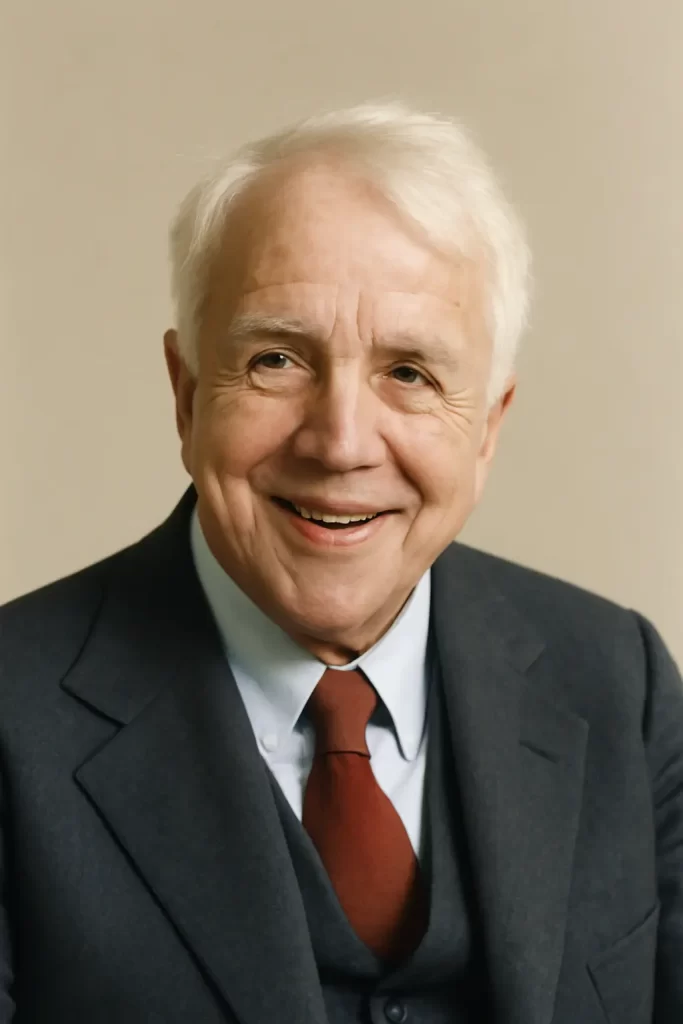
Robert Frost (1874–1963) was an American poet, widely regarded as one of the most influential literary figures of the 20th century. Known for his accessible yet profound poetry, Frost often explored themes of nature, human choice, isolation, and the complexities of rural life, using simple language and vivid imagery.
Early Life
Born: March 26, 1874, in San Francisco, California.
Family: His father, a journalist, died when Frost was 11. After this, his mother moved the family to Lawrence, Massachusetts.
Education: Attended Dartmouth College briefly and later Harvard University but did not complete a degree. Mostly self-educated through wide reading in literature and philosophy.
Early Struggles: Worked as a teacher, farmer, and cobbler while writing poetry. Faced rejection from publishers and financial difficulties.
Move to England and Breakthrough
In 1912, at age 38, Frost moved with his family to England to focus on writing, as American publishers were uninterested.
Published his first two poetry collections in England:
A Boy’s Will (1913): Showcased lyrical style and themes of youth and nature.
North of Boston (1914): Included narrative poems like “Mending Wall” and “The Death of the Hired Man,” gaining critical praise.
Became friends with poets such as Edward Thomas, who inspired The Road Not Taken.
Returned to the U.S. in 1915, where his reputation grew after his works were republished.
Major Works and Style
Notable Collections:
Mountain Interval (1916): Includes The Road Not Taken and Birches.
New Hampshire (1923): Features Stopping by Woods on a Snowy Evening, won a Pulitzer Prize.
Other collections: West-Running Brook (1928), A Further Range (1936), earning additional Pulitzers.
Style:
Used conversational language with traditional meters and rhyme.
Set poems in rural New England, using nature as a backdrop for exploring human emotions and choices.
Combined simple language with deep philosophical themes.
Famous Poems:
The Road Not Taken: About choice and individuality.
Stopping by Woods on a Snowy Evening: Reflection on temptation and duty.
Mending Wall: Explores boundaries and human relationships.
Fire and Ice: Examines destructive emotions.
Later Life and Achievements
Taught at colleges like Amherst and Middlebury, mentoring young writers.
Won four Pulitzer Prizes (1924, 1931, 1937, 1943), a rare accomplishment.
Became a beloved public figure, famously reading The Gift Outright at JFK’s 1961 inauguration.
Traveled internationally, including a visit to the Soviet Union in 1962.
Died January 29, 1963, in Boston, Massachusetts, aged 88.
Legacy
Influenced modern American poetry by blending traditional forms with accessible language and universal themes.
Received many honors, including the Congressional Gold Medal (1960) and being named Poet Laureate of Vermont.
Popularized phrases like “the road less traveled” and “good fences make good neighbors.”
Personal tragedies, including the loss of his wife and children, shaped the somber tone in some of his poems.
Connection to The Road Not Taken
Written in 1915 and published in Mountain Interval (1916), The Road Not Taken was inspired by Frost’s friendship with Edward Thomas.
The poem reflects themes of choice, individuality, and reflection, consistent with Frost’s exploration of human decisions in rural settings.
Word Meaning
| Tough Word | Meaning in English | Meaning in Hindi |
| Queer | Strange, odd, or unusual; in this context, the horse finds the stop odd. | अजीब |
| Frozen | Turned into ice or very cold; not moving due to being covered in ice. | जमा हुआ |
| Harness | A set of straps and fittings by which a horse is fastened to a cart or plow. | रास / हार्नेस |
| Sweep | A smooth, flowing movement, often of wind or something light; a soft sound. | झाड़ू लगाना / बहना |
| Downy | Soft, fluffy, or light, like the down feathers of a bird; describes the snow. | मुलायम |
| Flake | A small, thin piece of something, here referring to a snowflake. | टुकड़ा / बर्फ का टुकड़ा |
Stopping by Woods on a Snowy Evening Questions and Answers
Very Short Answer Questions
Who is the author of Stopping by Woods on a Snowy Evening?
Robert Frost.
In which year was the poem published?
1923.
What is the setting of the poem?
A snowy woods on a dark winter night.
What is the speaker doing in the poem?
Stopping to watch snow fall in the woods.
Who owns the woods in the poem?
A person living in a nearby village.
Why does the speaker stop in the woods?
To watch the woods fill up with snow.
What does the horse think of the stop?
It thinks it’s strange (queer).
Where is the speaker located in the second stanza?
Between the woods and a frozen lake.
What is the “darkest evening of the year”?
Likely the winter solstice.
What sound does the horse make in the third stanza?
It shakes its harness bells.
What are the only other sounds mentioned in the third stanza?
The sweep of wind and downy flake.
How does the speaker describe the woods in the final stanza?
Lovely, dark, and deep.
Why does the speaker decide to leave the woods?
They have promises to keep.
What does the speaker repeat in the final stanza?
“And miles to go before I sleep.”
What is the rhyme scheme of the first stanza?
AABA.
What is the meter of the poem?
Iambic tetrameter.
What is one major theme of the poem?
Duty versus temptation.
What might the woods symbolize in the poem?
Peace, escape, or death.
What is the tone of the poem?
Reflective and slightly melancholic.
What is the main message of the poem?
We must fulfill responsibilities despite temptations to pause.
Short Answer Questions
What is the significance of the setting in Stopping by Woods on a Snowy Evening?
The poem is set in a snowy, isolated woods on a dark winter night, likely the winter solstice, between a forest and a frozen lake. This remote, quiet setting creates a serene, almost magical atmosphere that tempts the speaker to pause. The cold and darkness add a moody, introspective feel, reflecting the speaker’s inner thoughts. The woods symbolize an escape from life’s demands, contrasting with the distant village’s busyness.
How does the speaker’s horse contribute to the poem’s narrative?
The horse, puzzled by the stop in a remote area, shakes its harness bells, acting as a practical reminder of reality. The speaker imagines it thinking the stop is “queer” or a “mistake,” adding a touch of humor and grounding the poem’s dreamy mood. The horse’s actions nudge the speaker toward their responsibilities, highlighting the tension between staying and moving on. It symbolizes the pull of duty against the woods’ allure.
What is the rhyme scheme of the poem, and how does it affect its flow?
The poem uses an interlocking AABA, BBCB, CCDC, DDDD rhyme scheme across its four stanzas. The third line of each stanza (except the last) introduces a new rhyme that carries into the next stanza, creating a chained, flowing effect. This structure mirrors the speaker’s lingering thoughts and the gradual pull back to reality. The final stanza’s uniform rhyme (DDDD) gives a sense of closure, emphasizing the speaker’s resolve.
How does Frost use imagery to enhance the poem’s mood?
Frost’s imagery, like “woods fill up with snow,” “frozen lake,” and “downy flake,” paints a vivid, serene picture of a quiet, snowy night. These images create a calming, almost hypnotic mood that draws the speaker (and reader) into the woods’ beauty. The contrast between the soft “sweep of easy wind” and the sharp “harness bells” adds tension, reflecting the speaker’s struggle. The vivid descriptions make the scene feel alive and emotionally rich.
What role does the repetition in the final stanza play in the poem?
The repeated line “And miles to go before I sleep” in the final stanza emphasizes the speaker’s commitment to their responsibilities over the woods’ temptation. It slows the poem’s pace, reflecting the speaker’s reluctance to leave and their weary resolve. The repetition adds emotional weight, suggesting the long journey ahead and possibly hinting at life’s burdens. It leaves a lasting impression of determination mixed with longing.
What does the phrase “lovely, dark and deep” suggest about the woods?
The phrase “lovely, dark and deep” describes the woods as beautiful, mysterious, and inviting, almost like a peaceful escape. “Lovely” highlights their appeal, while “dark” and “deep” suggest secrecy or something profound, possibly symbolizing rest or death. The description captures the woods’ allure, tempting the speaker to stay. It creates a sense of enchantment that contrasts with the speaker’s duties.
How does the poem reflect Robert Frost’s typical style?
Frost’s style in the poem is conversational, using simple words like “I think I know” to feel relatable, yet layered with deeper meaning. The vivid imagery of the snowy woods and traditional iambic tetrameter give it a classic, musical quality. The poem blends everyday scenes with big themes like duty and temptation, typical of Frost’s work. His New England setting reflects his love for rural life and nature.
What is the central conflict in Stopping by Woods on a Snowy Evening?
The central conflict is the speaker’s desire to linger in the beautiful, peaceful woods versus their need to fulfill responsibilities. The woods tempt the speaker to pause and escape life’s demands, but “promises to keep” and a long journey pull them back. The horse’s actions and the speaker’s final decision highlight this struggle. It’s a universal tension between personal longing and duty.
How might the word “sleep” in the final stanza be interpreted?
“Sleep” in “miles to go before I sleep” likely refers to physical rest after a long journey, fitting the speaker’s weary tone. However, it can also symbolize death, suggesting the woods as a tempting final rest. This dual meaning adds depth, hinting at life’s temporary pauses versus its ultimate end. The repetition emphasizes the speaker’s focus on continuing life’s journey for now.
What is the poem’s message about life and responsibility?
The poem suggests that life offers tempting moments of peace or escape, like the snowy woods, but responsibilities often require us to keep going. The speaker’s choice to leave the woods for “promises to keep” shows the importance of honoring commitments despite personal desires. It reflects the human struggle to balance rest and duty. The message encourages perseverance while valuing brief moments of reflection.
Themes
1. Nature vs. Duty
In the poem, the speaker is drawn to the peaceful beauty of the woods, especially with the snow filling them up. It’s a calm, inviting scene that makes the speaker want to stay and enjoy it. But the speaker also has “promises to keep” and “miles to go,” meaning they have responsibilities they cannot ignore. This creates a struggle between wanting to stay in the moment and having to fulfill obligations. It’s a theme that many of us can relate to, where sometimes we just want to take a break, but we know we have other things we must do.
2. Isolation and Introspection
The setting of the poem is far from the busy life of the village—it’s just the speaker alone with the woods and the frozen lake. This isolation, in such a quiet and calm place, gives the speaker a chance to think deeply about life. The speaker doesn’t directly say what they are thinking, but the peaceful moment allows them to reflect. Frost often uses lonely, quiet settings in his poems to show how being alone can give us space to think deeply. This quiet moment in the woods helps the speaker reflect on their own life, perhaps even questioning what is really important.
3. Temptation and Resolve
The woods, with their “lovely, dark and deep” nature, tempt the speaker to stay longer. They symbolize a peaceful escape from life’s responsibilities. But the horse’s “queer” reaction (it’s confused about stopping in the middle of nowhere) reminds the speaker that they can’t stay. The speaker eventually decides to leave and continue their journey. The temptation to stay in nature is strong, but the speaker shows self-control and resolves to keep moving forward. This decision is about prioritizing duty and responsibilities, which can be hard but necessary. It’s a reminder that even when things are tempting, sometimes we need to stay focused on what really matters.
4. Mortality
The repeated line, “And miles to go before I sleep,” carries a deeper meaning than just needing rest. The word “sleep” also hints at death. The speaker mentions they have “miles to go,” meaning their life is still full of things to do before they can rest for good. The “darkest evening” and the “deep” woods could represent death as well, which gives the poem a bittersweet tone. The speaker is moving forward in life, but death is always a part of that journey, even if it’s not spoken about directly. It makes us think about how precious life is and how we need to keep moving forward even when we’re tempted to stop and rest forever.
5. Simplicity and Universality
The poem tells a simple story: a traveler stops to watch the snow in the woods, but they have to keep going because of their responsibilities. Despite being simple, the poem touches on big ideas about life, choices, and duty. Frost uses clear, everyday language that makes it easy to understand, but the themes are still deep. The images of the snowy woods and the wind help create a strong sense of place, and they make us feel like we’re right there with the speaker.
The themes of temptation, responsibility, and reflection are universal—they apply to everyone, everywhere. Frost has a way of turning an ordinary moment into something that makes us think deeply about our own lives, which is why the poem resonates with so many people.
Critical Analysis
Introduction
Stopping by Woods on a Snowy Evening, published in 1923 in Robert Frost’s collection New Hampshire, is one of the most iconic poems in American literature. Written by Frost, a four-time Pulitzer Prize winner known for his vivid depictions of rural New England life, the poem captures a quiet moment of a traveler pausing to admire a snowy forest. Its simple narrative—a brief stop on a dark, snowy night—belies its profound exploration of human desires, responsibilities, and the allure of nature. With its lyrical rhythm and layered meanings, the poem invites readers to reflect on life’s choices, making it both universally relatable and critically rich.
Central Idea
The central idea of the poem revolves around the internal conflict the speaker experiences between the temptation of nature’s beauty and the obligations that demand their attention. The woods, described as “lovely, dark, and deep,” symbolize peace, rest, or even death—things the speaker yearns for. However, the speaker chooses to leave, remembering the “promises to keep” and the miles left to travel, which signifies a life filled with responsibility. Frost captures a universal dilemma: the balance between our need for peace and our duties in life, suggesting that while nature offers solace, duty requires perseverance.
Structure & Rhyme Scheme
Structure: The poem consists of four stanzas, each with four lines (quatrains), totaling 16 lines. Each line is written in iambic tetrameter, meaning it has four iambs (unstressed syllable followed by a stressed syllable, e.g., “Whose WOODS | these ARE”), creating a steady, rhythmic flow that mimics a calm, reflective pace.
Rhyme Scheme: The poem follows an interlocking rubaiyat stanza pattern:
Stanza 1: AABA (know, though, here, snow)
Stanza 2: BBCB (queer, near, lake, year)
Stanza 3: CCDC (shake, mistake, sweep, flake)
Stanza 4: DDDD (deep, keep, sleep, sleep)
The third line of each stanza (except the last) introduces a new rhyme that becomes the main rhyme of the next stanza, creating a chained effect. The final stanza’s uniform rhyme emphasizes closure.
Theme
Nature vs. Duty: The beauty of the snowy woods tempts the speaker to pause, but the realization of their responsibilities pulls them away. The poem captures the tension between the desire for rest and the need to fulfill obligations.
Isolation and Introspection: The setting in the dark, snow-covered woods fosters a moment of deep reflection for the speaker. The solitude is both literal (being alone in the woods) and symbolic (the solitary nature of human thought and contemplation).
Temptation and Resolve: The woods represent an escape or reprieve from life’s demands. However, the speaker’s decision to leave despite the peaceful temptation shows their strength to resist indulgence in favor of duty.
Mortality: The repeated reference to “sleep” in the final stanza could be interpreted as a metaphor for death. The woods symbolize eternal rest, and the speaker’s choice to continue reflects life’s ongoing journey despite the allure of death.
Simplicity and Universality: Despite its straightforward setting and simple language, the poem addresses deeply existential themes that are universally relatable. It shows how a fleeting moment—stopping to admire nature—can provoke a profound internal struggle about life and death, responsibility, and desire.
Style
Conversational Tone: The poem’s language is simple and direct, which makes it approachable. The speaker’s thoughts feel like an intimate reflection shared with the reader, which allows for a connection that feels personal and relatable.
Vivid Imagery: Frost’s detailed descriptions, such as “woods fill up with snow” and “downy flake,” paint a clear picture of the winter landscape, giving the reader a sensory experience of the scene. This imagery not only creates a setting but also enhances the emotional depth of the poem.
Traditional Form with Modern Themes: Frost adheres to formal poetic structures, using iambic tetrameter and a specific rhyme scheme, which gives the poem a timeless and lyrical quality. Yet, the themes and the message are modern and relatable, reflecting the internal conflicts of individuals in contemporary life.
Symbolism: The woods symbolize nature’s peace, escape, or even death. “Sleep” is symbolic of rest, but its repetition may also suggest the finality of death, with the woods as a metaphor for eternal rest. These symbols deepen the poem’s meaning and offer layers of interpretation.
Musicality: The poem’s use of rhythm, alliteration (“whose woods,” “lovely, dark and deep”), and assonance (e.g., “sleep,” “keep”) creates a harmonious and flowing quality that mirrors the gentle fall of snow and the steady rhythm of the speaker’s thoughts.
Poetic Devices
Imagery: Descriptive phrases like “woods fill up with snow” and “frozen lake” appeal to the senses, creating a vivid, peaceful landscape that enhances the theme of nature’s beauty and tranquility.
Personification: The horse is personified, “thinking it queer” and shaking its harness bells as if questioning the stop. This gives a touch of humor to the poem while grounding the speaker’s reflection in reality.
Repetition: The repetition of the line “And miles to go before I sleep” emphasizes the speaker’s internal conflict and resolve. The repetition slows the pace, allowing the reader to feel the weight of the speaker’s responsibility.
Symbolism: The woods, “sleep,” and the horse’s reaction carry rich symbolic meaning. The woods could symbolize rest or death, the horse’s reaction adds practical perspective, and “sleep” hints at mortality.
Alliteration: Repetition of consonant sounds like “whose woods,” “lovely, dark and deep,” emphasizes important aspects of the poem and enhances its lyrical quality.
Enjambment: The flow of thoughts from one line to the next, as seen in “The only other sound’s the sweep / Of easy wind and downy flake,” creates a seamless, continuous rhythm, mirroring the calm and gentle surroundings.
Critical Commentary
Critics frequently praise Stopping by Woods on a Snowy Evening for its apparent simplicity that belies its profound depth. While it appears to be just a story about a traveler pausing in the woods, the symbolic weight of the woods as a metaphor for death or rest, and the inner conflict the speaker faces, invites a range of interpretations. Some critics see it as a reflection on death, with the woods representing eternal rest, while others interpret it as a commentary on procrastination or the momentary pause in life before moving forward. The poem’s ambiguity invites readers to project personal meanings and interpretations, which is part of what makes it timeless.
Message
The poem’s message is that life presents tempting moments of escape or rest, but fulfilling responsibilities often requires sacrifice and resolve. The speaker’s choice to leave the “lovely, dark and deep” woods for “promises to keep” underscores the importance of honoring commitments, even when drawn to peace or solitude. It reflects the human struggle to balance personal desires with duty, encouraging perseverance while acknowledging the value of brief reflective pauses. The hint of “sleep” as death adds a subtle reminder to live purposefully, making the poem a poignant call to navigate life’s challenges with determination.
Conclusion
Stopping by Woods on a Snowy Evening is an enduring masterpiece of American literature that captures the balance between nature, duty, and the human experience. Robert Frost’s elegant use of form, imagery, and poetic devices transforms a simple rural scene into a profound meditation on life’s choices and responsibilities. The poem’s exploration of peace, desire, and obligation remains universally relevant, making it a timeless work that continues to speak to the heart and mind of readers. Its reflective tone and rich symbolism cement its place as one of Frost’s finest achievements and a cornerstone of American poetry.