
Of Travel by Francis Bacon
Travel, in the younger sort, is a part of education, in the elder, a part of experience. He that travelleth into a country, before he hath some entrance into the language, goeth to school, and not to travel. That young men travel under some tutor, or grave servant, I allow well; so that he be such a one that hath the language, and hath been in the country before; whereby he may be able to tell them what things are worthy to be seen, in the country where they go; what acquaintances they are to seek; what exercises, or discipline, the place yieldeth. For else, young men shall go hooded, and look abroad little. It is a strange thing, that in sea voyages, where there is nothing to be seen, but sky and sea, men should make diaries; but in land-travel, wherein so much is to be observed, for the most part they omit it; as if chance were fitter to be registered, than observation. Let diaries, therefore, be brought in use. The things to be seen and observed are: the courts of princes, especially when they give audience to ambassadors; the courts of justice, while they sit and hear causes; and so of consistories ecclesiastic; the churches and monasteries, with the monuments which are therein extant; the walls and fortifications of cities, and towns, and so the havens and harbors; antiquities and ruins; libraries; colleges, disputations, and lectures, where any are; shipping and navies; houses and gardens of state and pleasure, near great cities; armories; arsenals; magazines; exchanges; burses; warehouses; exercises of horsemanship, fencing, training of soldiers, and the like; comedies, such whereunto the better sort of persons do resort; treasuries of jewels and robes; cabinets and rarities; and, to conclude, whatsoever is memorable, in the places where they go. After all which, the tutors, or servants, ought to make diligent inquiry. As for triumphs, masks, feasts, weddings, funerals, capital executions, and such shows, men need not to be put in mind of them; yet are they not to be neglected. If you will have a young man to put his travel into a little room, and in short time to gather much, this you must do. First, as was said, he must have some entrance into the language before he goeth. Then he must have such a servant, or tutor, as knoweth the country, as was likewise said. Let him carry with him also, some card or book, describing the country where he travelleth; which will be a good key to his inquiry. Let him keep also a diary. Let him not stay long, in one city or town; more or less as the place deserveth, but not long; nay, when he stayeth in one city or town, let him change his lodging from one end and part of the town, to another; which is a great adamant of acquaintance. Let him sequester himself, from the company of his countrymen, and diet in such places, where there is good company of the nation where he travelleth. Let him, upon his removes from one place to another, procure recommendation to some person of quality, residing in the place whither he removeth; that he may use his favor, in those things he desireth to see or know. Thus he may abridge his travel, with much profit. As for the acquaintance, which is to be sought in travel; that which is most of all profitable, is acquaintance with the secretaries and employed men of ambassadors: for so in travelling in one country, he shall suck the experience of many. Let him also see, and visit, eminent persons in all kinds, which are of great name abroad; that he may be able to tell, how the life agreeth with the fame. For quarrels, they are with care and discretion to be avoided. They are commonly for mistresses, healths, place, and words. And let a man beware, how he keepeth company with choleric and quarrelsome persons; for they will engage him into their own quarrels. When a traveller returneth home, let him not leave the countries, where he hath travelled, altogether behind him; but maintain a correspondence by letters, with those of his acquaintance, which are of most worth. And let his travel appear rather in his discourse, than in his apparel or gesture; and in his discourse, let him be rather advised in his answers, than forward to tell stories; and let it appear that he doth not change his country manners, for those of foreign parts; but only prick in some flowers, of that he hath learned abroad, into the customs of his own country.
Summary
Francis Bacon’s essay “Of Travel” was published in the 1625 edition of The Essays or Counsels, Civil and Moral, which was the final and most comprehensive version of his essay collection, containing 58 essays.
Francis Bacon says travel is very useful in life. For young people, it is a way of learning, and for older people, it adds to their experience. Before visiting a foreign country, it is good to learn some of its language, otherwise one will only learn like a beginner, not enjoy real travel.
Young people should travel with a good guide or experienced servant who knows the language and has already visited the country. Such a person can guide them about important places to visit, good people to meet, and useful things to learn.
Bacon advises keeping a diary while travelling because there is so much to see and learn. People should visit royal courts, courts of law, churches, monasteries, city walls, ports, libraries, colleges, markets, gardens, military places, and even theatres and plays. They should also meet famous people and observe special events like ceremonies and festivals.
To make travel more useful, a traveller should keep moving from place to place and not stay too long in one city. Even within a city, it is good to change lodging areas to meet more people. It is better to mix with locals rather than stay with people from one’s own country. Recommendation letters can help in meeting important people.
Bacon warns against getting into fights, especially over small things like pride, women, or drinking. It is also wise to avoid angry and quarrelsome people.
When travellers return home, they should stay connected with the good people they met abroad. Their travels should be shown in their speech and wisdom, not in strange dress or behaviour. People should keep their own country’s good manners and only add useful knowledge and good habits from other countries.
Essay Analysis
Opening: The Purpose of Travel
“Travel, in the younger sort, is a part of education, in the elder, a part of experience.”
Explanation: Bacon starts by saying travel has different benefits depending on your age. For young people, it’s like going to school—it teaches them new skills, ideas, and ways of thinking. For older people, it adds to their life experiences, making them wiser about the world.
“He that travelleth into a country, before he hath some entrance into the language, goeth to school, and not to travel.”
Explanation: If you travel to a new country without knowing at least a little of its language, you’re not really traveling—you’re just starting from scratch like a student. Knowing some of the language helps you understand the place and its people better, making your trip more meaningful.
The Role of a Guide
“That young men travel under some tutor, or grave servant, I allow well; so that he be such a one that hath the language, and hath been in the country before; whereby he may be able to tell them what things are worthy to be seen, in the country where they go; what acquaintances they are to seek; what exercises, or discipline, the place yieldeth.”
Explanation: Bacon says young travelers should go with a guide (like a tutor or trusted servant) who speaks the local language and has been to the country before. This guide can point out the best things to see, introduce you to important people, and explain local customs or activities (like sports or traditions). This makes your trip more productive.
“For else, young men shall go hooded, and look abroad little.”
Explanation: Without a good guide, young travelers are like people with blindfolds on—they won’t see or understand much of the place they’re visiting. They’ll miss out on the good stuff.
Keeping a Diary
“It is a strange thing, that in sea voyages, where there is nothing to be seen, but sky and sea, men should make diaries; but in land-travel, wherein so much is to be observed, for the most part they omit it; as if chance were fitter to be registered, than observation.”
Explanation: Bacon thinks it’s weird that people write diaries during sea trips, where there’s nothing to see but water and sky, but don’t bother writing when traveling on land, where there’s so much to notice. He’s saying you should write down what you observe on land trips, not just leave things to chance.
“Let diaries, therefore, be brought in use.”
Explanation: Bacon encourages travelers to keep a diary to record their experiences. It’s a way to remember and make sense of everything you see and learn.
Things to Observe
“The things to be seen and observed are: the courts of princes, especially when they give audience to ambassadors; the courts of justice, while they sit and hear causes; and so of consistories ecclesiastic; the churches and monasteries, with the monuments which are therein extant; the walls and fortifications of cities, and towns, and so the havens and harbors; antiquities and ruins; libraries; colleges, disputations, and lectures, where any are; shipping and navies; houses and gardens of state and pleasure, near great cities; armories; arsenals; magazines; exchanges; burses; warehouses; exercises of horsemanship, fencing, training of soldiers, and the like; comedies, such whereunto the better sort of persons do resort; treasuries of jewels and robes; cabinets and rarities; and, to conclude, whatsoever is memorable, in the places where they go.”
Explanation: Bacon lists things travelers should pay attention to and write about. These include:
Royal courts: Watch how kings or leaders meet with ambassadors.
Courts of justice: See how legal cases are handled.
Churches and religious places: Visit churches, monasteries, and their historical monuments.
City defenses and ports: Check out city walls, fortifications, and harbors.
Old ruins and artifacts: Explore ancient sites or historical remains.
Libraries and schools: Visit places of learning, like universities or public debates.
Ships and navies: Look at boats and military fleets.
Fancy houses and gardens: See beautiful homes and gardens near big cities.
Military stuff: Check out weapon storage, training grounds, or soldier drills.
Cultural events: Watch plays or events where important people go.
Treasures and collections: See displays of jewels, clothes, or rare items.
Basically, notice anything interesting or important in the place you’re visiting.
“After all which, the tutors, or servants, ought to make diligent inquiry.”
Explanation: Your guide should actively ask around to make sure you don’t miss anything important. They should dig deeper to find out about these places and events.
Things That Don’t Need Reminding
“As for triumphs, masks, feasts, weddings, funerals, capital executions, and such shows, men need not to be put in mind of them; yet are they not to be neglected.”
Explanation: Big, exciting events like parades, costume parties, feasts, weddings, funerals, or public executions (common in Bacon’s time) are hard to miss—you don’t need a reminder to check them out. Still, don’t ignore them, as they’re part of the culture.
How to Travel Efficiently
“If you will have a young man to put his travel into a little room, and in short time to gather much, this you must do.”
Explanation: Bacon says if you want a young person to get a lot out of their trip in a short time, follow these steps to make it efficient.
“First, as was said, he must have some entrance into the language before he goeth.”
Explanation: Like he said earlier, learn some of the local language before you go. It helps you understand and connect with people.
“Then he must have such a servant, or tutor, as knoweth the country, as was likewise said.”
Explanation: Again, travel with a guide who knows the place well to show you around and make your trip better.
“Let him carry with him also, some card or book, describing the country where he travelleth; which will be a good key to his inquiry.”
Explanation: Bring a map or guidebook about the country. It’s like a cheat sheet to help you know what to look for and where to go.
“Let him keep also a diary.”
Explanation: As mentioned before, write down what you see and learn in a diary to keep track of your experiences.
“Let him not stay long, in one city or town; more or less as the place deserveth, but not long; nay, when he stayeth in one city or town, let him change his lodging from one end and part of the town, to another; which is a great adamant of acquaintance.”
Explanation: Don’t spend too much time in one city—stay just long enough to see what’s important, then move on. Even in one city, switch where you stay (like different neighborhoods) to meet more people and make more connections.
“Let him sequester himself, from the company of his countrymen, and diet in such places, where there is good company of the nation where he travelleth.”
Explanation: Avoid hanging out only with people from your own country. Instead, eat and spend time where locals hang out to get a real sense of their culture.
“Let him, upon his removes from one place to another, procure recommendation to some person of quality, residing in the place whither he removeth; that he may use his favor, in those things he desireth to see or know.”
Explanation: When moving to a new place, get a letter or introduction to someone important there. They can help you see or learn about the things you’re interested in.
“Thus he may abridge his travel, with much profit.”
Explanation: By following these tips, you can make your trip shorter but still gain a lot of knowledge and experiences.
Building Connections
“As for the acquaintance, which is to be sought in travel; that which is most of all profitable, is acquaintance with the secretaries and employed men of ambassadors: for so in travelling in one country, he shall suck the experience of many.”
Explanation: The best people to meet while traveling are the assistants or staff of ambassadors. They know a lot about the country and other places, so talking to them is like learning from many people at once.
“Let him also see, and visit, eminent persons in all kinds, which are of great name abroad; that he may be able to tell, how the life agreeth with the fame.”
Explanation: Meet famous or important people (like leaders or scholars) to see if they live up to their reputation. This helps you understand if their real life matches their public image.
Avoiding Trouble
“For quarrels, they are with care and discretion to be avoided. They are commonly for mistresses, healths, place, and words.”
Explanation: Be careful to avoid fights, which often happen over dumb things like romantic rivalries, drinking toasts, arguments about status, or misunderstandings over words.
“And let a man beware, how he keepeth company with choleric and quarrelsome persons; for they will engage him into their own quarrels.”
Explanation: Stay away from hot-headed or argumentative people. They might drag you into their fights, causing trouble for you.
After Returning Home
“When a traveller returneth home, let him not leave the countries, where he hath travelled, altogether behind him; but maintain a correspondence by letters, with those of his acquaintance, which are of most worth.”
Explanation: When you get back home, don’t forget about the places you visited. Keep in touch with the most valuable people you met by writing letters to stay connected.
“And let his travel appear rather in his discourse, than in his apparel or gesture; and in his discourse, let him be rather advised in his answers, than forward to tell stories; and let it appear that he doth not change his country manners, for those of foreign parts; but only prick in some flowers, of that he hath learned abroad, into the customs of his own country.”
Explanation: When you talk about your travels, let your experiences show in your smart conversations, not in flashy clothes or foreign behaviors. Don’t brag or tell too many stories—be thoughtful when you share. Also, don’t completely adopt foreign ways; just take the best ideas you learned and mix them naturally with your own culture’s customs.
Overall Message
Bacon’s essay is like a guidebook for traveling with purpose. He wants travelers to plan ahead, observe carefully, connect with locals, avoid trouble, and bring home useful knowledge. It’s not just about seeing new places—it’s about growing as a person by learning from the world.
Key Points
Author: Francis Bacon (1561–1626)
Francis Bacon was an English philosopher, lawyer, statesman, and writer during the Renaissance. He served as Attorney General and Lord Chancellor of England under Queen Elizabeth I and King James I. Bacon is best known for his contributions to the scientific method and his essays, which offer practical wisdom on various topics.
Literary Contribution: His collection Essays, or Counsels, Civil and Moral is a landmark in English literature, known for its concise, insightful advice on personal and social conduct. “Of Travel” is one of the 58 essays in the final 1625 edition.
Context: Bacon wrote during a time when travel, especially the “Grand Tour” of Europe, was becoming a key part of education for young, wealthy men. His advice reflects the Renaissance ideal of learning through experience and observation.
Introduction to the Essay
Opening Idea: “Of Travel” begins by stating that travel serves different purposes based on age: for young people, it’s an education, teaching them new ideas and skills; for older people, it’s an experience that adds to their wisdom.
Purpose: Bacon aims to guide travelers, especially young men, on how to make their journeys purposeful and enriching. He emphasizes preparation, observation, and cultural engagement to maximize learning.
Tone and Approach: The introduction sets a practical, almost instructional tone, like a mentor giving advice. It’s not about leisure travel but about using travel as a tool for personal growth.
Structure
The essay is short, tightly organized, and written in a single, continuous paragraph, typical of Bacon’s concise essay style. It flows logically, moving from general principles to specific advice and concluding with post-travel behavior.
Purpose of Travel: Opens with why travel matters (education for youth, experience for elders).
Preparation: Advises learning the local language and traveling with a knowledgeable guide.
Observation and Documentation: Recommends keeping a diary and lists things to observe (e.g., courts, churches, ruins, cultural events).
Practical Tips: Offers strategies like using guidebooks, moving frequently, and connecting with locals.
Social Connections: Suggests meeting influential people, especially ambassadors’ staff, to gain broader insights.
Avoiding Trouble: Warns against quarrels and troublesome company.
Post-Travel Conduct: Advises maintaining connections and sharing experiences thoughtfully without adopting foreign mannerisms excessively.
Flow: The essay builds from preparation to execution to reflection, like a step-by-step guide for purposeful travel.
Setting
Historical Context: Written in 1625, the essay reflects the Renaissance era, when young European men (especially from England) embarked on the “Grand Tour” to countries like France, Italy, and Spain to complete their education. Travel was often a privilege of the wealthy and educated.
Geographical Focus: While Bacon doesn’t specify a single location, he likely refers to European countries with rich cultural, political, and historical significance (e.g., Italy’s art and ruins, France’s courts). His advice applies broadly to foreign travel.
Cultural Context: The essay assumes a world of monarchies, courts, and emerging intellectual centers (libraries, universities). Sea voyages and land travel were common, but travel was slow and often risky, making preparation crucial.
Themes
Education Through Experience:
Travel is a form of learning, especially for young people. Bacon sees it as a way to gain knowledge about cultures, politics, and customs, broadening one’s perspective.
Purposeful Action:
Travel should be intentional, not aimless wandering. Bacon emphasizes planning (learning the language, using a guide) and active observation (keeping a diary) to make the most of it.
Cultural Engagement:
Engaging with locals and avoiding one’s countrymen fosters authentic understanding. Bacon values immersion in the host culture.
Prudence and Discretion:
Travelers should avoid conflicts and behave thoughtfully, both abroad and when sharing experiences at home. Bacon stresses balancing foreign influences with one’s native identity.
Social Connections:
Building relationships with influential people (e.g., ambassadors’ staff) enhances learning and creates lasting networks.
Style
Aphoristic Style: Bacon writes in short, wise, striking sentences full of meaning (aphorisms).
Practical and Direct Language: His words are simple, brief, and to the point without unnecessary decoration.
Didactic Tone: The essay is teaching in nature, like advice from an experienced person to a younger generation.
Balanced and Measured: He uses balance and clarity, making the essay useful for people of all times.
Classical References: No personal stories—he speaks generally to readers, like an old wise philosopher.
Message
Travel is a great teacher—it improves knowledge, experience, and understanding of different cultures.
One should travel with a purpose, learn, observe, and return wiser.
Don’t become proud after travelling, but remain simple, speak wisely, and add only the best lessons from abroad to your own life.
True learning comes from observing people, places, and customs carefully, not just from sightseeing or enjoying pleasures.
Francis Bacon
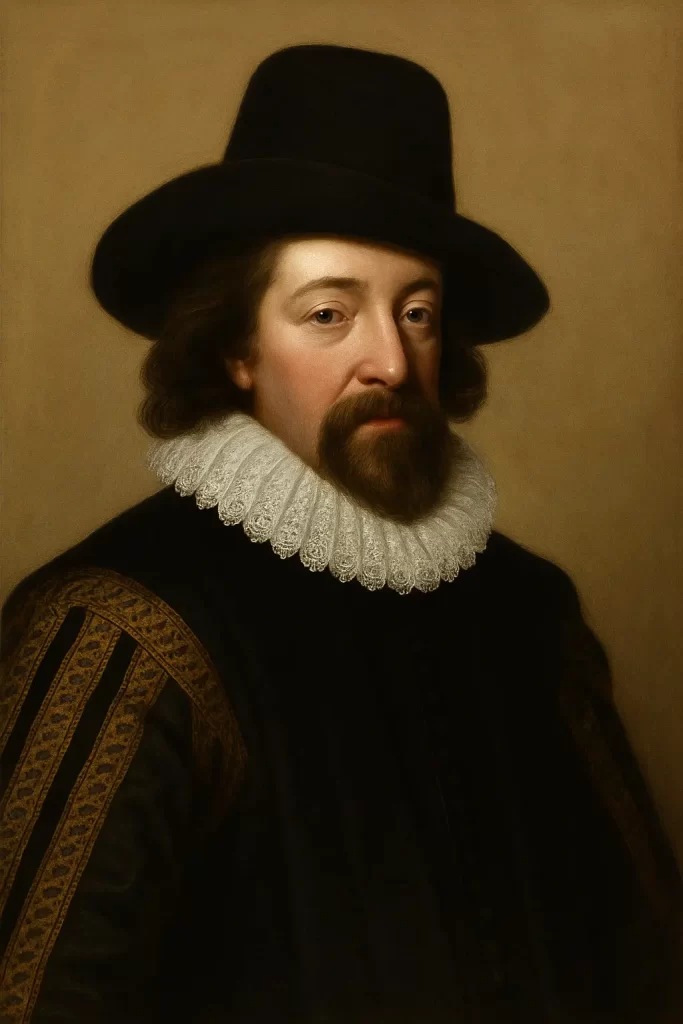
Overview:
Francis Bacon was a prominent English philosopher, statesman, lawyer, and writer of the Renaissance era. Known for his sharp intellect and contributions to modern science, he is often called the “father of empiricism” for advocating observation and experimentation in the pursuit of knowledge. His essays, including “Of Travel” from his collection Essays, or Counsels, Civil and Moral (1625), are celebrated for their concise wisdom and practical advice on personal and social matters.
Key Details:
Born: January 22, 1561, in London, England, to a wealthy and influential family. His father, Sir Nicholas Bacon, was Lord Keeper of the Great Seal under Queen Elizabeth I.
Education: Studied at Trinity College, Cambridge, at age 12 and later trained as a lawyer at Gray’s Inn. His education exposed him to classical learning and Renaissance ideas, shaping his intellectual outlook.
Career:
Legal and Political: Bacon rose through the ranks, serving as a Member of Parliament, Attorney General (1613), and Lord Chancellor (1618) under King James I. His political career ended in 1621 when he was convicted of bribery, fined, and briefly imprisoned, though he was later pardoned.
Philosopher and Scientist: Bacon championed the scientific method, emphasizing observation and experimentation over untested theories. His works, like Novum Organum (1620), laid the groundwork for modern scientific inquiry.
Writer: His Essays (first published in 1597, expanded in 1612 and 1625) are his most enduring literary contribution. Written in a concise, aphoristic style, they offer practical advice on topics like friendship, truth, and travel.
Literary Contribution:
The Essays, or Counsels, Civil and Moral is a collection of short, insightful pieces on human behavior, society, and ethics. “Of Travel,” published in the 1625 edition (with 58 essays), reflects Bacon’s belief in purposeful learning through experience.
His essays are known for their clarity, practicality, and timeless wisdom, blending Renaissance humanism with a pragmatic worldview.
Context for “Of Travel”:
Bacon wrote during the Renaissance, a time of exploration and cultural exchange in Europe. The “Grand Tour,” where young wealthy men traveled to countries like Italy and France for education, was gaining popularity.
As a well-traveled man himself (he visited France and other parts of Europe in his youth), Bacon drew on personal experience to craft his advice, aiming to guide young travelers in making their journeys educational and enriching.
Personal Traits:
Bacon was ambitious, intellectual, and pragmatic, but also controversial due to his political scandals. His writing reflects his analytical mind, offering advice rooted in observation and reason.
He valued knowledge as a tool for personal and societal improvement, a theme evident in “Of Travel,” where he encourages travelers to learn actively and integrate their experiences wisely.
Death: Died on April 9, 1626, reportedly from pneumonia after conducting an experiment to preserve meat by freezing it in snow. His dedication to scientific inquiry persisted until the end.
Significance:
Bacon’s influence extends beyond his lifetime, shaping modern science and philosophy. His essays, including “Of Travel,” remain relevant for their practical insights into human behavior and decision-making. In “Of Travel,” he reflects the Renaissance ideal of self-improvement through exposure to new cultures, tempered by discipline and purpose.
Francis Bacon is considered the father of the scientific method, father of empiricism, and father of the English essay.
Father of the Scientific Method: Bacon pioneered the use of systematic observation, experimentation, and inductive reasoning to advance knowledge, as outlined in his work Novum Organum (1620). He emphasized testing ideas through evidence rather than relying on ancient authorities, laying the groundwork for modern scientific inquiry.
Father of Empiricism: His focus on empirical evidence—knowledge gained through observation and experience—established him as a key figure in the philosophical school of empiricism, influencing later thinkers like John Locke and David Hume.
Father of the English Essay: Bacon introduced the essay form to English literature with his Essays or Counsels, Civil and Moral (1597, 1612, 1625), including “Of Friendship.” Inspired by Montaigne, he adapted the genre into a concise, aphoristic style, shaping its development in English writing.
Word Meaning
| Tough Word | Meaning in English | Meaning in Hindi |
| Travelleth | Archaic form of “travels”; to journey or move from one place to another. | यात्रा करता है |
| Sort | Type or group of people. | प्रकार, समूह |
| Hath | Archaic form of “has”; to possess or have. | के पास है, रखता है |
| Entrance | Basic knowledge or familiarity; here, knowing a language to some extent. | प्रवेश, प्रारंभिक ज्ञान |
| Goeth | Archaic form of “goes”; to travel or move. | जाता है |
| Grave | Serious, responsible, or solemn. | गंभीर, जिम्मेदार |
| Whereby | By which; the means through which something is achieved. | जिसके द्वारा |
| Acquaintances | People one knows, especially socially or professionally. | परिचित |
| Yieldeth | Archaic form of “yields”; produces or provides. | प्रदान करता है |
| Hooded | Blindfolded or limited in vision; metaphorically, unaware or ignorant. | आँखों पर पट्टी बंधा, अनजान |
| Abroad | In a foreign country or outside one’s own place. | विदेश में |
| Voyages | Long journeys, especially by sea. | समुद्री यात्राएँ |
| Omit | To leave out or neglect. | छोड़ देना, उपेक्षा करना |
| Courts of Princes | Royal courts where rulers meet advisors or ambassadors. | राजकुमारों का दरबार |
| Audience | A formal meeting or reception, especially with important people. | दर्शन, मुलाकात |
| Ambassadors | Official representatives of one country to another. | राजदूत |
| Courts of Justice | Places where legal cases are heard and judged. | न्यायालय |
| Causes | Legal cases or disputes. | मामले, मुकदमे |
| Consistories Ecclesiastic | Church councils or assemblies for religious matters. | धार्मिक सभाएँ |
| Monasteries | Buildings where monks live and practice religion. | मठ |
| Monuments | Structures or objects commemorating events or people. | स्मारक |
| Extant | Still existing or surviving. | मौजूद, बाकी |
| Fortifications | Defensive walls or structures to protect cities. | किलेबंदी |
| Heavens and Harbors | Open skies and sea ports; sky and dock areas of cities. | आकाश और बंदरगाह |
| Antiquities | Ancient relics or historical objects. | प्राचीन वस्तुएँ |
| Ruins | Remains of destroyed or decayed buildings or structures. | खंडहर |
| Disputations | Formal debates or discussions, often in academic settings. | वाद-विवाद |
| Shipping | Ships or the activity of transporting goods by sea. | जहाजरानी |
| Navies | Military fleets of ships. | नौसेना |
| Houses of State | Grand residences of important people, like nobility. | शाही भवन |
| Armories | Places where weapons are stored or made. | शस्त्रागार |
| Arsenals | Storehouses for military equipment or weapons. | हथियार भंडार |
| Magazines | Storehouses, especially for military supplies or goods. | भंडार |
| Exchanges | Places where trade or commerce happens, like markets or stock exchanges. | व्यापार स्थल |
| Burses | Archaic term for exchanges or marketplaces, often for financial transactions. | विनिमय केंद्र |
| Warehouses | Buildings for storing goods. | गोदाम |
| Horsemanship | The skill or practice of riding horses. | घुड़सवारी |
| Fencing | The sport or skill of fighting with swords. | तलवारबाजी |
| Resort | To go or attend frequently (here, where important people gather). | जाना, सहारा लेना |
| Treasuries | Places where valuable items like jewels or money are stored. | खजाना |
| Robes | Formal or ceremonial clothing. | परिधान, वस्त्र |
| Cabinets | Collections of rare or valuable objects, or small private rooms. | संग्रह, छोटा कमरा |
| Rarities | Rare or unusual objects, often collected for their uniqueness. | दुर्लभ वस्तुएँ |
| Diligent | Careful and thorough in effort. | परिश्रमी, सावधान |
| Triumphs | Grand celebrations or victories, often with parades. | विजयोत्सव |
| Masks | Masquerade events or performances with costumes. | नकाबपोश समारोह |
| Feasts | Large, festive meals or celebrations. | भोज, उत्सव |
| Capital Executions | Public executions of serious criminals (common in Bacon’s time). | मृत्युदंड |
| Put in Mind | Reminded or prompted. | याद दिलाना |
| Room | Space or scope (here, metaphorically meaning to condense or organize). | स्थान, गुंजाइश |
| Card | Archaic term for a map or chart. | नक्शा |
| Deserveth | Archaic form of “deserves”; merits or is worthy of. | योग्य है |
| Lodging | A place to stay, like an inn or house. | आवास, ठहरने का स्थान |
| Adamant | Something that strongly attracts or draws. | आकर्षण, मजबूत प्रेरक |
| Acquaintance | A person one knows, or the act of becoming familiar with someone. | परिचय, परिचित |
| Sequester | To separate or isolate oneself. | अलग करना, एकांतवास |
| Procure | To obtain or acquire, often through effort. | प्राप्त करना |
| Recommendation | A letter or introduction to someone of importance. | सिफारिश, परिचय पत्र |
| Whither | To which place or direction. | किस दिशा में, कहाँ |
| Person of Quality | A person of high social status or importance. | उच्च दर्जे का व्यक्ति |
| Abridge | To shorten or make more efficient without losing value. | संक्षिप्त करना |
| Suck | To absorb or take in (here, knowledge or experiences). | ग्रहण करना |
| Eminent | Prominent or distinguished; well-known and respected. | प्रख्यात, प्रसिद्ध |
| Quarrels | Arguments or fights. | झगड़ा, विवाद |
| Mistresses | Women involved in romantic relationships, often outside marriage. | प्रेमिका |
| Healths | Toasts or drinking to someone’s health (a common cause of disputes). | स्वास्थ्य के लिए प्याला |
| Place | Social position or status (here, disputes over precedence). | स्थान, हैसियत |
| Words | Verbal arguments or insults. | शब्द, तर्क |
| Choleric | Hot-tempered or easily angered. | क्रोधी, गुस्सैल |
| Engage | To involve or entangle someone in something (here, quarrels). | उलझाना |
| Returneth | Archaic form of “returns”; to come back. | लौटता है |
| Correspondence | Communication, especially through letters. | पत्राचार |
| Discourse | Conversation or discussion. | बातचीत, चर्चा |
| Apparel | Clothing or attire. | वस्त्र, परिधान |
| Gesture | Physical movements or mannerisms. | हाव-भाव |
| Country Manners | Customs or behaviors of one’s homeland. | देश की रीति-रिवाज |
| Prick in | To add or incorporate subtly, like adding small touches. | शामिल करना, थोड़ा जोड़ना |
| Flowers | Metaphorically, the best or finest parts (here, ideas or practices). | फूल, श्रेष्ठ हिस्से |
| Learned Abroad | Knowledge or skills gained during foreign travel. | विदेश में अर्जित ज्ञान |
Of Travel by Francis Bacon Questions and Answers
Very Short Answer Questions
Who wrote the essay “Of Travel”?
Francis Bacon.
In which year was “Of Travel” published?
1625.
What is the main purpose of travel for young people, according to Bacon?
Education.
What does Bacon say travel provides for older people?
Experience.
What should a traveler learn before going to a foreign country?
The local language.
Who should accompany young travelers, per Bacon?
A knowledgeable tutor or servant.
What should travelers keep to record their experiences?
A diary.
Why does Bacon find it strange that people keep diaries at sea but not on land?
Land travel offers more to observe.
Name one place Bacon suggests travelers observe.
Courts of princes.
What type of events does Bacon say travelers don’t need reminding about?
Feasts or public spectacles.
What should travelers carry to aid their exploration?
A map or guidebook.
How long should a traveler stay in one city, according to Bacon?
Not too long, as the place deserves.
Why should travelers change lodgings within a city?
To make more connections.
Who should travelers spend time with instead of their countrymen?
Locals.
What should travelers seek when moving to a new place?
A letter of recommendation.
Who does Bacon say is the most profitable to meet while traveling?
Ambassadors’ staff.
What should travelers avoid to stay out of trouble?
Quarrels.
What causes of quarrels does Bacon mention?
Mistresses, healths, place, or words.
How should travelers maintain connections after returning home?
Through letters.
How should a traveler show their experiences, per Bacon?
In conversation, not clothes or gestures.
Short Answer Questions
What is the main purpose of travel according to Francis Bacon in “Of Travel”?
Bacon believes travel serves as education for young people, teaching them new skills and ideas, and as experience for older people, enriching their wisdom. For the young, it’s like going to school to learn about cultures and customs. For the elder, it adds practical knowledge of the world. He emphasizes purposeful travel to maximize learning.
Why does Bacon recommend traveling with a tutor or knowledgeable servant?
Bacon suggests a tutor or servant who knows the language and country to guide young travelers effectively. They can point out important sights, like courts or churches, and introduce travelers to valuable people. This ensures the journey is educational, not aimless. Without such guidance, travelers might miss key experiences.
How does Bacon advise travelers to document their experiences?
Bacon recommends keeping a diary to record observations during land travel, as it offers much to see, unlike sea voyages with just sky and water. He finds it odd that people neglect diaries on land, where there’s more to note. Writing down details about places like ruins or events helps travelers remember and learn. This practice makes travel more meaningful.
What types of places does Bacon suggest travelers should observe?
Bacon lists places like royal courts, churches, monasteries, city walls, harbors, ruins, libraries, and universities as key sites to visit. He also mentions cultural spots like theaters for plays or training grounds for horsemanship. These locations offer insights into a country’s politics, culture, and history. Observing them enriches a traveler’s understanding.
Why does Bacon advise travelers to avoid spending too long in one city?
Bacon suggests not staying too long in one city to maximize exposure to different places and people. Moving around helps travelers see more and make diverse connections. Even within a city, changing lodgings to different areas fosters new acquaintances. This approach ensures a broader, more profitable travel experience.
How does Bacon recommend travelers engage with locals?
Bacon advises travelers to spend time with locals rather than their own countrymen to understand the culture better. He suggests dining and socializing where locals gather. Getting introductions to important local figures also helps gain deeper insights. This immersion makes travel more authentic and educational.
What does Bacon say about avoiding quarrels while traveling?
Bacon warns travelers to avoid fights, which often arise over trivial matters like romance, toasts, status, or words. He advises staying away from hot-tempered people who might drag travelers into conflicts. Being cautious and discreet keeps travelers safe. This ensures the focus remains on learning, not trouble.
How should travelers maintain connections after returning home?
Bacon recommends keeping in touch with valuable people met abroad by writing letters. These connections, especially with influential figures, maintain the benefits of travel. Staying in contact helps preserve knowledge and networks gained. It ensures the trip’s impact lasts beyond the journey.
What is Bacon’s advice on how travelers should share their experiences at home?
Bacon suggests travelers show their experiences through thoughtful conversation, not flashy clothes or foreign mannerisms. They should avoid boasting or adopting foreign customs entirely. Instead, they should blend the best ideas learned abroad with their own culture’s ways. This keeps their identity intact while sharing wisdom.
How does the historical context of the Renaissance influence “Of Travel”?
Written in 1625, “Of Travel” reflects the Renaissance focus on learning through experience, especially via the Grand Tour of Europe. Young men traveled to countries like Italy to broaden their education. Bacon’s advice on language, guides, and observation aligns with this era’s emphasis on cultural and intellectual growth. His essay caters to this structured approach to travel.
Essay Type Questions
Write Long Note on Francis Bacon as Essayist.
Introduction to Francis Bacon’s Essays
Francis Bacon, a renowned English philosopher and statesman, is celebrated as the father of the English essay. His Essays, or Counsels, Civil and Moral (1597, 1612, 1625), including the notable “Of Travel,” introduced a concise, practical essay form. This guide explores Bacon’s role as an essayist, his style, themes, and lasting impact, offering insights for students, literature enthusiasts, and scholars.
Who Was Francis Bacon?
Born: 1561, London, England, to a prominent family.
Career: Served as Attorney General and Lord Chancellor; pioneered the scientific method.
Literary Work: Authored Essays and philosophical texts like Novum Organum (1620).
Context: Wrote during the Renaissance, a time of intellectual growth and exploration.
Bacon’s essays, especially “Of Travel,” reflect his empirical mindset, offering practical advice for personal and social success.
Historical Context of Bacon’s Essays
Bacon wrote during the English Renaissance, when the Grand Tour educated young elites in Europe’s cultural hubs. Influenced by Montaigne’s reflective Essais (1580), Bacon crafted a unique, concise style. His essays, published in 1597 (10 essays), 1612 (38 essays), and 1625 (58 essays), addressed the era’s focus on humanism, travel, and self-improvement. “Of Travel” mirrors the Renaissance ideal of learning through observation, aligning with Bacon’s scientific philosophy.
Key Characteristics of Bacon’s Essay Style
Bacon’s essays are distinctive for their clarity and practicality, shaping the English essay form. Here are their defining features:
1. Concise and Aphoristic
Bacon’s essays, like “Of Travel,” are short yet profound, using memorable phrases (e.g., “young men shall go hooded”). This brevity makes his ideas accessible and quotable, ideal for readers seeking quick wisdom.
2. Practical and Instructional
With a didactic tone, Bacon offers actionable advice. In “Of Travel,” he instructs travelers to learn languages and keep diaries, acting as a mentor for success in personal and professional spheres.
3. Secular and Empirical
Unlike religious or emotional writing, Bacon’s essays focus on worldly outcomes. “Of Travel” emphasizes cultural observation over spiritual reflection, reflecting his scientific approach to knowledge.
4. Structured and Logical
Each essay follows a clear structure, moving from general principles to specific advice. “Of Travel” outlines preparation, observation, and post-travel conduct, ensuring a methodical guide.
5. Renaissance Humanism
Bacon’s essays embody the Renaissance spirit of learning through experience. “Of Travel” encourages cultural immersion to broaden perspectives, a hallmark of humanist thought.
Major Themes in Bacon’s Essays
Bacon’s essays cover universal topics, making them timeless. Key themes include:
Education and Knowledge: “Of Travel” and “Of Studies” promote learning through observation and study.
Pragmatism: Essays like “Of Ambition” offer strategies for success in life and politics.
Moral Conduct: “Of Truth” and “Of Friendship” explore ethical behavior with a practical lens.
Cultural Engagement: “Of Travel” emphasizes connecting with locals for authentic experiences.
Power and Politics: “Of Great Place” provides insights for navigating authority.
Strengths of Bacon as an Essayist
Pioneering the Genre: Bacon shaped the English essay, adapting Montaigne’s form into a concise, practical style.
Timeless Advice: Tips like keeping a diary in “Of Travel” remain relevant for modern travelers.
Clarity: His aphoristic style makes complex ideas easy to grasp.
Universal Appeal: Topics like love and ambition resonate across cultures.
Empirical Lens: His scientific mindset brings rationality to personal and social issues.
Weaknesses of Bacon’s Essays
Impersonal Tone: Lacking personal anecdotes, his essays can feel detached compared to Montaigne’s.
Elitist Focus: Written for educated men, they may not address broader audiences.
Archaic Language: Terms like “travelleth” can challenge modern readers.
Limited Emotional Depth: The pragmatic focus overlooks emotional or spiritual aspects.
Literary Significance of Bacon’s Essays
Bacon’s Essays are a cornerstone of English literature, establishing the essay as a concise, reflective genre. They influenced writers like John Locke and Samuel Johnson, shaping personal and journalistic essays. “Of Travel” reflects the Renaissance Grand Tour, offering a model for travel literature. Bacon’s empirical approach links his essays to his scientific legacy, making them a bridge between literature and philosophy.
Bacon’s Legacy as an Essayist
Bacon’s essays remain a touchstone for their brevity and wisdom. They inspired the evolution of the essay form, from reflective to argumentative styles. His practical advice, as seen in “Of Travel,” informs modern self-help and travel guides. Studied globally, his work underscores his enduring influence as an English essayist.
Conclusion
Francis Bacon’s role as an essayist is monumental, with Essays, or Counsels, Civil and Moral defining a new literary form. His concise, practical style and universal themes make essays like “Of Travel” timeless. Despite minor limitations, his work reflects Renaissance humanism and empirical thought, influencing literature and thought for centuries. Bacon remains a pivotal figure for students and readers exploring the English essay.
Introduction
Francis Bacon’s “Of Travel,” published in the 1625 edition of Essays, or Counsels, Civil and Moral, is a concise guide to purposeful travel. Written during the Renaissance, the essay reflects Bacon’s pragmatic philosophy, emphasizing travel as a tool for education and experience. Aimed primarily at young men embarking on the Grand Tour, it offers practical advice on preparation, observation, and post-travel conduct. Bacon’s focus is on maximizing intellectual and cultural gains, making the essay both a product of its time and a timeless reflection on meaningful exploration.
Themes
Education Through Travel: Bacon views travel as a form of learning, especially for the young, who gain knowledge of languages, cultures, and customs, and for older individuals, who deepen their worldly experience.
Purposeful Action: The essay stresses intentionality, advocating preparation (e.g., learning the language, using a guide) and active observation to make travel productive rather than aimless.
Cultural Immersion: Bacon encourages engaging with locals over countrymen and seeking influential contacts to understand foreign societies authentically.
Prudence and Discretion: He advises avoiding quarrels and maintaining one’s cultural identity, blending foreign insights thoughtfully with native customs.
Social Networking: Building and maintaining connections with notable figures, like ambassadors’ staff, enhances the traveler’s knowledge and influence.
Style
Bacon’s aphoristic style is the most striking feature:
He uses short, crisp sentences full of wisdom (aphorisms).
The language is direct, brief, and simple, yet rich in meaning.
The style is didactic (teaching tone), aimed at giving life advice.
No unnecessary emotions or stories—everything is to the point.
His use of comparisons like “goeth to school, and not to travel” makes ideas clearer and memorable.
Structure
The essay is a single, compact paragraph, typical of Bacon’s essays, with a logical progression:
Purpose: Opens with travel’s benefits (education for youth, experience for elders).
Preparation: Advises learning the language and traveling with a knowledgeable guide.
Observation: Lists sites to see (courts, churches, ruins) and stresses diary-keeping.
Practical Strategies: Recommends moving frequently, engaging with locals, and securing introductions.
Conduct: Warns against quarrels and troublesome company.
Post-Travel: Suggests maintaining connections and sharing experiences discreetly. This linear structure makes the essay a clear, step-by-step guide, reflecting Bacon’s methodical approach.
Strength
Clarity and Conciseness: Bacon’s brevity delivers practical advice without fluff, making it easy to follow.
Timeless Wisdom: Tips like learning the language, keeping a journal, and engaging with locals remain relevant for modern travelers.
Pragmatic Focus: The essay’s emphasis on purposeful travel aligns with Bacon’s empirical philosophy, prioritizing observable benefits.
Cultural Sensitivity: Bacon’s call to immerse in local culture and avoid ethnocentrism is progressive for his time.
Versatility: The advice applies to various travel contexts, from education to diplomacy, broadening its appeal.
Historical and Literary Context
Written in 1625, “Of Travel” reflects the Renaissance era’s fascination with exploration and self-improvement. The Grand Tour, where young European men traveled to France, Italy, and beyond, was a cultural norm for the elite, aimed at completing their education. Bacon, a statesman and philosopher, wrote during a time of expanding global awareness, with England engaging in trade and diplomacy. Literarily, his essays pioneered the English essay form, inspired by Montaigne’s Essais but more concise and prescriptive. As a key figure in the Scientific Revolution, Bacon’s empirical approach in “Of Travel” mirrors his broader advocacy for observation and experience in works like Novum Organum (1620).
Significance
“Of Travel” stands out for its realistic approach to travel:
Bacon teaches that travel is not for entertainment but for self-growth.
The essay became a guide for young aristocrats and scholars, encouraging meaningful travel.
Even today, it is often quoted in books on education, personality development, and travel writing.
Conclusion
“Of Travel” is a fine example of Bacon’s practical wisdom and aphoristic style. It shows that travel, if done thoughtfully, can be a powerful tool for self-improvement. Bacon’s advice is simple yet deep, making this essay timeless, educational, and useful for all generations. The essay encourages us to travel not just to see places, but to grow as wiser and better individuals.
Free Full PDF Download Now
Other Works of Francis Bacon: Easy Literary Lessons
Of Friendship by Francis Bacon
Of Marriage and Single Life by Francis Bacon