In Memory of W. B. Yeats
(W. H. Auden)
I
He disappeared in the dead of winter:
The brooks were frozen, the airports almost deserted,
And snow disfigured the public statues;
The mercury sank in the mouth of the dying day.
What instruments we have agree
The day of his death was a dark cold day.
Far from his illness
The wolves ran on through the evergreen forests,
The peasant river was untempted by the fashionable quays;
By mourning tongues
The death of the poet was kept from his poems.
But for him it was his last afternoon as himself,
An afternoon of nurses and rumours;
The provinces of his body revolted,
The squares of his mind were empty,
Silence invaded the suburbs,
The current of his feeling failed; he became his admirers.
Now he is scattered among a hundred cities
And wholly given over to unfamiliar affections,
To find his happiness in another kind of wood
And be punished under a foreign code of conscience.
The words of a dead man
Are modified in the guts of the living.
But in the importance and noise of to-morrow
When the brokers are roaring like beasts on the floor of the Bourse,
And the poor have the sufferings to which they are fairly accustomed,
And each in the cell of himself is almost convinced of his freedom,
A few thousand will think of this day
As one thinks of a day when one did something slightly unusual.
What instruments we have agree
The day of his death was a dark cold day.
II
You were silly like us; your gift survived it all:
The parish of rich women, physical decay.
Yourself. Mad Ireland hurt you into poetry.
Now Ireland has her madness and her weather still.
For poetry makes nothing happen: it survives
In the valley of its making where executives
Would never want to tamper, flows on south
From ranches of isolation and the busy griefs,
Raw towns that we believe and die in; it survives,
A way of happening, a mouth.
III
Earth, receive an honoured guest:
William Yeats is laid to rest.
Let the Irish vessel lie
Emptied of its poetry.
In the nightmare of the dark
All the dogs of Europe bark,
And the living nations wait,
Each sequestered in its hate;
Intellectual disgrace
Stares from every human face,
And the seas of pity lie
Locked and frozen in each eye.
Follow, poet, follow right
To the bottom of the night,
With your unconstraining voice
Still persuade us to rejoice;
With the farming of a verse
Make a vineyard of the curse,
Sing of human unsuccess
In a rapture of distress;
In the deserts of the heart
Let the healing fountain start,
In the prison of his days
Teach the free man how to praise.
Summary
The poem “In Memory of W. B. Yeats” by W. H. Auden was first published on March 8, 1939, in the American magazine The New Republic.
It was later collected in Auden’s book of poetry, Another Time, which was published in 1940.
Auden wrote the elegy in February 1939, shortly after William Butler Yeats’s death on January 28, 1939. It holds a significant place in his work as it was one of the first major poems he wrote after his emigration to America.
Part I:
The poem starts by showing that Yeats’s death, which happened “in the dead of winter,” was a simple, cold, physical event. Auden describes the famous poet’s last hours in very basic terms: an “afternoon of nurses and rumours,” where his body was failing. This makes the great man seem small and mortal. But quickly, Auden shifts the focus: even though the man died, his words were safe. The poet didn’t just die; he “became his admirers.” This means he stopped being a single person and became part of every person who loves his work, scattered “among a hundred cities.” His words are not just read; they are changed and kept alive—”modified in the guts of the living.” The section ends sadly, noting that the rest of the world—the stock market and the suffering poor—will quickly forget, treating the day as nothing special.
Part II:
Auden then speaks directly to Yeats, being honest about his human weaknesses: “You were silly like us; your gift survived it all.” He acknowledges that Yeats’s amazing poetry wasn’t born from peace, but from pain, saying “Mad Ireland hurt you into poetry.” The most important idea here is Auden’s famous declaration: “For poetry makes nothing happen.” It cannot stop a war or fix the economy. However, this is its secret strength. Because powerful people (“executives”) don’t see it as useful, they leave it alone. This allows poetry to survive freely, flowing from the deepest human feelings—our isolation and our pain—persisting simply as a living, continuous presence: “a way of happening, a mouth.”
Part III:
The final part changes into a formal, serious instruction. Auden asks the Earth to welcome Yeats’s body, which is now empty, having released its genius. He immediately contrasts this peace with the terrible world left behind: a political “nightmare of the dark” where nations are full of “hate” and global war looms (“All the dogs of Europe bark”).
Auden calls upon the poet’s enduring voice to dive into this darkness. The purpose of his art is clear: use the hard work of writing (“the farming of a verse”) to change despair into something beautiful, to “Make a vineyard of the curse.” By embracing and singing about human failure (“human unsuccess”), the poet’s legacy must restore hope and start “the healing fountain” in the human heart, finally teaching people how to truly appreciate and affirm life: “Teach the free man how to praise.”
In Memory of W. B. Yeats Analysis
He disappeared in the dead of winter:
The brooks were frozen, the airports almost deserted,
And snow disfigured the public statues;
The mercury sank in the mouth of the dying day.
What instruments we have agree
The day of his death was a dark cold day.
Reference to Context:
This stanza serves as the opening movement of the poem, establishing the external, indifferent environment on the day of Yeats’s death. The context is the literal, physical reality of the moment: Yeats died on January 28, 1939, in the south of France. Auden is deliberately using impersonal, objective, and meteorological language to frame the event. The purpose is not to mourn passionately, but to state a fact: a great poet’s passing was, to the vast majority of the world and to nature itself, merely another cold, quiet day. This clinical opening sets the stage for the poem’s deeper exploration of the contrast between the fleeting life of the man and the lasting power of his art.
Explanation:
Auden begins with the stark, factual announcement, “He disappeared in the dead of winter,” choosing the passive, non-emotional verb “disappeared” over “died” to emphasize the void the poet leaves behind, while “dead of winter” perfectly aligns the season with the subject of mortality.
The following lines paint a picture of physical and social stagnation. “The brooks were frozen, the airports almost deserted,” are images of nature and modern life brought to a standstill. The frozen brooks stop the natural flow, symbolically halting life’s vitality and perhaps the spontaneous flow of inspiration. The deserted airports suggest a lack of urgency or recognition; the world’s fast-moving commerce did not pause.
The image “And snow disfigured the public statues” introduces a subtle philosophical point. Statues represent lasting public achievement and historical memory, but the indifferent, natural force of the snow covers and blurs them. This implies that even a great, celebrated legacy is temporarily diminished or obscured by the brute fact of death and the passing of time.
This objective assessment is continued with the vivid personification, “The mercury sank in the mouth of the dying day.” The image connects the literal act of measuring temperature (mercury sinking in a thermometer) to the figurative death of the day itself. The thermometer acts almost like a medical instrument delivering a final, clinical diagnosis, reinforcing the idea that the entire environment, like the poet, is expiring.
The stanza concludes by doubling down on its commitment to objective fact: “What instruments we have agree / The day of his death was a dark cold day.” The emphasis on “instruments” confirms that Auden is initially treating this historical moment as a measurable, confirmed event, free of immediate emotional exaggeration. The day was literally and figuratively “dark and cold,” setting the somber, detached tone that begins the elegy.
Poetic devices:
Imagery The entire stanza relies on sensory details to create a vivid, cold atmosphere. Images of frozen brooks, deserted airports, and disfiguring snow immerse the reader in the physical setting of Yeats’s death. This creates a mood of isolation and stasis.
Metaphor The phrase “the dead of winter” is a metaphor that equates the coldest, least vital part of the year with the concept of death itself, aligning nature’s cycle with mortality.
Personification This is perhaps the strongest device in the stanza, used in two key instances:
“the dying day”: The day is given the human quality of dying, linking the passage of time to the poet’s expiration.
“The mercury sank in the mouth of the dying day”: This is an incredibly effective piece of personification. The thermometer becomes a human figure, and its bulb where the mercury sinks becomes the “mouth” of the day. This links the cold scientific measurement of the weather to the clinical, final diagnosis of death.
Symbolism The specific images carry symbolic weight:
“frozen brooks”: Symbolize the cessation of the life force and the spontaneous flow of creativity.
“public statues”: Symbolize lasting fame and public legacy, which is momentarily “disfigured” by the impartial snow.
“airports almost deserted”: Symbolize a halt to movement, significance, or urgent communication—the world is not rushing to mourn.
Juxtaposition (of the Mundane and the Significant) Auden deliberately places the profound event (the death of a great poet) next to utterly mundane details (a weather reading, frozen water). This technique highlights his theme that great death, in the immediate, physical world, is just another ordinary, dark, cold day.
Alliteration Alliteration in the repeated ‘d’ sound: disappeared, dead, dark, day.
Far from his illness
The wolves ran on through the evergreen forests,
The peasant river was untempted by the fashionable quays;
By mourning tongues
The death of the poet was kept from his poems.
Reference to Context:
This stanza immediately follows the cold, objective description of the day of Yeats’s death. The context here is a shift from the specific to the universal, contrasting the poet’s personal suffering and demise with the indifferent continuity of the natural world and the essential separation between the poet’s life and his published work. Auden uses this stanza to illustrate that Yeats’s death, while a physical event, did not immediately contaminate or halt the life of his poetry.
Explanation:
The stanza opens by setting the scene geographically and emotionally apart from the dying man: “Far from his illness.” This distance is then illustrated through a series of natural images that signify the world carrying on, completely unaffected by the human event of death.
The line, “The wolves ran on through the evergreen forests,” provides an image of untamed, continuous life. The wolves are predatory and driven by instinct, symbolizing the brutal, vital energy of nature that operates outside the concerns of human civilization and mortality. The “evergreen forests” themselves reinforce the idea of permanence and renewal, contrasting with the finality of the poet’s death.
Next, Auden employs a metaphor of simple continuity: “The peasant river was untempted by the fashionable quays.” Here, the river represents the enduring, essential flow of nature and history, characterized as a “peasant”—simple, basic, and unchanging. It ignores the “fashionable quays”—the docks or landing places that symbolize fleeting, modern human endeavor, commerce, and social importance. The river flows on, undisturbed by the superficial concerns of society, just as the natural world ignores the death of the poet.
The final two lines then bring the focus back to the poetry itself, summing up the preceding imagery: “By mourning tongues / The death of the poet was kept from his poems.” This is a crucial observation. Because the natural world (wolves, river) is indifferent, and because Yeats’s physical death was separate from his literary legacy, the poetry is preserved in a kind of quarantine. The “mourning tongues” are the people talking about the death, but their sorrow has not yet affected the actual text on the page. The meaning of the poems remains, for the time being, purely what the poet intended, untouched by the sudden tragedy of his passing.
Poetic Device:
Symbolism Auden uses symbolic geography to establish the permanence of the natural world:
“The wolves ran on through the evergreen forests”: The wolves symbolize raw, untamed, and essential life force driven by instinct. The evergreen forests symbolize nature’s enduring vitality and continuity, which stands in stark contrast to the poet’s mortality.
“The peasant river was untempted by the fashionable quays”: The “peasant river” symbolizes the simple, humble, and everlasting flow of nature and history, which remains pure and uncorrupted. The “fashionable quays” symbolize fleeting human endeavors, social status, commerce, and modernity. The river’s indifference to the quays mirrors the natural world’s indifference to the poet’s death.
Metaphor The comparison of the river to a “peasant” is a direct metaphor. The “peasant river” is given a humble, unchanging social status, emphasizing its essential, non-commercial nature, which contrasts with the “fashionable” human structures.
Personification The river is personified as being “untempted” by the fashionable quays, suggesting a choice or moral resistance to the superficiality of human society. The river’s flow is given a kind of humble wisdom.
Paradox / Irony The final couplet contains a central paradox: “By mourning tongues / The death of the poet was kept from his poems.” The very sorrow (“mourning tongues”) expressed over the poet’s death is what temporarily shields his work from the news of his death. The idea is that while the man suffered and died, his work—the poems themselves—remain pure, complete, and unblemished by the event of his passing until the public begins to interpret them through the lens of his death.
But for him it was his last afternoon as himself,
An afternoon of nurses and rumours;
The provinces of his body revolted,
The squares of his mind were empty,
Silence invaded the suburbs,
The current of his feeling failed; he became his admirers.
Reference to Context:
This stanza marks a significant shift in the poem. Having established the indifference of the outside world and nature in the previous stanzas, Auden now turns his focus inward to the immediate, personal reality of the poet’s final moments. The context is the moment of dissolution, where Yeats transitions from a living, struggling individual to an inanimate, enduring literary legacy. Auden uses extended metaphors of a collapsing city or body politic to describe the final physical and mental breakdown.
Explanation:
The stanza opens with a moment of singular poignancy: “But for him it was his last afternoon as himself.” This line establishes the boundary between the living, singular identity of William Butler Yeats and the posthumous existence of his scattered reputation. This last afternoon is characterized as a time of decline, “An afternoon of nurses and rumours,” which suggests confusion, medical intervention, and loss of control over one’s own narrative.
Auden then employs an elaborate extended metaphor of the body and mind as a political state or city in chaos. “The provinces of his body revolted” suggests various organs and systems turning against the central control, a vivid description of physical failure and disease. Following this, the mental state is described: “The squares of his mind were empty.” The “squares” represent the public, active spaces of thought, debate, and creativity—the centers of intellectual life—which are now vacated and silent. The metaphor continues as “Silence invaded the suburbs,” suggesting the quiet failure reaching the outermost, private parts of his consciousness.
The next line summarizes the complete physiological and emotional breakdown: “The current of his feeling failed.” This electrical or fluid metaphor signifies the final loss of vital energy, emotion, and connection to life.
The stanza culminates in the poem’s most famous and paradoxical conclusion about the poet’s identity: “he became his admirers.” This phrase is profound. It means that at the moment of death, the unique, fallible, living man ceased to exist. His identity is instantly transferred and pluralized; he no longer controls the meaning of his work. Instead, his entire being and legacy now reside entirely within the collective memory, interpretations, and affections of the people who read and love his poetry. The man dies, and the myth, owned by the public, begins.
Poetic Device:
Extended Metaphor (The Body as a State/City) The central device is the sustained comparison of the poet’s physical and mental self to a collapsing political entity or metropolitan area. This gives the personal experience of dying a grand, systemic, and almost political scale.
“The provinces of his body revolted”: The organs and systems of the body are compared to rebellious political regions or provinces turning against the central authority (the mind/self). This vividly illustrates bodily failure.
“The squares of his mind were empty”: The squares—the public, intellectual gathering places in a city—are empty, symbolizing the cessation of conscious thought, debate, and active creativity.
“Silence invaded the suburbs”: The suburbs represent the peripheral, quieter regions of the mind or consciousness. The invasion of silence signifies the final creeping loss of awareness across the entire mental landscape.
Metaphor (The Self as an Electrical or Fluid System) The line “The current of his feeling failed” uses a metaphor of electrical or fluid flow. “Current” suggests energy, vitality, or emotional connection, which has now failed or stopped flowing, confirming complete physiological and emotional breakdown.
Euphemism The line “it was his last afternoon as himself” is a gentle, indirect way of stating the moment of death, avoiding the bluntness of words like “death” or “dying.”
Now he is scattered among a hundred cities
And wholly given over to unfamiliar affections,
To find his happiness in another kind of wood
And be punished under a foreign code of conscience.
The words of a dead man
Are modified in the guts of the living.
Reference to Context:
This stanza takes the abstract idea of the poet’s posthumous existence and details its implications. The context is the diffusion and reinterpretation of the poet’s legacy once the authorial voice is silenced. Auden uses metaphors of geographical spreading and legal/moral transformation to explain how the poet’s work is no longer his own but is subject to the subjective judgment and emotional life of his readers.
Explanation:
The stanza opens by describing the poet’s new, scattered existence: “Now he is scattered among a hundred cities.” This imagery is literal and figurative. Literally, his books are sold, read, and discussed worldwide. Figuratively, his essence—his literary influence and reputation—is dispersed globally, no longer contained in one physical body or location.
His new state is characterized by an absolute surrender: “And wholly given over to unfamiliar affections.” The poet, who once controlled his emotions and expressed them in verse, is now subject to the diverse, subjective feelings and interpretations of his readers. His work will be loved, hated, or misunderstood by people he never knew, in ways he never intended.
The next two lines use metaphorical language drawn from fairy tales or mythology to describe the unpredictability of his fame: “To find his happiness in another kind of wood / And be punished under a foreign code of conscience.” The “wood” suggests a new, unknown environment where his reputation will live on, separate from the familiar landscape of his own life. His work might be loved for reasons he never cared about (“happiness in another kind of wood”), and it might be judged or critiqued according to moral, political, or social standards that were foreign to him (“punished under a foreign code of conscience”). His poetry is now an orphan, judged by foreign laws.
The final couplet powerfully summarizes the whole concept: “The words of a dead man / Are modified in the guts of the living.” This is perhaps the most visceral statement in the poem. The poet’s words are not just passively read; they are actively “modified”—changed, shaped, and given new meaning. By placing this modification “in the guts of the living,” Auden suggests a deep, instinctive, and emotional engagement. The reader processes the work not just intellectually, but viscerally, making the poetry a part of their own identity and experience, effectively transforming the poet’s original intent.
Poetic Device:
Metaphor (Scattering/Diffusion) The phrase “Now he is scattered among a hundred cities” is a metaphor for the poet’s fame and work being diffused globally. The single, physical body is gone, replaced by the widespread presence of his books, reputation, and influence. He is physically absent but ubiquitously present in the cultural sphere.
Metaphor (Possession and Surrender) The line “And wholly given over to unfamiliar affections” treats the poet’s legacy as a possession that is surrendered to the public. The “unfamiliar affections” are the varied, subjective, and unpredictable feelings of the millions of readers who will interpret his work in ways he never intended. He loses control over his own meaning.
Metaphor (The Foreign Code) The lines “To find his happiness in another kind of wood / And be punished under a foreign code of conscience” use metaphors reminiscent of mythology, fairy tales, or even a legal system. The “foreign code of conscience” represents the new, subjective critical, moral, and political standards by which future generations will judge his work. The poet is no longer judged by his own intentions but by the external, “foreign” values of his readers.
Juxtaposition (Happiness and Punishment) Auden places the possibility of “happiness” (being loved by a reader for a specific reason) right next to the possibility of “punishment” (being judged or criticized). This juxtaposition highlights the unpredictability of fame and legacy; the same body of work can receive wildly different fates in the public eye.
But in the importance and noise of to-morrow
When the brokers are roaring like beasts on the floor of the Bourse,
And the poor have the sufferings to which they are fairly accustomed,
And each in the cell of himself is almost convinced of his freedom,
A few thousand will think of this day
As one thinks of a day when one did something slightly unusual.
Reference to Context:
This stanza returns to the theme of global indifference established in the very first stanza. Having explored the intense, personal process of the poet’s death and the metaphysical transition of his work to his admirers, Auden now anchors the event back in the mundane, political, and economic reality of the world. The context is the realization that a literary death, however profound, is utterly dwarfed by the everyday noise and persistent suffering that defines modern life.
Detailed Explanation:
The stanza opens by setting up a sharp contrast with the death just described: “But in the importance and noise of to-morrow.” This “to-morrow” represents the immediate future, which is dominated not by remembrance, but by the clamor of commerce and urgent daily affairs.
Auden uses strong, animalistic imagery to describe the financial world: “When the brokers are roaring like beasts on the floor of the Bourse.” The Bourse, the French stock exchange, symbolizes the relentless, loud, and competitive nature of capitalism and global finance. The men conducting this business are stripped of their humanity, becoming primal “beasts,” driven by profit. Their noise and activity completely override the quiet memory of the poet.
In stark contrast to the rich brokers, Auden notes the unchanging condition of the majority: “And the poor have the sufferings to which they are fairly accustomed.” This line is both empathetic and deeply cynical. It observes the persistence of poverty and suffering, a permanent backdrop to history that even the death of a great poet cannot alleviate or alter. Auden then touches upon the modern, alienated state of mind: “And each in the cell of himself is almost convinced of his freedom.” This powerful image suggests that modern individualism is actually a form of self-imprisonment (“cell”), where people are isolated and mistakenly believe their solitude is freedom.
Against this overwhelming backdrop of noise, suffering, and self-delusion, the memory of Yeats’s death is rendered tiny and insignificant: “A few thousand will think of this day / As one thinks of a day when one did something slightly unusual.” The final lines are the ultimate deflation of ego and literary vanity. Only a very small number of people—”A few thousand”—will even pause to remember. And for them, the remembrance will be fleeting and trivial, on par with recalling “something slightly unusual” one did, like a minor change in routine.
The stanza, and Part I as a whole, concludes by brutally asserting that a poet’s death is not a world-stopping event; it is quickly absorbed and forgotten by the unstoppable current of human business and enduring misery.
Poetic Device:
Metaphor (of Time and Commerce) The opening phrase “in the importance and noise of to-morrow” treats the future as a landscape dominated by urgency and chaos. This phrase creates a tonal contrast with the “dark cold day” of the death.
Simile and Zoomorphism The line “When the brokers are roaring like beasts on the floor of the Bourse” contains a powerful simile.
The comparison of brokers to “beasts” is an act of zoomorphism (giving animal characteristics to humans). This strips the agents of capitalism and commerce of their humanity, suggesting that the pursuit of money is a primal, savage, and unrestrained activity.
Contrast / Juxtaposition (of Classes) Auden starkly contrasts the privileged commercial class (“brokers”) with the working class: “And the poor have the sufferings to which they are fairly accustomed.” This juxtaposition emphasizes that the major human preoccupations—wealth acquisition and persistent suffering—continue relentlessly, making the poet’s death irrelevant. The word “fairly” here is deeply ironic, highlighting the cyclical and accepted nature of misery.
Metaphor (of Modern Alienation) The line “And each in the cell of himself is almost convinced of his freedom” employs a central metaphor for modern isolation.
The individual existence is described as a “cell,” symbolizing self-imprisonment, loneliness, and psychological confinement, even in modern society.
The phrase highlights the paradox of individualism: people mistake their self-imposed isolation for genuine liberty (“almost convinced of his freedom”).
Understatement (Litotes) The final lines use an extreme form of understatement, known as litotes (affirmation through negation or minimizing). The poet’s death is minimized to: “As one thinks of a day when one did something slightly unusual.” By comparing the remembrance of a great poet to the memory of a minor change in routine, Auden ruthlessly diminishes the event’s importance in the grand scheme of human affairs, underscoring the world’s deep-seated indifference to art.
What instruments we have agree
The day of his death was a dark cold day.
Reference to Context:
This couplet first appears as the final two lines of the opening stanza and is then repeated at the very end of Part I. Its context is the scientific, objective measurement of the moment of death. It follows stanzas that describe the frozen landscape, the empty airports, and the sinking mercury in the thermometer. By repeating it, Auden emphasizes the poem’s initial commitment to viewing the poet’s death as a cold, physical, and ultimately unremarkable event when judged by external, non-literary standards.
Detailed Explanation:
The statement, “What instruments we have agree,” is written in a dry, almost clinical style reminiscent of a weather report or a scientific log. The “instruments” refer literally to thermometers and meteorological tools that could measure the coldness and darkness of the January day in question. More broadly, however, “instruments” also represents the tools of objective reason, data, and hard facts—anything that can confirm reality without emotional bias.
The instruments’ consensus leads to the simple conclusion: “The day of his death was a dark cold day.” This line serves as the ultimate reduction of the poetic event. After all the grandeur of Yeats’s life and work, and the complex metaphors of his final moments, the physical fact of his death is boiled down to a mere atmospheric description.
The repetition of this couplet at the close of Part I is highly significant. It acts as a kind of fatalistic refrain, pulling the reader back from the lofty, abstract ideas of the poet becoming his admirers and the analysis of literary legacy. It ensures that the reader does not forget the physical reality: no matter how profound the work, the man died on a day that was simply cold and dark, and no literary eloquence can change that simple truth. It acts as a grounding reminder that physical life ends, regardless of the greatness achieved.
Poetic Device:
Repetition (Refrain) The fact that this couplet appears twice—once at the start of Part I and again at its conclusion—makes it function as a refrain.
Symbolism (of Weather) The description “a dark cold day” is not just literal; the darkness and coldness symbolize the lack of human warmth, the emotional desolation, and the looming political gloom (the “nightmare of the dark” he mentions in Part III) that characterized the time of Yeats’s death in 1939.
II
You were silly like us; your gift survived it all:
The parish of rich women, physical decay.
Yourself. Mad Ireland hurt you into poetry.
Now Ireland has her madness and her weather still.
For poetry makes nothing happen: it survives
In the valley of its making where executives
Would never want to tamper, flows on south
From ranches of isolation and the busy griefs,
Raw towns that we believe and die in; it survives,
A way of happening, a mouth.
Reference to Context:
Part II is a direct address (apostrophe) to the dead poet, shifting from the objective third-person narration of Part I to the intimate second-person “You.” The context is Auden’s critical assessment of Yeats’s complex personal and political life and his own definitive, often controversial, theory on the practical power—or lack thereof—of art in the face of political and social turmoil (especially relevant on the eve of World War II).
Detailed Explanation:
The stanza opens with a striking statement of personal connection and honest criticism: “You were silly like us; your gift survived it all.” Auden strips away the aura of the celebrated poet, acknowledging Yeats’s human failings and vanities (“silly like us”). The true miracle is that the quality of his poetry (“your gift”) was strong enough to overcome his flaws and distractions. Auden lists these distractions: “The parish of rich women” refers to the social and sometimes trivial circles of aristocratic admirers and patrons Yeats frequented, and “physical decay” points to the inevitable decline of the body. He includes the simple word “Yourself,” emphasizing that Yeats’s own complex, sometimes flawed personality was one of the major obstacles his genius had to surmount.
Auden then identifies the source of Yeats’s intense passion and political commitment: “Mad Ireland hurt you into poetry.” The turbulence, history, and political agony of Ireland provided the raw, emotional material that catalyzed his great works. However, Auden notes the futility of this political effort: “Now Ireland has her madness and her weather still.” The poet’s efforts, no matter how profound, did not permanently fix or heal the nation’s ingrained problems.
This leads to the poem’s most famous and debated declaration: “For poetry makes nothing happen.” Auden asserts that poetry has no direct, immediate power to change governments, prevent wars, or solve economic crises. It is powerless in the face of material and political reality. Yet, this apparent weakness becomes its strength; poetry survives because of it.
It survives “In the valley of its making where executives / Would never want to tamper.” The “valley” is a secluded, humble place, symbolizing the artistic and emotional space where poetry is created, a place so irrelevant to commerce and power (“executives”) that it is left alone to flourish. Auden describes its flow geographically: it “flows on south / From ranches of isolation and the busy griefs.” The source of this flow is not political power but human experience—both the solitude required for deep thought (“ranches of isolation”) and the persistent emotional struggles of life (“busy griefs”).
The stream of poetry continues through the messy reality of everyday life: “Raw towns that we believe and die in.” This phrase captures the ordinary, unromantic places where real people live, build faith, and face mortality. Finally, Auden summarizes the essence of poetry’s survival. It is not an action, but “A way of happening, a mouth.” Poetry is a persistent form of existence, a method by which life, feeling, and consciousness are continually expressed and articulated, giving a voice (“a mouth”) to the inexpressible human condition.
Poetic Device:
Apostrophe (Direct Address) The entire stanza is addressed directly to the dead poet: “You were silly like us; your gift survived it all.” This direct address (“You”) creates an immediate sense of intimacy, honesty, and critical appraisal, allowing Auden to speak candidly about Yeats’s flaws and achievements.
Antithesis / Paradox Auden uses the tension of opposites to define Yeats and his art:
The contrast between the poet’s “silly” (flawed, human) self and his enduring “gift” (genius).
The famous central statement: “For poetry makes nothing happen: it survives.” The apparent weakness of poetry (its lack of practical effect) is paradoxically presented as its greatest strength, ensuring its survival outside the messy world of politics.
Metaphor (The Source of Poetry) The powerful line “Mad Ireland hurt you into poetry” uses a metaphor to define the genesis of Yeats’s art. It suggests that his creation was not born of calm joy but of intense struggle, political turmoil, and emotional pain (“hurt”), implying that the chaos of his homeland was the necessary catalyst for his genius.
Metaphor (The Poetic Environment) The description of where poetry survives employs powerful spatial metaphors:
“In the valley of its making”: The “valley” suggests a secluded, humble, and non-commercial space, distinct from the noisy world of the brokers (the Bourse). It’s a place where poetry is left alone, unseen by “executives.”
“Flows on south”: Poetry is likened to a river flowing from its source (the isolation and griefs) to continue its journey, symbolizing continuity and endurance.
“Ranches of isolation and the busy griefs”: These are metaphors for the various places where human emotional material is generated—both the solitude required for creation and the chaotic reality of human suffering.
Synecdoche / Metaphor (The Conclusion) The final defining phrase about poetry’s survival is a potent metaphor: “A way of happening, a mouth.”
It is a “way of happening” because it is a continuous, living process, not a fixed event.
It is a “mouth”—a part standing for the whole (synecdoche)—symbolizing that poetry is the essential voice, the means of expression for the human condition.
III
Earth, receive an honoured guest:
William Yeats is laid to rest.
Let the Irish vessel lie
Emptied of its poetry.
Reference to Context:
The context of this quatrain is the funeral ceremony and the formal interment of the poet. Having analyzed the reality of the death (Part I) and the nature of the surviving art (Part II), Auden now provides a poetic epitaph and a solemn farewell. This section uses a traditional poetic form (short, rhyming couplets) to offer the final dedication of the dead man to the earth, focusing on the release of his physical body from the burden of his genius.
Detailed Explanation:
The first couplet is a formal address to nature itself, urging it to honor the body being laid to rest: “Earth, receive an honoured guest: / William Yeats is laid to rest.” The term “honoured guest” elevates the deceased from a mere corpse to a figure of historical and cultural importance, demanding respect from the very soil. This is a traditional, reverent elegy language, formally acknowledging the end of his life.
The second couplet shifts the focus from the act of burial to the final state of the man: “Let the Irish vessel lie / Emptied of its poetry.” The word “vessel” is a powerful metaphor for Yeats’s body. A vessel is a container, suggesting that the body was merely the container for his poetry, his true essence. The most striking and profound phrase here is the notion that the vessel is now “Emptied of its poetry.” This signifies that the creative energy, the driving force, and the unique voice that defined the man are now fully released. Having become his admirers (as noted in Part I), his genius is no longer held captive by his physical limitations; the vessel is empty because its content has been poured out into the world.
This quatrain is a brief moment of solemn peace before Auden abruptly shifts the focus to the global “nightmare” that the poet’s absence leaves behind, setting up the imperative for the surviving poetry that follows.
Poetic Device:
Apostrophe The quatrain begins with a direct address to the natural world: “Earth, receive an honoured guest.” By directly speaking to the Earth, Auden elevates the funeral moment into a grand, cosmic event, giving nature a role in the ceremony.
Metaphor (The Body as a Vessel) The line “Let the Irish vessel lie” uses the powerful metaphor of the “vessel” for Yeats’s body. A vessel is a container, implying that the physical body was merely the container for his true essence: his creative spirit and his poetry. The adjective “Irish” connects the container to his national identity.
In the nightmare of the dark
All the dogs of Europe bark,
And the living nations wait,
Each sequestered in its hate;
Reference to Context:
This stanza marks a severe shift in mood from solemn peace to global dread and anxiety. The context is the state of the world in early 1939, a time when the political tensions in Europe were clearly leading to war. Auden abruptly brings the poem out of the funeral parlor and into the dangerous, polarized geopolitical landscape, establishing the necessity for the poet’s enduring moral voice amid impending conflict.
Detailed Explanation:
The opening line establishes the overarching emotional and political environment: “In the nightmare of the dark.” This phrase is a powerful summary of the pre-World War II period, characterizing the time as a state of terrifying uncertainty and moral blindness—a nightmare because the future is dreadful, and “dark” because reason and peace are absent.
The next line uses intense, immediate auditory imagery to describe the escalating tensions: “All the dogs of Europe bark.” The “dogs” are a potent, animalistic metaphor for the warring nations, political factions, and nationalistic fervor that were clamoring across the continent. The “barking” suggests aggression, senseless noise, and a hostile readiness to attack. The sound is loud, jarring, and pervasive, reflecting the political noise and agitation of the time.
Following the barking, the atmosphere becomes tense with anticipation: “And the living nations wait.” This suggests a moment of dangerous stasis, a pause before conflict where countries are holding their breath, preparing for the inevitable outbreak of violence. It highlights the widespread knowledge that a major catastrophe is imminent.
The final line diagnoses the ethical condition of the nations during this waiting period: “Each sequestered in its hate.” To be “sequestered” means to be isolated, secluded, or hidden away. The nations are separated from one another, not by geography alone, but by a consuming, internalized hatred. This line powerfully indicts the isolationist and adversarial national sentiment that Auden saw as the root cause of the coming war. The individual isolation of the modern man (referenced in Part I) has become a global, collective isolation fueled by animosity.
Poetic Device:
Metaphor The line “In the nightmare of the dark” uses a powerful metaphor to describe the current historical moment. The pre-World War II period is equated with a “nightmare”—a state of intense psychological distress and dread—and “the dark,” symbolizing the absence of reason, moral clarity, and hope.
Zoomorphism and Metaphor The line “All the dogs of Europe bark” employs a vivid use of zoomorphism (attributing animal characteristics to humans or nations). The “dogs” are a metaphor for the aggressive, nationalistic, and hostile political forces and nations across Europe (specifically Germany, Italy, and the various factions leading to war). The “barking” suggests senseless noise, warning, hostility, and a readiness for imminent conflict.
Personification The “living nations” are personified as active entities that “wait,” giving them agency and sentience. This emphasizes the tense, static moment of anticipation just before the outbreak of World War II.
Intellectual disgrace
Stares from every human face,
And the seas of pity lie
Locked and frozen in each eye.
Reference to Context:
This stanza continues the diagnosis of the world’s spiritual sickness, having just established the geopolitical tension (“dogs of Europe bark”) and the national hatred. The context here is Auden’s deep critique of modern intellectual and emotional failure. He suggests that the impending conflict is not just a political problem but a failure of human intelligence and, more importantly, human compassion. This moral bleakness sets the stage for the final stanzas, which will introduce the imperative for poetry to offer a source of spiritual and emotional remedy.
Detailed Explanation:
The stanza opens with a powerful and abstract indictment: “Intellectual disgrace / Stares from every human face.” This does not refer to a lack of individual intelligence, but rather a collective failure of wisdom, reason, and moral courage in public discourse and action. Auden is suggesting that the widespread acceptance of fascist ideologies, propaganda, and nationalist hatred constitutes a profound moral and intellectual shame that is visible on every person who consents to or participates in the system. It implies a kind of willful blindness or surrender of critical thought.
The second half of the stanza focuses on the failure of compassion, using a striking, frozen metaphor: “And the seas of pity lie / Locked and frozen in each eye.” The “seas of pity” represent the vast, deep potential for human empathy, sympathy, and care. However, these emotions are not merely dormant; they are “Locked and frozen,” rendered immobile and inaccessible. This image vividly suggests a moral paralysis in humanity. In a time of immense suffering and danger, people have closed off their hearts, unable to feel or express compassion for others. This frozen state of pity mirrors the frozen brooks and dark, cold day of Part I, linking the emotional climate of the world to the physical climate of the poet’s death.
Auden’s intention in this stanza is to show that the crisis of 1939 is not merely external but internal. The world is on the brink of disaster because its people have failed morally and intellectually.
Poetic Device:
Personification The abstract concept of “Intellectual disgrace” is personified as a visible entity that “Stares from every human face.” This makes the moral and ethical failure of the era—the acceptance of hateful ideologies and the failure of reason—a concrete, observable characteristic of humanity. It is a harsh indictment of the collective moral failure leading up to the war.
Synecdoche The line “Stares from every human face” uses the face as a synecdoche (a part representing the whole) for the person’s entire character or moral state. The failure is so pervasive that it’s worn openly.
Metaphor (The Failure of Compassion) The final couplet employs a powerful, sustained metaphor of freezing to describe the collapse of human empathy: “And the seas of pity lie / Locked and frozen in each eye.”
The potential for human empathy is metaphorically described as the vast “seas of pity,” suggesting a deep, boundless source of compassion.
This vast reservoir is then rendered immobile and useless—”Locked and frozen.” This imagery connects the spiritual state of humanity (frozen pity) to the cold, frozen physical world described in Part I (“The brooks were frozen,” “dark cold day”). This symbolizes a collective moral paralysis, where suffering is so immense that emotional response has shut down.
The final image, “in each eye,” is a precise anatomical detail that pinpoints the location of this failure, suggesting that the very windows to the soul are now sealed shut against empathy.
Follow, poet, follow right
To the bottom of the night,
With your unconstraining voice
Still persuade us to rejoice;
Reference to Context:
The context is the imperative call to the dead poet’s legacy. Having established the bleak moral landscape of 1939—full of “hate” and “Intellectual disgrace”—Auden now challenges the surviving poetry to confront this darkness rather than ignore it. This stanza moves the poem from description to instruction, asserting the moral role of art even after the artist is gone.
Detailed Explanation:
The stanza opens with an almost religious command to the spirit of the poet: “Follow, poet, follow right / To the bottom of the night.” The directive is not to retreat from the world’s suffering but to pursue it to its deepest point—the “bottom of the night,” which represents the absolute depth of human despair, darkness, and moral chaos. “Follow right” suggests that despite the darkness, the poet’s path remains the correct and necessary one.
The essence of this instruction lies in the way the poet must operate: “With your unconstraining voice.” The voice of the dead poet is “unconstraining” because, as Part I established, he is free from the physical limitations, personal politics, and petty squabbles of life. His words are no longer constrained by the man and therefore have a pure, liberating power.
This voice has one ultimate mission: “Still persuade us to rejoice.” This is a deliberate paradox. In a world defined by “nightmare” and “hate,” the poet’s legacy must not offer false comfort but must somehow compel the living to find reasons for hope and affirmation. The word “persuade” implies that this act of rejoicing is not easy or automatic; it requires the skillful, moral force of great art to convince a suffering audience. This rejoicing is an existential affirmation of life despite the pain.
Poetic Device:
Metaphor (of Spiritual Journey) The phrase “To the bottom of the night” uses the journey metaphor. “The night” represents the darkness, chaos, and despair of the world (the “nightmare” of the political crisis and spiritual failure). The poet’s duty is to pursue this darkness to its depths, suggesting that art must confront the worst of reality, not escape it.
Paradox The final line contains a powerful paradox: “Still persuade us to rejoice.” This command is given immediately after detailing the nightmare world. The “rejoicing” is not easy or spontaneous; it requires the skillful, moral force of the poet’s voice to persuade a world mired in suffering to find affirmation and worth in existence.
With the farming of a verse
Make a vineyard of the curse,
Sing of human unsuccess
In a rapture of distress;
Reference to Context:
The context of this stanza is the methodology of poetic healing. It follows the instruction to the dead poet’s legacy to “follow right / To the bottom of the night” and “persuade us to rejoice.” This stanza answers the question of how that radical emotional shift—from nightmare to joy—is achieved: through the transformation of pain into art. This process defines the lasting ethical purpose of Yeats’s surviving work.
Detailed Explanation:
The first couplet uses powerful agricultural metaphors to describe the difficulty and purpose of artistic creation: “With the farming of a verse / Make a vineyard of the curse.” The phrase “farming of a verse” emphasizes that poetry is not just a spontaneous burst of emotion, but a product of hard, deliberate, and sustained work, much like cultivating a difficult crop. The purpose of this labor is to “Make a vineyard of the curse.” The “curse” represents all the pain, failure, and suffering of life (the war, the hate, the decay). A “vineyard” is a place of fertility that produces wine, an ancient symbol of spiritual joy and celebration. Auden’s message is that the poet’s legacy must actively take the deepest human suffering and, through the craft of verse, transform it into something beautiful, nourishing, and ultimately life-affirming.
The second couplet defines the emotional content necessary for this transformation: “Sing of human unsuccess / In a rapture of distress.” The poetry must not shy away from failure or disappointment; it must “Sing of human unsuccess”—acknowledging the universal struggles and defeats that characterize the human condition. However, this is not done with gloom, but “In a rapture of distress.” The word “rapture” implies an intense, ecstatic, or powerful emotional state. Auden suggests that great art involves a passionate, elevated celebration of the very pain it expresses. The poet finds an overwhelming, beautiful voice for collective sorrow, turning shared distress into a kind of ecstatic, affirming truth.
In summary, this stanza argues that poetry’s moral value lies in its unique ability to metabolize human pain and failure, using the intensity of that experience to create something lasting that inspires hope.
Poetic Device:
Metaphor (Agricultural Transformation) The first couplet uses a powerful metaphor drawn from agriculture to describe the hard work and redemptive function of art:
“With the farming of a verse”: “Farming” is a metaphor for the sustained, disciplined effort required for artistic creation. It emphasizes craft and labor over spontaneous inspiration.
“Make a vineyard of the curse”: This is the core transformational metaphor. The “curse” represents all human suffering, failure, and historical pain (the “madness” and the “nightmare”). The “vineyard” is a place of fertility that produces wine, which symbolizes joy, celebration, and spiritual sustenance. The metaphor argues that poetry takes the raw material of suffering and, through disciplined craft, converts it into something life-giving and beautiful.
Contrast / Juxtaposition The final couplet achieves its impact through juxtaposition of opposing emotional states:
“Sing of human unsuccess”: The subject matter is failure, limitation, and mortality (“unsuccess”).
“In a rapture of distress”: The emotional method of singing is “rapture” (ecstatic joy, intense passion) paired with “distress” (pain, sorrow). The poet does not sing despite the pain, but through it, embracing the failure with an intensity that transforms it into a profound form of art.
In the deserts of the heart
Let the healing fountain start,
In the prison of his days
Teach the free man how to praise.
Reference to Context:
This final stanza offers the poem’s ultimate statement on the redemptive power and lasting ethical function of poetry. It is the hopeful culmination of the argument, following the imperative that the dead poet’s legacy must transform suffering into joy (“Make a vineyard of the curse”). The context is the final, profound instruction to the enduring voice of Yeats: to heal the individual spirit and teach the essential act of affirmation.
Detailed Explanation:
The first couplet uses powerful, contrasting metaphors of dryness and abundance to describe the necessary emotional change: “In the deserts of the heart / Let the healing fountain start.” The “deserts of the heart” symbolize the emotional emptiness, spiritual aridity, and lack of pity that Auden diagnosed in the previous stanzas. The poet’s voice is called upon to perform a miracle: to make “the healing fountain start.” The fountain represents a sudden, miraculous wellspring of life, hope, and compassion, signifying that poetry’s final gift is to restore vital emotion and empathy to a spiritually barren world.
The final, iconic couplet summarizes the profound moral goal of the poet’s art: “In the prison of his days / Teach the free man how to praise.” The phrase “the prison of his days” refers to the constraints and limitations that define every human life: physical decay, mortality, social routine, and the historical circumstances (like the threat of war) that hem us in. Despite this confinement, the poetry’s duty is to “Teach the free man how to praise.”
This is the central paradox and moral victory of the poem: true freedom is not found in escape, but in the ability to praise—to celebrate, affirm, and find value in life, even while living under constraint. The “free man” is not someone without limits, but the individual who has been taught by poetry to see the beauty and dignity in existence, thereby rising above the suffering and historical “curse.” This final line asserts that the greatest political act of poetry is to liberate the human spirit for affirmation.
Poetic Device:
Metaphor (Aridity and Restoration) The first couplet uses contrasting metaphors of dryness and water to describe the poem’s healing power:
“In the deserts of the heart”: The “deserts” symbolize the spiritual aridity, emotional emptiness, and lack of compassion and hope that Auden detailed in the previous stanzas (“frozen pity,” “hate”).
“Let the healing fountain start”: The “fountain” is a metaphor for a miraculous source of life, spiritual renewal, and emotional sustenance. The imperative “Let” calls upon the enduring power of poetry to bring this restoration to the barren human soul.
Metaphor (Confinement and Liberation) The final, climactic couplet uses a powerful metaphor for the human condition:
“In the prison of his days”: The “prison” metaphor represents the inevitable confinement and limitations placed upon every human life: mortality, physical decay, routine, historical circumstance, and political threat.
Key Points
Author
The author is W. H. Auden (Wystan Hugh Auden) (1907–1973), a highly influential Anglo-American poet of the 20th century. Auden was known for his technical mastery, his ability to mix colloquial and elevated diction, and his engagement with political, psychological, and moral themes.
He wrote “In Memory of W. B. Yeats” immediately following the death of the great Irish poet William Butler Yeats in January 1939. The poem reflects the tense period just before the outbreak of World War II, a geopolitical context that heavily influences Auden’s arguments about the social function of poetry.
Structure
The poem is divided into three distinct parts (I, II, and III). This three-part structure is deliberate, marking a transition in focus, form, and argument:
Part I (The Event): Focuses on the physical death, the indifference of the natural world, and the world’s commercial noise.
Part II (The Argument): A single, long stanza that shifts to a philosophical discussion about the nature and power (or lack thereof) of poetry.
Part III (The Command): A series of formal quatrains that provide a ritualistic funeral, a final diagnosis of the world’s moral crisis, and an ethical instruction to the poet’s enduring voice.
Form (Rhyme Scheme and Meter)
Auden uses unstable form as a key device to match his complex argument:
Part I: Mostly free verse (no consistent meter or rhyme). This irregular form reflects the objective, chaotic reality of the world. It is only anchored by the repeated, rhyming couplet: agree/day.
Part II: Entirely unrhymed free verse. This prose-like structure emphasizes the direct, intellectual, and conversational nature of Auden’s philosophical commentary.
Part III: A sudden shift to highly formal quatrains with a simple AABB rhyme scheme (e.g., guest/rest, lie/poetry). The meter is often short and driving (leaning toward trochaic rhythm). This formality gives the final ethical command a sense of ritual, urgency, and moral authority.
Speaker
The speaker is Auden himself, adopting the persona of a critical yet respectful elegist and moral commentator.
In Part I, the speaker is detached and objective, sounding like a reporter describing the weather and the stock market.
In Part II, the speaker is intimate and critical, using apostrophe (“You”) to address Yeats directly and honestly critique his life and art.
In Part III, the speaker becomes a prophet or moral authority, issuing stern judgments on the world and a final, passionate command to the power of poetry.
Setting
The setting is both physical and metaphysical:
Physical: A dark, cold winter day in Europe (specifically in Austria, where Yeats died) in January 1939. The imagery includes frozen brooks, deserted airports, and the roar of the Bourse (stock market).
Metaphysical/Symbolic: The setting is the “nightmare of the dark” (Part III), symbolizing the moral and political crisis of Europe on the verge of World War II, a world where compassion is “Locked and frozen.”
Theme
The major themes of the poem are:
Art’s Paradoxical Power
The central theme is the idea that poetry is politically and materially useless (“poetry makes nothing happen”), but this very impotence secures its freedom and spiritual endurance. Because it is ignored by those who seek worldly power, it survives as a pure, continuous voice for humanity, untainted by corruption.
Mortality and Dispersed Legacy
This theme contrasts the limited life of the mortal man with the immortality of his work. Upon death, the poet’s individual self dissolves, and “he became his admirers.” His poems are scattered globally, their meaning no longer controlled by the author but actively “modified in the guts of the living.”
Indifference and Moral Decay
Auden uses the death as a backdrop to critique the moral condition of the world. He notes both the cold, factual indifference of nature and the deeper, spiritual decay of humanity, characterized by political hatred and a lack of empathy, where “the seas of pity lie / Locked and frozen.”
Poetry as Spiritual Renewal
The poem defines art’s purpose as an act of transformation and healing. The poet’s voice is commanded to use the craft of verse to take human suffering (“the curse”) and convert it into spiritual sustenance and joy (“a vineyard”), thereby restoring hope to the “deserts of the heart.”
Affirmation Within Confinement
The final theme presents the ultimate ethical lesson. Auden frames human life as a “prison of his days” (bound by mortality and circumstance). The poet’s voice provides the spiritual liberation necessary to look at suffering and still choose the courageous moral act of affirmation: to “Teach the free man how to praise.”
Plot
The poem unfolds not as a narrative plot, but as a sequence of reflections and arguments:
Yeats Dies (Part I): The physical body fails, the world carries on, and the man becomes his dispersed legacy.
Poetry is Assessed (Part II): The poet is critiqued as flawed, and his art is declared politically powerless but spiritually enduring, having been born out of pain.
The World is Judged (Part III): The speaker conducts a ritual burial, then condemns the world’s hatred and intellectual failure.
The Command is Issued (Part III): The poet’s immortal voice is commanded to descend into the darkness and, through the craft of verse, transform suffering into a reason for spiritual renewal and affirmation.
Tone
The tone evolves significantly across the parts:
Part I: Clinical, Objective, Detached, and Somber. It maintains a cool, factual demeanor, refusing to sentimentalize the death.
Part II: Intimate, Analytical, and Assertive. It is a candid assessment of the poet’s flaws and a confident philosophical statement about art.
Part III: Ritualistic, Prophetic, and Urgently Moral. The tone is elevated, delivering a stern judgment and a passionate, ethical call to action.
Style
Auden’s style is characterized by:
Mixed Diction: Blending of elevated poetic language (e.g., “seas of pity”) with plain, technical language (e.g., “instruments,” “executives,” “mercury”).
Extended Metaphor: The body and mind are frequently compared to a collapsing state or city (“provinces of his body revolted,” “squares of his mind were empty”).
Use of Apostrophe: Direct address to the dead poet (“You were silly like us”) and to abstract forces (“Earth, receive an honoured guest”).
Visceral Imagery: Creating striking, immediate sensory pictures, like the brokers “roaring like beasts” and the words being “modified in the guts of the living.”
Message
The central message of the poem is that art cannot change political reality, but it has the crucial ethical power to change the human heart.
The poet’s death proves that the man is mortal and his political influence is zero, but his voice survives to perform an essential spiritual task: to confront the world’s chaos and misery, transform that suffering through beautiful language, and in doing so, restore humanity’s ability to find meaning and “praise” life.
W. H. Auden
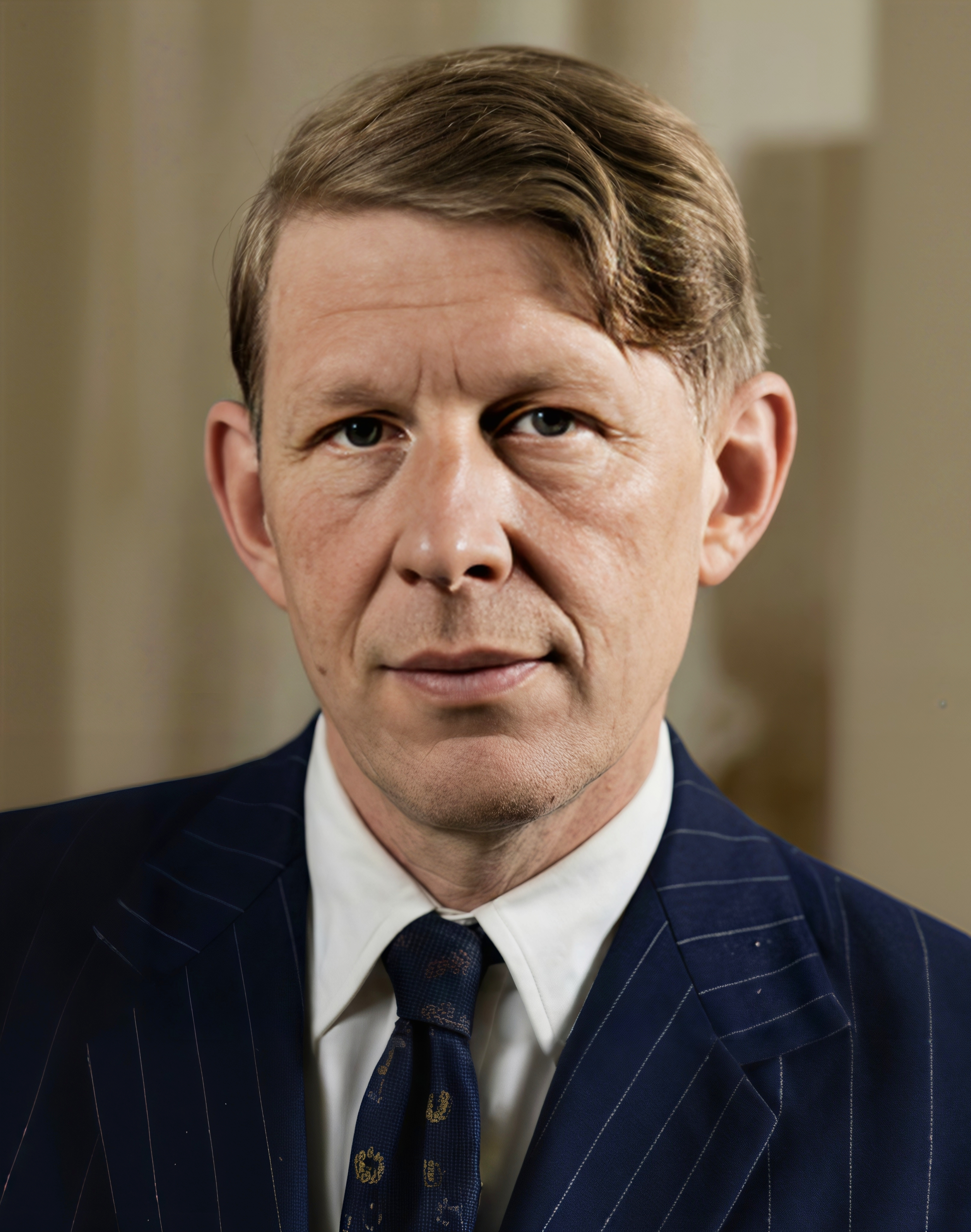
Wystan Hugh Auden (1907–1973) was one of the 20th century’s most influential and versatile poets. A formidable literary figure, he was renowned for his technical virtuosity, intellectual engagement with politics and psychology, and his profound moral vision.
Early Life and Education
Birth and Background: Auden was born on February 21, 1907, in York, England, and grew up in Birmingham. His father, George Auden, was a distinguished doctor and medical officer, and his mother, Constance Rosalie, was a highly religious and intellectual woman. This family environment fostered Auden’s lifelong interest in science, medicine, and theology.
Early Interests: Initially, Auden was fascinated by geology, a subject that would later influence his poetry through its use of landscape, stratification, and impersonal scientific language. He discovered his passion for poetry around the age of 15.
Education: Auden attended Gresham’s School and later Christ Church, Oxford (1925–1928), where he studied English. At Oxford, he quickly became the central figure of an emerging group of left-leaning writers known as the “Auden Group,” which included Stephen Spender, C. Day-Lewis, and Louis MacNeice.
The 1930s: Political Engagement and Early Fame
The 1930s were Auden’s most politically engaged period, shaped by the Great Depression, the rise of fascism, and the threat of war.
Teaching and Travel: After Oxford, Auden spent a year in Berlin (1928–1929), which profoundly influenced his political consciousness and his exploration of identity and sexuality. Upon returning, he worked as a schoolmaster for several years, which gave him material for his early, socially critical verse.
Early Works: His first major collection, Poems (1930), established him as a leading voice of his generation. His work in this era was often characterized by Marxist and Freudian theory, featuring themes of psychological guilt, class conflict, and social responsibility.
Commitment to the Left: Auden sought to involve himself directly in the political struggles of the time. He traveled to the Spanish Civil War in 1937, hoping to drive an ambulance, and wrote the famous poem “Spain” (1937), though he later grew disillusioned with the political fervor of the Left.
Marriage of Convenience: In 1935, Auden entered a marriage of convenience with Erika Mann (daughter of novelist Thomas Mann) to provide her with British citizenship, enabling her to escape the Nazi regime. Auden was openly gay throughout his life.
Emigration and The American Period
In January 1939, Auden emigrated to the United States with his friend and collaborator Christopher Isherwood, an event that marked a significant pivot in his life and work.
The Move: The move was controversial in Britain, as it coincided with the outbreak of World War II, leading some critics to brand him a coward. However, Auden felt that a European artist could no longer function effectively under the moral and political pressures of the collapsing continent.
Relationship with Chester Kallman: Shortly after arriving in New York, Auden met the young poet Chester Kallman, who became his lifelong partner, though their relationship was often tumultuous. Kallman had a profound effect on Auden’s life and artistic output.
Spiritual and Moral Focus: The American period (1939–1972) saw Auden abandon his earlier Marxist and Freudian attachments. He returned to the Anglican Church (though his faith was highly individual) and became deeply concerned with theological and moral questions.
Major American Works: This period produced some of his greatest works, often blending formal complexity with profound moral themes:
The Double Man (1941)
For the Time Being (1944)
The Age of Anxiety (1947), a long poem that won him the Pulitzer Prize and gave the era its name.
Nones (1951)
Later Career and Legacy
Auden’s later career was defined by academic teaching, critical honesty, and formal mastery.
Professorships: He taught at several American universities, including the University of Michigan and Swarthmore College.
Professor of Poetry at Oxford (1956–1961): He held the prestigious position of Professor of Poetry at his alma mater, serving for a full five-year term, dividing his time between the US and the UK.
Retirement to Austria and Oxford: From 1958 onward, he spent summers in a cottage in Kirchstetten, Austria. In 1972, he finally returned to Oxford to live in a cottage provided by Christ Church.
Death: Auden died suddenly in Vienna on September 29, 1973, shortly after giving a poetry reading.
Enduring Legacy
W. H. Auden is celebrated for his vast range of styles and his ability to master nearly every poetic form, from sonnets and villanelles to hymns and blues. His most enduring contribution lies in his shift from politically charged social critique to a deep, mature exploration of love, faith, morality, and the individual’s psychological struggle in the modern, industrialized world. His poem, “In Memory of W. B. Yeats,” remains a foundational text in 20th-century literature, defining the purpose of poetry as a tool for moral affirmation rather than political change.
Word Meaning
| Tough Word | Meaning in English | Meaning in Hindi |
| Disappeared | Vanished; ceased to be visible. | ग़ायब हो गए |
| Brooks | Small streams. | छोटी नदियाँ |
| Deserted | Empty of people. | वीरान |
| Disfigured | Spoiled the appearance of; defaced. | विकृत कर दिया |
| Mercury | The metallic element in a thermometer; quicksilver. | पारा |
| Instruments | Tools or devices used to measure things. | उपकरण |
| Illness | A state of being sick or unwell; sickness. | बीमारी |
| Wolves | Wild carnivorous mammals (representing wild nature). | भेड़िये |
| Evergreen | Retaining green leaves throughout the year. | सदाबहार |
| Peasant | A poor smallholder or agricultural worker; humble. | किसान (साधारण) |
| Untempted | Not lured or attracted. | अलुभाया हुआ |
| Fashionable | Conforming to popular style; stylish. | फैशनेबल / प्रचलन में |
| Quays | Stone or metal platforms alongside water for loading and unloading ships; docks. | घाट |
| Mourning | Expressing sorrow for someone’s death. | शोक |
| Rumours | Gossip or unverified information. | अफवाहें |
| Provinces | Regions or territories; parts of the body. | प्रान्त / शरीर के अंग |
| Revolted | Rose up in rebellion; failed or turned against. | विद्रोह कर दिया |
| Invaded | Entered a place with force or as an unwelcome presence. | आक्रमण कर दिया |
| Suburbs | The outer districts of a city; peripheral parts. | उपनगर |
| Scattered | Dispersed or spread widely; distributed. | बिखेर दिया गया |
| Unfamiliar | Not known or recognized. | अपरिचित |
| Affections | Feelings of liking or loving; emotions or feelings. | भावनाएँ / अनुराग |
| Code of Conscience | A set of moral rules or principles. | नैतिक संहिता |
| Modified | Changed in form or character; altered. | संशोधित |
| Guts | The intestines; figurative for deep, instinctual feelings. | आँतें / अंतरात्मा |
| Brokers | Agents who buy and sell goods or assets for others. | दलाल |
| Bourse | A European stock exchange. | स्टॉक एक्सचेंज |
| Accustomed | Customary or usual; used to something. | अभ्यस्त |
| Cell | A small room where a prisoner is locked up; self-imprisonment. | कारागार / कोठरी |
| Convinced | Completely certain about something. | आश्वस्त |
| Slightly | To a small degree; a little. | थोड़ा सा |
| Silly | Having or showing a lack of sense or judgment; foolish. | मूर्खतापूर्ण |
| Decay | The process of rotting or decomposition; physical deterioration. | क्षय / सड़ाव |
| Parish | An area committed to a particular minister; community. | पल्ली / समुदाय |
| Executives | People with managerial or decision-making power. | अधिकारी |
| Tamper | To interfere with something in order to cause damage or make unauthorized changes. | छेड़छाड़ करना |
| Ranches | Large farms, especially in the US, for raising livestock. | बड़ा खेत |
| Isolation | The state of being separate from others; solitude. | अलगाव |
| Griefs | Intense sorrow or distress. | दुख / शोक |
| Vessel | A container; the human body as a container. | पात्र / बर्तन |
| Emptied | Drained of contents. | खाली कर दिया |
| Nightmare | A terrifying or distressing dream; a frightening situation. | बुरा सपना / भयावह स्थिति |
| Sequestered | Isolated and hidden away; secluded. | अलग-थलग |
| Disgrace | Loss of reputation or respect; shame. | अपमान / शर्म |
| Pity | Compassion or sympathy for suffering. | दया |
| Unconstraining | Not restricting or limiting; free. | अनियंत्रित |
| Persuade | To convince someone to do or believe something. | मनाना / राजी करना |
| Farming | The activity of working the land; hard work. | खेती |
| Vineyard | A plantation of grapevines; a source of joy. | अंगूर का बगीचा |
| Curse | Deep suffering or trouble. | अभिशाप |
| Unsuccess | Lack of success; failure. | असफलता |
| Rapture | Intense pleasure or joy; ecstasy. | परमानंद |
| Distress | Extreme anxiety, sorrow, or pain. | पीड़ा / संकट |
| Deserts | A barren area of land; spiritual emptiness. | रेगिस्तान |
| Healing | The process of becoming sound or healthy again. | उपचार / आरोग्य |
| Fountain | A source of water; a source of renewal. | फव्वारा |
| Prison | A building where people are confined; confinement. | जेल / कारागार |
| Praise | Express approval or admiration; to worship or glorify. | स्तुति करना |
Themes
Art’s Paradoxical Power
This theme addresses Auden’s central intellectual thesis on the nature of poetry. He asserts that art is entirely separate from the world of political and economic action, leading to the famous statement in Part II: “For poetry makes nothing happen.” This is not a lament, but a critical observation. Auden deliberately places this weak, non-instrumental nature of poetry against the immense, destructive forces of the modern world—the “roaring” brokers on the Bourse and the impending war, symbolized by the “dogs of Europe bark[ing].”
This very impotence, however, becomes poetry’s enduring strength. Because poetry lacks instrumental value, it escapes the corrupting influence of power. It is ignored by “executives” who “would never want to tamper” with it, leaving it free to survive “In the valley of its making.” Therefore, poetry is weak in the ephemeral domain of politics but omnipotent in the eternal sphere of the human spirit. It survives not as a weapon, but as a permanent “mouth,” a voice for humanity’s deepest truths.
The Poet’s Enduring Legacy
The poem meticulously charts the transformation of W. B. Yeats from a flawed, mortal man to an immortal, depersonalized cultural legacy. This process begins with the physical dissolution described through the metaphor of a collapsing state: “The provinces of his body revolted.” The individual identity culminates in the critical moment where “he became his admirers.”
Once dead, the poet’s self is shattered and dispersed: “Now he is scattered among a hundred cities.” This symbolizes the widespread presence of his work and reputation. Crucially, this legacy is uncontrollable. His poems are “wholly given over to unfamiliar affections”—the unpredictable, subjective emotions of readers—and he is judged “under a foreign code of conscience.” The powerful image of the words being “modified in the guts of the living” underscores the theme that the poem now lives not as the author intended, but as the reader instinctively interprets and changes it.
Indifference and Global Hate
Auden uses the death of Yeats as a foil against which to judge the moral condition of the world in 1939. In Part I, the world demonstrates mundane indifference: the “dead of winter” and “frozen brooks” symbolize nature’s apathy, and the financial world is consumed by the chaotic noise of the stock market. The general public regards the event as merely “something slightly unusual.”
In Part III, this indifference hardens into deep moral corruption. The political landscape is labeled the “nightmare of the dark,” characterized by widespread “Intellectual disgrace”—the failure of reason and ethics. Nations are depicted as being “sequestered in its hate,” isolating themselves with destructive malice. This spiritual freezing is powerfully summarized by the image that “the seas of pity lie / Locked and frozen in each eye,” signifying a collective human failure of compassion.
Poetry as Spiritual Renewal
This theme addresses the ultimate utility of poetry: its ability to provide sustenance and hope in a world defined by suffering. Auden does not suggest art should ignore pain; rather, it must confront it. The instruction is to use the dedicated craft of writing—”the farming of a verse”—to redeem suffering. This is expressed through the agricultural metaphor: the poet must “Make a vineyard of the curse.” The “curse” represents human failure and pain, which is transformed into the “vineyard,” a symbol of joy, fertility, and spiritual drink.
Furthermore, poetry is essential for healing the soul. It must cause the “healing fountain start” in the “deserts of the heart.” This vivid water imagery counteracts the pervasive symbolism of coldness and dryness (“frozen brooks,” “frozen pity”), asserting that art is the source of emotional and moral replenishment necessary to sustain humanity.
Affirmation Within Confinement
The poem’s conclusion defines the final, ethical role of the poet as a teacher of moral freedom. Auden frames the human condition as one of inevitable limitation, captured by the metaphor: “In the prison of his days.” This “prison” includes mortality, historical circumstance, and the rigid confines of daily routine.
The goal, therefore, is not a naive escape from this prison, but the attainment of spiritual liberation within it. The poet’s voice is commanded to “Teach the free man how to praise.” The “free man” is one who has been taught by poetry to affirm and celebrate life’s essential worth and beauty, despite being fully aware of the tragedy and suffering that constitutes the “prison.” The act of “praise” becomes the final, most courageous, and most necessary moral choice for survival.
Very Short Answer Questions
In what season did the poet disappear?
The dead of winter.
What part of the body metaphorically “revolted” at the moment of death?
The provinces of his body.
What does the mercury sinking in the “mouth of the dying day” primarily use?
Personification.
Who is the poet said to have “become” after his death?
His admirers.
What common natural feature was “untempted by the fashionable quays”?
The peasant river.
What emotion are the living nations “sequestered in”?
Hate.
What political term does Auden use to describe the world’s moral condition?
Intellectual disgrace.
What animal do the brokers on the Bourse roar like?
Beasts.
What image symbolizes the lack of compassion in the third part?
The seas of pity lie locked and frozen.
What kind of forest did the wolves run through?
Evergreen forests.
What did Auden famously state poetry makes nothing happen to?
Politics or immediate worldly events.
What metaphor does Auden use for the source of poetry in Ireland?
Mad Ireland hurt you into poetry.
What is the rhythm/form used in the final part (Part III) of the poem?
Formal quatrains with AABB rhyme scheme.
Where does poetry survive, untouched by “executives”?
In the valley of its making.
What is the human body metaphorically described as in Part III?
The Irish vessel.
What does the poet’s voice guide humanity to the “bottom” of?
The night.
What does the poet make a “vineyard” of?
The curse.
What human quality is the poet commanded to sing of in “rapture”?
Human unsuccess.
Where is the “healing fountain” commanded to start?
In the deserts of the heart.
What is the final, ultimate lesson the “free man” is taught?
How to praise.
Short Answer Questions
How does Auden use the initial imagery of “dark cold day” and “frozen brooks” to establish the theme of the world’s indifference to the poet’s death, and how is this reinforced by the mention of “instruments”?
Auden immediately strips the death of Yeats of any romantic grandeur by describing it with stark, objective imagery. The “dark cold day” and the frozen, immobile “brooks” symbolize a world whose natural cycle has stopped or refused to acknowledge the event. This indifference is amplified by the final couplet of the section, where “instruments” (thermometers, barometers) are cited as the ultimate witnesses. By consulting scientific tools rather than human emotion, Auden suggests that the poet’s death is merely a quantifiable, mundane fact of nature, reinforcing the theme that even the greatest cultural event is insignificant to the uncaring cosmic order.
Explain the extended metaphor in Part I where Auden compares the dying poet to a collapsing political or urban entity, focusing on the lines about “provinces,” “squares,” and “suburbs.”
Auden employs an extended metaphor where the poet’s self is likened to a city or a political state undergoing systemic failure. “The provinces of his body revolted” suggests the various organs and physiological systems are failing the central command of the self, much like regions rebel against a weak government. The “squares of his mind were empty” refers to the cessation of conscious, public thought and intellectual life—the city’s centers of debate and action. Finally, “Silence invaded the suburbs” signifies the creeping loss of peripheral awareness and consciousness. This metaphor elevates the personal act of dying into a grand, structural collapse, preparing the reader for the public nature of his legacy.
Discuss the meaning and implication of Auden’s famous declaration, “For poetry makes nothing happen.” How does this statement define poetry’s true value for Auden?
Auden’s declaration, “For poetry makes nothing happen,” is a frank admission of poetry’s political impotence. It means that art cannot directly halt fascism, feed the poor, or prevent a war; it has no transactional power in the world of commerce or politics. However, this statement is not despairing; it is an assertion of poetry’s freedom. Since executives and powerful people ignore it, poetry is left alone, surviving “in the valley of its making.” Its true value lies in its durability and its ability to function as a permanent, honest voice, not as a weapon or a tool for immediate change.
In Part III, what is the ultimate moral command Auden issues to the poet’s enduring voice, and how does the imagery of the “vineyard” and the “curse” illustrate this command?
The ultimate moral command is for poetry to guide humanity toward spiritual renewal and affirmation. The voice is told to “Follow… To the bottom of the night” to confront the deepest despair. The method for this guidance is explained through the agricultural metaphor: the poet must use the “farming of a verse” to “Make a vineyard of the curse.” The “curse” symbolizes the world’s pain, political hatred, and human unsuccess. The “vineyard” represents spiritual sustenance and joy. Thus, the command is to take raw suffering and, through the disciplined craft of art, transform it into something life-giving that allows humanity to praise life despite its limitations.
Analyze the significance of the final couplet: “In the prison of his days / Teach the free man how to praise.” What specific contrast is Auden making, and what is the final, liberated act of the human spirit?
The final couplet encapsulates the poem’s moral conclusion. The “prison of his days” is a metaphor for the inescapable limitations of human existence: mortality, routine, physical decay, and historical circumstance. This “prison” is universal. The “free man” is not someone who has escaped these limitations, but one who is psychologically and spiritually liberated within them. The poet’s voice provides this liberation by teaching humanity the crucial, difficult act of “praise,” which is the affirmation of life’s worth and beauty despite the pain. The final act is not escape, but a courageous moral and spiritual acceptance.
Essay Type Questions
How does Auden chart the process by which the poet William Butler Yeats transforms from a mortal man into a scattered, immortal, and ultimately uncontrollable artistic legacy in Part I of the elegy?
Auden uses Part I of the poem to systematically dismantle the singular, living identity of W. B. Yeats and establish the nature of his post-mortem existence. The transformation begins with the metaphor of the collapsing state. When death arrives, the poet’s self is described as a political entity under siege: “The provinces of his body revolted,” “The squares of his mind were empty,” and “Silence invaded the suburbs.” This geopolitical imagery elevates the personal event of biological failure to a grand, structural collapse, signifying that the man who had grown into a national institution was dissolving. This is a crucial step, as it separates the fallible man from the enduring art.
This dissolution culminates in the powerful, paradoxical statement: “the current of his feeling failed; he became his admirers.” At the moment of death, the individual consciousness is extinguished, and the poet is instantaneously transferred from being a private person with his own intentions to a public entity whose meaning is held by the collective. This theme is expanded in the following stanza, where the now-dead poet “is scattered among a hundred cities.” The single physical body is replaced by a ubiquitous, diffused presence in the cultural sphere, spread across geographical locations through his reputation and his printed works.
The final step in this transformation is the loss of control over his own creation. The dispersed legacy is “wholly given over to unfamiliar affections,” meaning his poetry is now subject to the highly subjective and varied emotional responses of countless strangers. He is now “punished under a foreign code of conscience,” indicating that future generations will judge his work by standards (political, moral, or social) that he did not foresee or intend. The ultimate, visceral image of this loss of control is that “The words of a dead man / Are modified in the guts of the living,” emphasizing that his poetry is not passively received but actively changed by the reader’s deep, instinctive, and personal experience.
Therefore, the movement of Part I is from a dying man surrounded by “nurses and rumours” to a depersonalized, global phenomenon. Auden argues that the true “immortality” of the poet is not a heavenly reward, but a complete surrender of individual selfhood to the unpredictable, collective will of the public who consumes and reinterprets his work forever.
Analyze Auden’s famous thesis that “poetry makes nothing happen” in the context of the political landscape described in the poem, and explain how this supposed weakness paradoxically becomes poetry’s enduring strength.
Auden’s assertion, “For poetry makes nothing happen,” delivered in Part II, is the intellectual core of the elegy and represents a sharp break from the belief that art must serve an immediate political or didactic purpose. Written on the eve of World War II (1939), the poem places this statement against a backdrop of escalating catastrophe: “In the nightmare of the dark / All the dogs of Europe bark,” and nations are “sequestered in its hate.” Auden highlights the complete failure of human intellect and morality, symbolized by “Intellectual disgrace,” to prevent the impending war. In this environment, any claim that a poem, even one by a giant like Yeats, could halt the tanks or change a government’s policy is dismissed as naive romanticism. Auden even notes that Yeats’s lifetime effort did not change his homeland: “Now Ireland has her madness and her weather still.”
However, Auden immediately pivots, arguing that this impotence is the very source of poetry’s freedom and strength. Because poetry lacks instrumental utility—it cannot be monetized by brokers or weaponized by politicians—it is ignored by the powers that dominate the modern world. It survives “In the valley of its making where executives / Would never want to tamper.” This detachment from the urgency of commerce and politics protects poetry from being corrupted by fleeting ideologies.
The “nothing” that poetry makes happen in the political realm is contrasted with the immense transformation it effects in the ethical and spiritual realm. Poetry survives not as a force of command, but as a source of sustenance, flowing from the “ranches of isolation and the busy griefs.” Its enduring strength is its ability to speak directly to the individual human heart. It does not dictate action but provides a continuous voice, “a way of happening, a mouth,” through which the complex, enduring truths of the human condition are expressed and processed.
Therefore, the poem redefines the role of art: poetry is weak in the world of action, but omnipotent in the domain of consciousness. It survives because it exists outside the temporal, chaotic sphere of power, allowing it to perform its essential, eternal function of moral and spiritual guidance.
Analyze the final command given to the poet’s voice in Part III, focusing on the metaphorical language of aridity, agriculture, and confinement used to define poetry’s redemptive task.
The conclusion of “In Memory of W. B. Yeats” is not a lament but a powerful, ethical imperative that defines the supreme function of poetry. Auden issues a four-fold command to the enduring spirit of Yeats’s verse, which must act as a moral guide in the face of the modern world’s spiritual collapse.
Firstly, the task is defined by spiritual transformation using agricultural metaphor. The voice is commanded to use “the farming of a verse / Make a vineyard of the curse.” The “curse” represents the collective human suffering, political hatred, and failure detailed earlier. The “farming” is the hard, disciplined work of artistic craft, which is required to transform the raw material of pain into the “vineyard,” a symbol of spiritual sustenance, joy, and affirmation. This is the poet’s unique redemptive power: creating beauty and meaning from destruction.
Secondly, the command addresses spiritual renewal using water imagery. In the “deserts of the heart,” which symbolize the emotional barrenness and moral aridity caused by pervasive suffering and hate, the poetry must cause the “healing fountain start.” This metaphor casts poetry as a life-giving, almost miraculous force capable of restoring empathy and hope in a world where “the seas of pity lie / Locked and frozen in each eye.”
Finally, the instruction confronts the human condition of confinement. The life of every person is defined as a “prison of his days,” a metaphor for the inescapable boundaries of mortality, time, and circumstance. The ultimate lesson of the poet is to “Teach the free man how to praise.” The true “freedom” is not escape from the prison, but a state of spiritual liberation achieved through the act of affirming life’s value. Auden thus makes the ethical instruction—the teaching of praise—the highest, most essential, and most difficult achievement of enduring poetry.
Critical Analysis
Introduction
Auden wrote this poem immediately after the death of William Butler Yeats in January 1939, just as the European political climate was reaching its boiling point. This historical setting, a Europe consumed by political crisis and hatred, lends the poem its chilling urgency and moral seriousness. Auden honors Yeats not by blindly praising him, but by transforming the traditional elegy into a work that challenges the Romantic notion of the poet’s power, demanding honesty and moral clarity in the face of imminent global catastrophe.
Central Idea
The core argument of the poem is a powerful paradox: Poetry’s true, lasting strength is rooted in its utter political weakness. Auden asserts that poetry is useless in the world of material action—it cannot stop wars or influence markets. This lack of practical power, however, shields it from the corruption that taints politics and commerce. By remaining ignored by the world’s power players, art preserves its freedom and its pure, ethical authority. It is the only thing left to heal a spiritually broken world.
Summary
The poem is structured in three contrasting movements:
Part I (The Factual Death): This section describes the clinical, unemotional fact of Yeats’s death on a cold, indifferent day, noted only by the scientific “instruments.” The world, consumed by commerce (“the brokers are roaring”), ignores the event. The dying man’s identity is transferred to his “admirers,” meaning his words are now scattered, owned, and controlled by the public’s subjective feelings, with his words being “modified in the guts of the living.”
Part II (The Poetic Thesis): Auden addresses Yeats directly, acknowledging his flaws (“You were silly like us”), but asserting that his “gift survived it all.” This is where Auden delivers the central thesis: “For poetry makes nothing happen.” However, he argues that this uselessness allows poetry to survive freely, flowing from the sources of human suffering and isolation (“the busy griefs”).
Part III (The Moral Imperative): This final section takes on a formal, prophetic tone. It contrasts Yeats’s peace with the world’s deep moral failure: “Intellectual disgrace” and nations “sequestered in its hate.” The poet’s immortal voice is then commanded to transform suffering (“Make a vineyard of the curse”) and to teach the necessary, final lesson of affirmation: “Teach the free man how to praise.”
Structure & Rhyme Scheme
Auden’s masterful use of form is deliberate, reinforcing the poem’s intellectual argument:
Part I (The Factual): Predominantly free verse and irregular stanzas. The structure is loose and prosaic, reflecting the chaotic, objective reality of the world and the clinical tone.
Part II (The Argumentative): A single, long stanza in unrhymed free verse. This structure allows for complex philosophical analysis and conversational honesty, fitting the critique of art’s social role.
Part III (The Ceremonial): A dramatic shift to short, formal quatrains with a strict AABB rhyme scheme. This musical and formal structure (resembling a hymn or chant) lends the conclusion a powerful sense of ritual, moral authority, and final urgency.
Theme
Art’s Paradoxical Power
The central theme is the idea that poetry is politically and materially useless (“poetry makes nothing happen”), but this very impotence secures its freedom and spiritual endurance. Because it is ignored by those who seek worldly power, it survives as a pure, continuous voice for humanity, untainted by corruption.
Mortality and Dispersed Legacy
This theme contrasts the limited life of the mortal man with the immortality of his work. Upon death, the poet’s individual self dissolves, and “he became his admirers.” His poems are scattered globally, their meaning no longer controlled by the author but actively “modified in the guts of the living.”
Indifference and Moral Decay
Auden uses the death as a backdrop to critique the moral condition of the world. He notes both the cold, factual indifference of nature and the deeper, spiritual decay of humanity, characterized by political hatred and a lack of empathy, where “the seas of pity lie / Locked and frozen.”
Poetry as Spiritual Renewal
The poem defines art’s purpose as an act of transformation and healing. The poet’s voice is commanded to use the craft of verse to take human suffering (“the curse”) and convert it into spiritual sustenance and joy (“a vineyard”), thereby restoring hope to the “deserts of the heart.”
Affirmation Within Confinement
The final theme presents the ultimate ethical lesson. Auden frames human life as a “prison of his days” (bound by mortality and circumstance). The poet’s voice provides the spiritual liberation necessary to look at suffering and still choose the courageous moral act of affirmation: to “Teach the free man how to praise.”
Style
Auden’s style is marked by intellectual precision and rhetorical force:
Mixed Diction and Tone: Auden blends formal, elevated language (e.g., “Intellectual disgrace”) with clinical terms (“instruments,” “mercury”) and colloquial honesty (“silly like us”), creating a complex, modern tone.
Rhetorical Shifts: The abrupt change from the objective tone of Part I to the prophetic tone of Part III is crucial, forcing the reader to move from detached observation to urgent moral acceptance.
Visceral Imagery: He uses striking images to ground abstract ideas, such as the words being “modified in the guts of the living.”
Poetic Devices
Part I:
Personification: Auden gives human qualities to abstract concepts, such as when he describes the “dying day” whose “mouth” the mercury sank in. This emphasizes the cold finality and universal scope of the death.
Zoomorphism: This device is used to critique the chaotic commercial world when he describes “the brokers are roaring like beasts on the floor of the Bourse,” comparing the frantic pursuit of money to savage, uncivilized animal behavior.
Metaphor (Extended): The body’s final failure is metaphorically compared to a political state collapsing. The “provinces of his body revolted” and the “squares of his mind were empty,” elevating the physical event to a grand, structural failure.
Part II:
Apostrophe: Auden uses direct address to the deceased poet: “You were silly like us; your gift survived it all…” This allows the critique to be personal, intimate, and honest, avoiding typical elegiac distance.
Paradox/Aphorism: The central intellectual statement is the paradoxical observation: “For poetry makes nothing happen.” This stresses that poetry’s political uselessness is actually its core strength, securing its ethical and spiritual survival outside of the temporal world.
Part III:
Metaphor (Transformation): This is the poem’s core redemptive image. Auden commands the poet’s voice to use the “farming of a verse” to “Make a vineyard of the curse.” The “curse” (human suffering) is transformed into the “vineyard” (spiritual sustenance and joy).
Metaphor (Healing): The need for emotional restoration is captured by contrasting spiritual barrenness (“deserts of the heart”) with the restorative power of art (“Let the healing fountain start”).
Metaphor (Confinement): The human condition is defined as being trapped “In the prison of his days.” This symbolizes the inevitable limitations of mortality, time, and circumstance that poetry must help the soul overcome.
Critical Commentary
Auden’s elegy is praised for its unflinching honesty and realism. It is considered a landmark work because it shattered the 19th-century Romantic tradition of the elegy, refusing to sentimentalize the poet or his art. The poem’s structural evolution is highly admired, functioning as a powerful rhetorical mechanism. By stripping art of false political power, Auden successfully locates its true, enduring value in its capacity to serve as a perpetual voice for human spiritual life.
Message
The ultimate message is an ethical imperative. Auden teaches that poetry’s final, necessary duty is not to change the world’s structures, but to change the individual heart. It provides the means for spiritual survival, compelling the individual, trapped by mortality and global chaos, to perform the supreme act of moral freedom: to “Teach the free man how to praise.”
Conclusion
“In Memory of W. B. Yeats” is a masterpiece because it synthesizes intellectual rigor with profound lyrical force. Auden transforms a traditional tribute into a manifesto for modern art, asserting that while the world may fall apart, the human spirit, sustained by the honest and enduring voice of poetry, retains the power of affirmation.