
After Apple-Picking
(Robert Frost)
My long two-pointed ladder’s sticking through a tree
Toward heaven still,
And there’s a barrel that I didn’t fill
Beside it, and there may be two or three
Apples I didn’t pick upon some bough.
But I am done with apple-picking now.
Essence of winter sleep is on the night,
The scent of apples: I am drowsing off.
I cannot rub the strangeness from my sight
I got from looking through a pane of glass
I skimmed this morning from the drinking trough
And held against the world of hoary grass.
It melted, and I let it fall and break.
But I was well
Upon my way to sleep before it fell,
And I could tell
What form my dreaming was about to take.
Magnified apples appear and disappear,
Stem end and blossom end,
And every fleck of russet showing clear.
My instep arch not only keeps the ache,
It keeps the pressure of a ladder-round.
I feel the ladder sway as the boughs bend.
And I keep hearing from the cellar bin
The rumbling sound
Of load on load of apples coming in.
For I have had too much
Of apple-picking: I am overtired
Of the great harvest I myself desired.
There were ten thousand thousand fruit to touch,
Cherish in hand, lift down, and not let fall.
For all
That struck the earth,
No matter if not bruised or spiked with stubble,
Went surely to the cider-apple heap
As of no worth.
One can see what will trouble
This sleep of mine, whatever sleep it is.
Were he not gone,
The woodchuck could say whether it’s like his
Long sleep, as I describe its coming on,
Or just some human sleep.
After Apple-Picking Summary
Robert Frost’s “After Apple-Picking” was first published in 1914 as part of his second poetry collection, North of Boston. This slim volume, released by the London-based publisher David Nutt (with a simultaneous U.S. edition by Henry Holt and Company in 1915), marked Frost’s breakthrough in the literary world.
The poem is about a man who has been busy picking apples all day. His ladder is still leaning against the tree, some apples are left on the branches, and one barrel is not filled. But he feels too tired to continue. The work he once wished for has now become too much for him.
As night comes, he feels sleepy. The air carries the smell of apples, which makes him even more drowsy. He remembers holding a thin sheet of ice in the morning, looking through it, and seeing the world in a strange way. Just like that, now his vision and mind are blurred as he slips between waking and dreaming.
In his half-dream, he continues to see apples—big and clear, every detail sharp. He still feels the ache in his foot from standing on the ladder and hears the rumbling sound of apples being stored in the cellar.
Although he once desired a big harvest, the endless work has made him overtired. He is also troubled by the thought that the apples that fell to the ground were considered worthless and sent to the cider heap.
In the end, he wonders about the kind of sleep awaiting him. Is it simple human sleep after hard work, or something deeper, like the woodchuck’s hibernation—a long, possibly death-like rest?
So, the poem is not only about apple-picking but also about human life: our work, our desires, our tiredness, and the mystery of rest and death.
After Apple-Picking Analysis
My long two-pointed ladder’s sticking through a tree
Toward heaven still,
And there’s a barrel that I didn’t fill
Beside it, and there may be two or three
Apples I didn’t pick upon some bough.
But I am done with apple-picking now.
Reference to Context:
These lines are from the beginning of Robert Frost’s poem After Apple-Picking (1914), published in his collection North of Boston. Here the poet sets the scene: a farmer, after spending the whole season picking apples, looks at his unfinished work and reflects on his tiredness. The ladder, barrel, and unpicked apples are real images from apple-picking, but they also symbolize human effort, unfulfilled desires, and life’s incompleteness. This opening shows that even when much has been achieved, some things always remain unfinished, and it prepares us for the deeper themes of sleep, dreams, and even death.
Explanation:
“My long two-pointed ladder’s sticking through a tree / Toward heaven still,”
The poet describes his ladder resting against the apple tree. Literally, it is stuck there, reaching upwards. Symbolically, the ladder going “toward heaven” suggests human hopes and ambitions — always reaching higher, perhaps even hinting at the journey toward death and the afterlife.
“And there’s a barrel that I didn’t fill / Beside it,”
On the ground, a barrel remains unfilled. This shows unfinished work — not all apples have been gathered. It suggests that no matter how hard we work, something always remains incomplete in life.
“and there may be two or three / Apples I didn’t pick upon some bough.”
A few apples are still left hanging on the branches. The farmer admits this casually, but it shows how small imperfections remain in every human effort. The “two or three apples” represent chances or tasks left behind.
“But I am done with apple-picking now.”
Here the farmer declares that he has finished, not because every apple is gathered, but because he is exhausted. The word “done” carries both meanings: finished with the work, and tired to the point of giving up.
This opening paints a picture of both real farm work and symbolic meaning. The ladder, barrel, and apples are part of apple-picking, but they also stand for human striving, incomplete achievements, and the limits of effort. The stanza sets the mood of the poem: a mixture of satisfaction, regret, and tired resignation as the speaker prepares for rest.
Poetic devices:
Imagery
In “My long two-pointed ladder’s sticking through a tree / Toward heaven still,” Frost uses strong visual imagery. The ladder seems to pierce the sky, creating a striking picture that blends everyday farm labor with a sense of spiritual striving or transcendence.
Metaphor
The ladder “toward heaven” is a metaphor for human striving and also hints at death (heaven as final destination).
Apple-picking is a metaphor for life’s work, responsibilities, and achievement
Enjambment
The flow of lines without pause, as in “tree / Toward heaven still” and “fill / Beside it”, creates momentum and a sense of imbalance. This mirrors both the physical sway of the ladder and the speaker’s unsteady drift toward sleep.
Symbolism
The ladder: more than just a farm tool, it symbolizes aspiration and human effort. Its direction “toward heaven” suggests spiritual longing or life’s journey toward death.
The barrel not filled and apples unpicked symbolize unfinished tasks or incomplete desires in life.
Apple-picking itself is a metaphor for human labor, ambition, and the fruits (or burdens) of life.
Personification
The ladder is described as “sticking through a tree / Toward heaven still.” By giving the ladder the quality of “sticking” willfully, Frost personifies it, making it feel alive. This reflects how the work itself seems to cling to the speaker, refusing to let go.
Essence of winter sleep is on the night,
The scent of apples: I am drowsing off.
I cannot rub the strangeness from my sight
I got from looking through a pane of glass
I skimmed this morning from the drinking trough
And held against the world of hoary grass.
It melted, and I let it fall and break.
Reference to Context:
These lines are from Robert Frost’s After Apple-Picking (1914), right after the speaker says he is “done” with the harvest. Here the poem shifts from the real scene of apple-picking to a dream-like, almost surreal mood. The speaker, surrounded by the smell of apples and the cold air of approaching winter, begins to drift toward sleep. The description of looking through a sheet of ice turns into a symbol: ordinary sights (frosty grass, morning water) appear strange and distorted, showing how tiredness and drowsiness blur the boundary between waking life and dreams.
Explanation:
“Essence of winter sleep is on the night,”
The evening carries the feeling of deep winter rest. It’s not just cold — the very air is filled with the quiet, heavy sense of hibernation. This prepares us for the theme of sleep, which may be ordinary rest or the bigger “sleep” of death.
“The scent of apples: I am drowsing off.”
The strong smell of apples, left from the harvest, makes the speaker sleepy. The apples are so closely tied to his labor that even their scent drags him into drowsiness.
“I cannot rub the strangeness from my sight / I got from looking through a pane of glass”
The speaker feels as if his vision is still altered. Earlier that day, he looked at the world through a sheet of ice (a natural “pane of glass”), and the strange impression remains in his eyes. This shows how work and tiredness leave behind effects that do not go away easily.
“I skimmed this morning from the drinking trough / And held against the world of hoary grass.”
He explains the memory: in the morning, he pulled ice from the water trough and held it up against the frosted (“hoary”) grass, like a lens. It made the world look odd and dreamlike.
“It melted, and I let it fall and break.”
The ice did not last — it melted and slipped from his hand, breaking as it fell. This is a quiet symbol of letting go, of things that cannot be held forever. It also reflects the fading of clear sight as he moves deeper into sleep.
It shifts the poem from practical labor to dreamy, symbolic vision. The smell of apples and the memory of distorted sight blur reality, pulling the speaker into a half-sleeping state. It suggests that just as the ice melted, human perception and life itself are temporary — fragile, fleeting, and soon to “break.”
Poetic Device:
Imagery
Frost employs rich multisensory imagery in lines such as “Essence of winter sleep is on the night, / The scent of apples” and “world of hoary grass.” The combination of smell (apple scent), sight (frosty grass), and touch (cold air) creates an immersive haze. This imagery mirrors the speaker’s drowsiness and the chilling presence of winter, drawing the reader into his half-sleep state.
Metaphor
“Essence of winter sleep” → A metaphor for deep drowsiness, possibly symbolic of death or hibernation.
The pane of ice becomes a metaphor for altered vision—seeing the world in a distorted way, like dream vision.
Enjambment
In the lines “I cannot rub the strangeness from my sight / I got from looking through a pane of glass / I skimmed this morning from the drinking trough,” Frost uses long, flowing enjambment. The cascading syntax imitates the melting ice and the speaker’s unstoppable slide into drowsiness. It creates a hypnotic rhythm that delays closure, reinforcing the dreamlike drift.
Personification
The line “I cannot rub the strangeness from my sight” personifies sight as something tangible that resists being cleaned. Similarly, the ice is given agency: “It melted, and I let it fall and break.” The speaker is passive here, surrendering to forces beyond his control, whether winter or exhaustion, which push him further into dream.
Symbolism
Winter sleep symbolizes death or long rest.
Apples continue as symbols of life’s labor, abundance, and memory.
Pane of glass (ice) symbolizes the fragility of human perception—it melts and shatters, like fading consciousness.
But I was well
Upon my way to sleep before it fell,
And I could tell
What form my dreaming was about to take.
Magnified apples appear and disappear,
Stem end and blossom end,
And every fleck of russet showing clear.
My instep arch not only keeps the ache,
It keeps the pressure of a ladder-round.
I feel the ladder sway as the boughs bend.
And I keep hearing from the cellar bin
The rumbling sound
Of load on load of apples coming in.
Reference to Context:
These lines are from the middle of Robert Frost’s After Apple-Picking (1914), right after the speaker lets the sheet of ice fall and break. Here, the farmer admits he was already drifting into sleep, and now his dreams begin to take over. The dream world doesn’t free him from work; instead, it magnifies and repeats the very images, pains, and sounds of apple-picking. This passage is crucial because it shows how labor lingers in the mind and body even after the day is done, and it blurs the line between real exhaustion and dreamlike experience.
Explanation:
“But I was well / Upon my way to sleep before it fell,”
The speaker explains that even before the ice slipped from his hand, he was already falling asleep. He’s so tired that nothing can stop the drift into drowsiness.
“And I could tell / What form my dreaming was about to take.”
He knows his dreams will not be random — they will be shaped by the day’s labor, especially apple-picking. His subconscious is already filled with it.
“Magnified apples appear and disappear, / Stem end and blossom end,”
In his dream, apples grow huge, like images under a magnifying glass. He sees every part — the top (stem end) and the bottom (blossom end). This shows how the work has taken over his imagination.
“And every fleck of russet showing clear.”
Even the smallest details, like reddish-brown spots on the skin of the apples, appear sharp and vivid. His dream is too real, almost like a replay of work rather than restful sleep.
“My instep arch not only keeps the ache, / It keeps the pressure of a ladder-round.”
His foot still remembers the pain and pressure of standing on the ladder’s rung all day. The body holds onto the ache, carrying it into his sleep.
“I feel the ladder sway as the boughs bend.”
In his half-dreaming state, he feels the ladder wobbling again as the tree branches bend under weight. This shows how physical sensations blend into his dream.
“And I keep hearing from the cellar bin”
Finally, sound enters the dream: he hears the rumbling of apples being stored in the cellar. The repetition of “keep hearing” shows it is a constant echo in his mind, a sound he cannot escape.
“The rumbling sound / Of load on load of apples coming in.”
Even in sleep, the speaker hears the continuous rumble of apples being poured into storage. The sound feels endless, as if the work follows him into his dreams, never giving him peace.
This shows how deeply work imprints itself on the worker — on his eyes, ears, body, and even dreams. Instead of peace, sleep brings a haunting replay of the harvest. Frost uses this to explore the larger idea: in life too, our efforts and burdens follow us, even as we approach the “sleep” of death.
Poetic Device:
Imagery
Frost gives us hyper-detailed imagery in “Magnified apples appear and disappear, / Stem end and blossom end, / And every fleck of russet showing clear” and in the “ladder sway as the boughs bend.” The apples loom large and surreal, their smallest spots exaggerated, while the ladder’s sway adds a sense of motion and instability. Together, these create a dreamlike scene that is at once intimate and overwhelming — a fusion of sharp focus and ghostly fading.
Enjambment
The run of lines “But I was well / Upon my way to sleep before it fell, / And I could tell / What form my dreaming was about to take” shows how enjambment mimics the broken rhythm of someone drifting into sleep. The short jolting line “But I was well” feels like half-wakefulness, while the flowing lines mimic the slow slide into dreaming. This structure pulls the reader along, mirroring the speaker’s own descent into drowsiness.
Metaphor
The “instep arch” becomes a metaphor for the body’s memory of toil, carrying the imprint of the ladder-rung like a vault that holds labor’s toll. Meanwhile, the magnified apples are symbols of how ordinary tasks balloon into overwhelming visions in memory or death, representing life’s small details magnified at the edge of consciousness.
Personification
The speaker’s body parts and tools are given agency: the “instep arch… keeps the ache” as if willfully holding pain, and the “ladder sway as the boughs bend” suggests the ladder and trees themselves are alive, moving with memory. This personification makes the farm environment seem to share in the speaker’s dream state.
For I have had too much
Of apple-picking: I am overtired
Of the great harvest I myself desired.
There were ten thousand thousand fruit to touch,
Cherish in hand, lift down, and not let fall.
For all
That struck the earth,
No matter if not bruised or spiked with stubble,
Went surely to the cider-apple heap
As of no worth.
One can see what will trouble
This sleep of mine, whatever sleep it is.
Reference to Context:
These lines are from Robert Frost’s After Apple-Picking (1914), when the speaker reflects on the overwhelming scale of his harvest and the exhaustion that follows. Having dreamed of a “great harvest,” he now feels worn out by it. Even in his drowsy state, he hears the rumble of apples being stored, reminding him that the work never really ends. The passage connects farm life (where fallen apples go to the cider heap) with larger human truths about ambition, failure, and the troubling weight of unfinished or wasted effort.
Explanation:
“For I have had too much / Of apple-picking: I am overtired”
He admits openly that the harvest has become “too much.” Instead of satisfaction, the abundance has left him exhausted and restless.
“Of the great harvest I myself desired.”
Ironically, this is what he had wished for. The “great harvest” was his own ambition, yet now it feels like a burden. This shows the paradox that even our successes can wear us out.
“There were ten thousand thousand fruit to touch,”
The exaggeration (“ten thousand thousand”) stresses the endless labor. Each apple had to be handled carefully, and the sheer number made the task overwhelming.
“Cherish in hand, lift down, and not let fall.”
This line describes the delicate process of picking apples: handle gently, pluck carefully, and don’t drop them. The repetition highlights how tiring such constant care becomes.
“For all / That struck the earth,”
But not every apple was saved. Some fell to the ground, showing that perfection is impossible, no matter how careful he was.
“No matter if not bruised or spiked with stubble, / Went surely to the cider-apple heap / As of no worth.”
Even if those apples looked fine, the rule was harsh: once on the ground, they were considered worthless and sent to the cider heap. This reflects how human mistakes or accidents, even small ones, can devalue hard work.
“One can see what will trouble / This sleep of mine, whatever sleep it is.”
The speaker ends by pointing out that this is why his rest is troubled. Whether it is ordinary sleep or the deeper sleep of death, it will carry the weight of unfinished work, wasted effort, and human limitations.
This stanza captures the heart of Frost’s message: ambition can overwhelm us, success can become a burden, and life is always marked by waste and incompleteness. Even in sleep — or in death — these truths trouble the human spirit.
Poetic Device:
Imagery
Frost overwhelms the senses with auditory and tactile detail. In “The rumbling sound / Of load on load of apples coming in”, the repeated rumble mimics thunder or a machine endlessly working. In contrast, “ten thousand thousand fruit to touch, / Cherish in hand, lift down” paints an intimate, tactile image of handling apples. Together, these lines immerse the reader in the sensory overload of the harvest, moving from cellar echoes to the strained labor of the hand.
Hyperbole
In “There were ten thousand thousand fruit to touch,” Frost exaggerates the number to a cosmic scale. The hyperbole stresses futility: handling each fruit individually becomes impossible. This heightens the theme of human limits in the face of overwhelming abundance.
Symbolism and Irony
The fallen apples, sent “surely to the cider-apple heap / As of no worth,” symbolize squandered potential. There is irony in the fact that apples still usable are treated as worthless, echoing the biblical Fall — where one fruit altered human destiny. The cider heap becomes a graveyard for the imperfect, troubling the speaker’s conscience and sleep.
Personification
The harvest is personified as both desired and punishing: “the great harvest I myself desired” shows it acting like a burden he brought on himself. Similarly, apples “struck the earth… spiked with stubble” are animated in their fall, as if the earth itself wounds them. This personification makes the natural cycle feel judgmental, intensifying the speaker’s complicity and guilt.
Were he not gone,
The woodchuck could say whether it’s like his
Long sleep, as I describe its coming on,
Or just some human sleep.
Reference to Context:
These lines form the closing of Robert Frost’s After Apple-Picking (1914), from his collection North of Boston. After describing his exhaustion from apple-picking, the vivid dream-like visions, and the troubling sense of wasted effort, the speaker finally wonders about the kind of sleep awaiting him. By comparing his own rest to the hibernation of a woodchuck, Frost raises a deep question: is human sleep simple rest, or is it death itself? The ending leaves the poem open-ended, joining the ordinary cycle of nature with the mystery of mortality.
Explanation:
“Were he not gone,”
The speaker imagines that if the woodchuck (a groundhog) were nearby, it could explain what kind of sleep he is about to enter. The phrase suggests absence, loneliness, and the wish for guidance.
“The woodchuck could say whether it’s like his”
Here the woodchuck is personified as if it could “say.” Its sleep is hibernation — a deep, seasonal rest that always ends with waking in spring. Nature’s cycles are certain and predictable.
“Long sleep, as I describe its coming on,”
The speaker compares his own tiredness to that “long sleep.” Just as he has described his drowsiness throughout the poem — the smell of apples, the ache in his feet, the blurred vision — he wonders if his rest is similar to hibernation: temporary, with renewal to follow.
“Or just some human sleep.”
Finally, he admits another possibility: his sleep might be “just” an ordinary human sleep. The word “just” makes it sound casual, but it carries a deeper meaning — it could be the simple sleep of the night, or it could mean death, the final sleep from which there is no waking.
The closing lines balance between nature’s certainty (the woodchuck’s sleep) and human uncertainty (death or ordinary rest). Frost leaves the question unanswered. Instead of giving a clear conclusion, he ends with quiet ambiguity, showing how human beings live between the cycles of nature and the mystery of mortality.
Poetic Device:
Imagery
In “Long sleep, as I describe its coming on,” Frost uses subtle tactile and kinesthetic imagery. The phrase “coming on” conveys the slow creep of drowsiness, like winter frost spreading or sleep pressing down. This grounds the abstract idea of mortality in a sensory experience, contrasting the natural certainty of the woodchuck’s hibernation with the speaker’s human uncertainty.
Personification and Symbolism
The woodchuck is anthropomorphized: “The woodchuck could say whether it’s like his / Long sleep.” Here, the animal symbolizes primal wisdom, able to navigate the cycle of sleep and renewal. For humans, however, sleep may also mean death. The absence of the woodchuck underscores humanity’s disconnection from such natural cycles, leaving the speaker adrift in doubt.
Parallelism and Contrast
The structure contrasts “like his / Long sleep” with “Or just some human sleep.” This parallel sets animal instinct (hibernation, with renewal) against human frailty (sleep as possible finality). The balance of the two phrases highlights Frost’s central ambiguity — we cannot know which form of sleep awaits.
Key Points
Author
Robert Frost (1874–1963) was one of the greatest American poets of the 20th century.
Known as the “poet of New England,” he drew inspiration from rural life, farming, and natural landscapes.
His poetry looks simple on the surface but contains profound philosophical meanings.
Frost won the Pulitzer Prize four times, more than any other poet.
After Apple-Picking was published in 1914 in his second collection, North of Boston, which established him as a major poet both in England and America.
Structure
The poem has 42 lines, but there is no strict stanza division.
The irregular structure mirrors the drifting and uneven flow of the speaker’s thoughts as he slips into sleep.
Some lines are long and flowing, while others are short and abrupt, reflecting shifts between wakefulness and dream.
The structure is neither fully formal nor entirely free, but in-between—suited to its theme of transition.
Form (Rhyme Scheme and Meter)
The rhyme scheme is irregular: some end rhymes appear (still/fill, bough/now), but many lines are unrhymed.
The poem uses a mix of blank verse (unrhymed iambic pentameter) and free verse, giving it a conversational, natural rhythm.
Frost deliberately breaks the rhythm with variations, pauses, and enjambment to echo the drowsy, dreamlike mood.
This irregularity suggests the speaker’s blurred state of consciousness.
Speaker
The speaker is an apple-picker (possibly Frost himself) who is reflecting after a long day’s work.
He is physically exhausted, but his thoughts go beyond work to broader questions of ambition, satisfaction, and mortality.
His voice shifts between realistic description (apples, ladders, barrels) and philosophical reflection (sleep, death).
The speaker is universal: he represents not just a farmer but all human beings who work hard, dream, grow weary, and face death.
Setting
The setting is an apple orchard in late autumn, at the end of the harvest season.
The ladder leaning toward heaven, the barrels, and the smell of apples create a strong rural atmosphere.
The time is evening, as the speaker becomes drowsy and the “essence of winter sleep” settles on the night.
Symbolically, the setting represents the end of life’s labor and the approach of rest (death).
Theme
Work and Weariness: Human labor is valuable but exhausting; even success can become a burden.
Ambition and Disillusionment: The “great harvest” he once desired leaves him overtired, showing the irony of fulfilled desires.
Dreams and Reality: His sleep is filled with visions of apples, showing how work and life shape the subconscious.
Fulfillment and Incompleteness: No matter how much one achieves, some apples (tasks, dreams) are left unpicked.
Life and Death: Sleep in the poem symbolizes both ordinary rest and the eternal rest of death. The ending leaves us uncertain.
Plot
The speaker describes his ladder leaning toward heaven, with some apples left unpicked and a barrel unfilled. He declares he is done with apple-picking.
Night falls; the smell of apples and the feeling of winter sleep make him drowsy. He recalls looking through a pane of ice that distorted his vision—like his mind now, blurred by sleep.
As he slips into dreaming, he sees magnified apples, every detail clear. His foot still aches from the ladder, and he hears the rumbling of apples in the cellar.
He admits he is overtired of the harvest he once desired. There were countless apples to handle carefully, but many fell and were discarded as worthless.
He reflects that such waste will trouble his sleep, whether it is ordinary rest or the long sleep of death.
In the end, he wonders whether his sleep will be like the woodchuck’s hibernation (temporary, natural rest) or a final, human sleep (death).
Tone
Weary: The speaker is exhausted, both physically and mentally.
Reflective: He looks back on his work and its meaning in life.
Dreamlike: Images shift and blur, like thoughts in half-sleep.
Philosophical: He questions the nature of sleep and death.
Uncertain: The poem ends ambiguously, without giving a definite answer.
Style
Imagery: Rich sensory images (smell of apples, ache in the foot, rumbling sounds, russet flecks).
Symbolism: Apples = life’s opportunities; ladder = human ambition; sleep = rest/death; cider-apple heap = wasted effort.
Conversational Language: Frost writes in simple, everyday speech but with depth.
Enjambment and Rhythm: Flowing lines mimic drifting thoughts.
Mixture of Realism and Philosophy: Ordinary farm life becomes a symbol of universal human experience.
Message
Life is like apple-picking: full of effort, responsibility, and ambition.
Even when desires are fulfilled, they often leave weariness instead of satisfaction.
Human life is incomplete—some apples (tasks) are always left unpicked, and some are wasted.
At the end of life, one must accept both achievements and failures.
The poem leaves us with the mystery of “sleep”—whether it is temporary rest or the eternal sleep of death.
Robert Frost
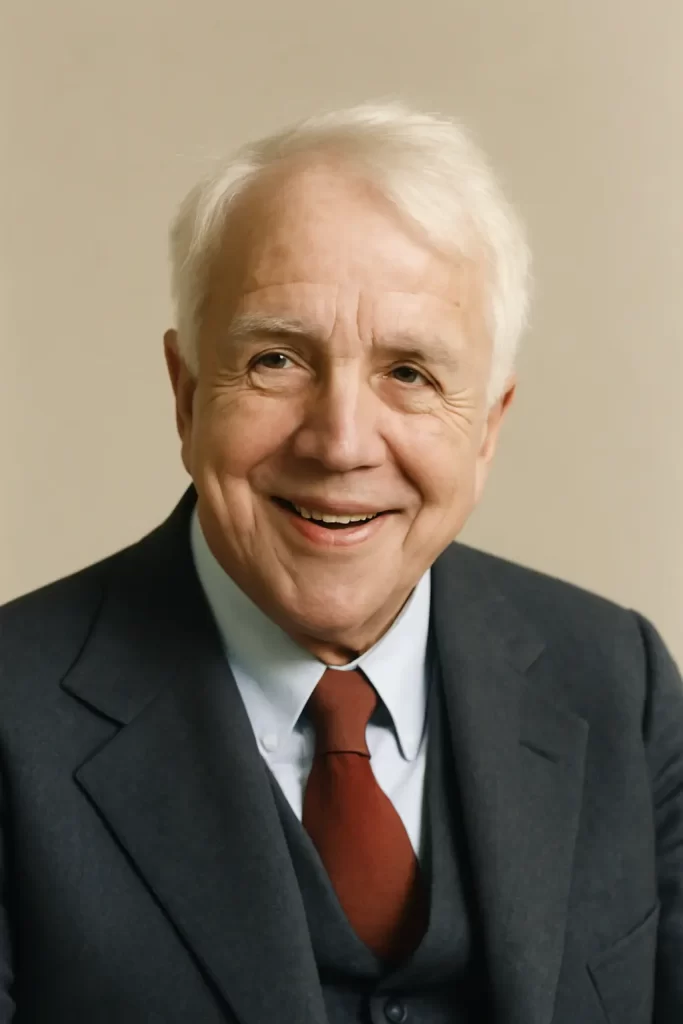
Early Life and Family
Robert Lee Frost was born on March 26, 1874, in San Francisco, California, USA.
His father, William Prescott Frost Jr., was a journalist originally from New Hampshire, known for his fiery temper and ambition. His mother, Isabelle Moodie, was a Scottish immigrant with a strong spiritual inclination.
Frost was named after the Confederate general Robert E. Lee, showing his father’s southern sympathies.
When Robert was just 11, his father died of tuberculosis (1885). The family had very little money and was forced to move to Lawrence, Massachusetts, to live with Robert’s paternal grandparents.
Education
Frost attended Lawrence High School, where he excelled academically and became co-valedictorian with his future wife, Elinor White.
He had his first poem, “My Butterfly: An Elegy,” published in The Independent in 1894, earning $15.
He briefly studied at Dartmouth College (1892) but left after only two months.
Later, he enrolled at Harvard University (1897–1899), studying literature and philosophy, but had to leave due to health and financial problems.
Though he never earned a formal degree, Frost educated himself widely in literature, history, and philosophy.
Marriage and Family Life
Frost married Elinor Miriam White in 1895. She became his lifelong inspiration and critic.
They had six children, but tragedy struck the family repeatedly:
Only two children, Lesley and Irma, outlived him.
Others died young or suffered from mental illness, including his son Carol, who died by suicide.
These personal tragedies deeply influenced Frost’s poetry, adding layers of melancholy and reflection on human suffering.
Early Struggles
Frost tried many occupations to support his family: he worked as a teacher, cobbler, editor, and farmer.
He bought a farm in Derry, New Hampshire, in 1900, where he worked for about 11 years. Farming was tough, but the rural life gave him themes for many of his poems.
Despite his talent, Frost struggled to get recognition as a poet in America.
Move to England (Turning Point)
In 1912, discouraged by rejection in the U.S., Frost moved with his family to England.
This proved to be a turning point:
He met influential poets like Ezra Pound, Edward Thomas, and Lascelles Abercrombie.
Pound and Thomas, in particular, recognized Frost’s genius and helped promote his work.
Frost published his first collection, A Boy’s Will (1913), and then North of Boston (1914). Both received critical praise and made his reputation.
Return to America & Literary Success
Frost returned to the U.S. in 1915 as a recognized poet.
He bought a farm in Franconia, New Hampshire, which became a retreat and inspiration for his writing.
He became a beloved teacher and lecturer at several institutions, including:
Amherst College (longest teaching association).
Bread Loaf School of English, Middlebury College, Vermont, where he developed close ties.
By the 1920s, Frost had become one of America’s most celebrated poets.
Major Works
A Boy’s Will (1913) – Early poems reflecting youth and nature.
North of Boston (1914) – Includes Mending Wall, The Death of the Hired Man, After Apple-Picking.
Mountain Interval (1916) – Includes The Road Not Taken, Birches.
New Hampshire (1923) – Includes Stopping by Woods on a Snowy Evening (won Pulitzer Prize).
West-Running Brook (1928) – More philosophical tone.
A Further Range (1936) – Won Pulitzer.
A Witness Tree (1942) – Reflects personal grief.
In the Clearing (1962) – His last collection, includes For John F. Kennedy His Inauguration.
Themes and Style
Nature & Rural Life: Frost drew inspiration from farms, orchards, woods, and rural labor. His poems often start with natural descriptions but lead to deeper reflection.
Human Struggles: Work, ambition, death, loneliness, and choice.
Philosophical Depth: Simple surface, but complex meanings (e.g., The Road Not Taken).
Language & Form: Used everyday speech, traditional meters (especially blank verse, iambic pentameter), and conversational tone.
Symbolism: Common objects (apple, wall, snow, road) became symbols for life’s choices, limits, and mysteries.
Achievements
Won the Pulitzer Prize four times:
New Hampshire (1924)
Collected Poems (1931)
A Further Range (1937)
A Witness Tree (1943)
Recited “The Gift Outright” at John F. Kennedy’s inauguration (1961), becoming a cultural icon.
Received over 40 honorary degrees from universities like Oxford, Cambridge, and Harvard.
Served as “poet in residence” at many institutions.
Later Life
Faced personal tragedies: the death of his wife Elinor (1938) and continuing struggles of his children.
Despite grief, he remained active as a poet and public figure, admired for his wisdom and plain-spoken style.
In the 1950s and 1960s, he became almost an ambassador of American poetry, traveling abroad and meeting world leaders.
Death
Frost died on January 29, 1963, in Boston, Massachusetts, at the age of 88, from complications after surgery.
He was buried in Old Bennington Cemetery, Vermont, near his family.
Legacy
Regarded as the greatest American poet of the 20th century.
Known as the “poet of New England” but his works are universal in appeal.
His poetry continues to be studied worldwide for its blend of simplicity and depth.
Famous lines like “Miles to go before I sleep” (Stopping by Woods) and “The Road Not Taken” are among the most quoted lines in English literature.
Word Meaning
| Tough Word | Meaning in English | Meaning in Hindi |
| Two-pointed ladder | Ladder with two long sides and steps | दो पैरों वाली सीढ़ी |
| Barrel | Large cylindrical container | पीपा / बड़ा ड्रम |
| Bough | A main branch of a tree | पेड़ की बड़ी शाखा |
| Done with | Finished, completed | पूरा कर लिया / समाप्त |
| Essence | Basic quality, nature | सार / तत्व |
| Winter sleep | Hibernation, deep winter rest | शीतनिद्रा |
| Drowsing off | Falling into sleep slowly | ऊंघना / नींद आना |
| Strangeness | Quality of being odd or unusual | अजीबपन |
| Pane of glass | Flat sheet of glass (here, a thin sheet of ice) | काँच की पट्टी / बर्फ की परत |
| Skimmed | Removed from surface | ऊपर से हटाया |
| Drinking trough | Long container from which animals drink | पानी की नांद |
| Hoary | Greyish-white, frosty, old-looking | पाले से ढका / धूसर |
| Stem end | The end of the apple where the stalk is | डंठल वाला सिरा |
| Blossom end | The opposite end of the apple where flower was | फूल वाला सिरा |
| Fleck | Small spot or mark | धब्बा / छोटा निशान |
| Russet | Reddish-brown color | लाल-भूरा रंग |
| Instep arch | The curved middle part of the foot | पैर का मेहराब |
| Ache | A continuous dull pain | पीड़ा / दर्द |
| Ladder-round | Step or rung of a ladder | सीढ़ी की पायदान |
| Sway | Move side to side slowly | डगमगाना |
| Cellar bin | Storage container kept in a basement or cellar | तहखाने का भंडार |
| Rumbling sound | Deep rolling, heavy noise | गड़गड़ाने की आवाज |
| Load on load | Many loads, one after another | ढेर पर ढेर |
| Harvest | Gathering of crops | फसल कटाई |
| Ten thousand thousand | Countless, very large number | असंख्य |
| Cherish | Hold dear, treat with care | सहेजना / संजोना |
| Lift down | Bring carefully down | सावधानी से उतारना |
| Struck the earth | Fell on the ground | ज़मीन पर गिरा |
| Bruised | Damaged by being hit or pressed | चोटिल / दबकर खराब |
| Spiked | Pierced, punctured | छेदा गया |
| Stubble | Short stalks left after harvesting crops | कटाई के बाद बचे तिनके |
| Cider-apple heap | Pile of apples set aside for making cider | साइडर बनाने के लिए सेबों का ढेर |
| As of no worth | Considered worthless | बेकार |
| Trouble (sleep) | Disturb, worry | परेशान करना |
| Woodchuck | A small burrowing animal, also called groundhog | ग्राउंडहॉग / बिल खोदने वाला जानवर |
| Long sleep | Hibernation, deep rest (also metaphor for death) | लंबी नींद / शीतनिद्रा / मृत्यु |
| Coming on | Approaching, beginning to arrive | आने लगना |
| Human sleep | Normal daily sleep of a person | मनुष्य की सामान्य नींद |
Very Short Answer Questions
Who is the poet of After Apple-Picking?
Robert Frost.
In which year was the poem published?
1914.
In which collection does the poem appear?
North of Boston.
How many lines are there in the poem?
42 lines.
What is the central activity described in the poem?
Apple-picking (harvest).
What does the ladder “toward heaven” symbolize?
Human ambition and possibly death.
What remains unfinished in the orchard?
A barrel unfilled and some apples unpicked.
What fills the night along with the “essence of winter sleep”?
The scent of apples.
What object distorts the speaker’s vision in the morning?
A pane of ice skimmed from the drinking trough.
What do “magnified apples” in the dream represent?
Lingering impressions of work.
What ache does the speaker still feel?
The ache in his instep arch from the ladder.
What sound does the speaker keep hearing in his half-sleep?
The rumbling of apples in the cellar bin.
What paradox does the speaker express about the harvest?
He once desired it but is now overtired of it.
What happens to apples that fall to the ground?
They go to the cider-apple heap as worthless.
What does “sleep” symbolize in the poem?
Both ordinary rest and death.
Which animal is mentioned at the end of the poem?
The woodchuck.
What does the “woodchuck’s long sleep” signify?
Hibernation, compared to death.
What literary form does the poem take?
The poem takes the form of a lyrical monologue expressing the speaker’s personal reflections on work, weariness, and mortality.
What is the dominant meter of the poem?
Iambic pentameter (with variations).
What is the central theme of the poem?
Weariness from work and the uncertainty of sleep/death.
Short Answer Questions
What is the central theme of After Apple-Picking?
The poem explores the theme of human labor, ambition, and weariness. Apple-picking represents human efforts and achievements, but the speaker feels exhausted by the very harvest he once desired. It also reflects the paradox of life—dreams fulfilled often bring fatigue rather than satisfaction. Finally, the poem contemplates sleep as a symbol of death, raising questions about mortality and rest.
How does Robert Frost use the ladder as a symbol in the poem?
The ladder is a central image in the poem. Literally, it is used for apple-picking, but symbolically, it stretches “toward heaven,” suggesting human ambition and the spiritual journey toward death. It connects the everyday labor of farming with deeper existential questions. The ladder thus becomes both a tool of work and a metaphor for life’s striving.
What role does the pane of ice play in the poem?
The pane of ice, lifted from the drinking trough, distorts the speaker’s vision when he looks through it. This image symbolizes the strangeness of perception when one is on the border between wakefulness and sleep. Just as the ice later melts and breaks, the speaker’s clear vision of reality fades as he drifts into dream. It emphasizes the poem’s dreamlike quality.
What images appear in the speaker’s dream?
As the speaker slips into sleep, his dreams are filled with apples—magnified, with every detail clear, from stem end to blossom end. He also feels the ache in his foot from the ladder and hears the rumbling of apples being stored in the cellar bin. These dream images show how physical labor lingers in the subconscious and how work continues to shape thought even in rest.
Why does the speaker say he is “overtired of the great harvest”?
The speaker once longed for a bountiful harvest, but after achieving it, he feels exhausted rather than satisfied. The endless work of picking “ten thousand thousand fruit” has left him weary. This line reflects the paradox of human ambition: what we desire most can overwhelm us once fulfilled. It is both a statement of physical tiredness and spiritual disillusionment.
What does the “cider-apple heap” symbolize?
The cider-apple heap is where all the apples that fell to the ground are discarded, regardless of whether they are bruised. Symbolically, it represents wasted opportunities or failed efforts in life. Just as fallen apples are considered worthless, so too are human mistakes or incomplete tasks. This image troubles the speaker, as he reflects on life’s inevitable imperfections.
How does Frost use sleep as a metaphor in the poem?
Sleep is one of the poem’s most important metaphors. On the surface, it means the speaker’s physical drowsiness after labor. But deeper, it symbolizes the approach of death. The uncertainty of whether his sleep will be like the woodchuck’s temporary hibernation or permanent human death captures the mystery of mortality. This double meaning enriches the poem.
What is the significance of the woodchuck in the poem?
The woodchuck appears in the closing lines. Its “long sleep” refers to hibernation, a natural rest after winter, which is temporary. By contrast, human sleep may symbolize death, which is permanent. The woodchuck serves as a contrast between nature’s cycles and human mortality. Its presence raises the poem’s final, haunting question: is the speaker’s rest temporary or eternal?
Describe the tone of the poem.
The tone of After Apple-Picking is reflective and weary. The speaker describes his physical exhaustion but also hints at a deeper weariness of life itself. The tone shifts from realistic (apple-picking) to dreamlike (strangeness of sight, magnified apples) and finally to philosophical, as he contemplates death. It remains ambiguous, with a mixture of resignation, melancholy, and mystery.
How does Frost blend realism with symbolism in After Apple-Picking?
Frost begins with realistic details of apple-picking—ladders, barrels, bins, apples—but gradually transforms them into symbols of life’s work, ambition, and mortality. The physical ache of the ladder becomes symbolic of the burdens of labor; the fallen apples symbolize wasted opportunities; sleep symbolizes death. This blending of rural realism with universal symbolism is a hallmark of Frost’s style.
Essay Type Questions
Discuss the central theme of After Apple-Picking.
The central theme of Robert Frost’s After Apple-Picking is the weariness of human labor and the inevitability of mortality. At first glance, the poem appears to describe the simple task of apple-picking at the end of the harvest season. The speaker talks about his “two-pointed ladder” reaching “toward heaven” and mentions the apples still left on the boughs. These images present apple-picking as an ordinary rural activity.
However, Frost layers this simple setting with symbolic meaning. The “ladder toward heaven” suggests not only aspiration but also the spiritual journey toward death. The unfinished work—unpicked apples and unfilled barrels—represents the human condition of incompleteness. Despite our best efforts, no life is entirely fulfilled.
Another important theme is the paradox of desire and disillusionment. The speaker admits: “For I have had too much / Of apple-picking: I am overtired / Of the great harvest I myself desired.” What he once longed for has now left him weary. This reflects the truth of human life: success often brings exhaustion rather than joy.
Finally, the overarching theme is mortality. The speaker’s drowsiness, described as the “essence of winter sleep,” hints at death. By the end, he wonders whether his sleep will be like the woodchuck’s temporary hibernation or the eternal “human sleep.” Thus, the poem is not only about apple-picking but about life, ambition, incompleteness, and the inevitability of death.
How does Robert Frost use imagery and symbolism in the poem?
After Apple-Picking is one of Frost’s richest poems in terms of imagery. Frost employs all five senses to create vivid impressions: the “scent of apples,” the visual details of “magnified apples” with “every fleck of russet,” the tactile ache in the “instep arch,” and the auditory “rumbling sound” of apples in the cellar bin. These concrete details root the poem firmly in rural reality.
Yet, Frost transforms these images into symbols with deeper meaning. Apples, for instance, symbolize opportunities, achievements, and the responsibilities of life. The cider-apple heap, where fallen fruit is discarded “as of no worth,” symbolizes wasted efforts and failures. The ladder “toward heaven” is a symbol of human aspiration and the spiritual journey of life.
Even ordinary objects take on symbolic weight. The “pane of glass” (sheet of ice) symbolizes altered perception—the world seen through a strange lens, as in a dream. Sleep itself is the most important symbol, functioning both as ordinary rest and as a metaphor for death.
Thus, Frost fuses simple rural imagery with universal symbolism. The orchard becomes a stage for reflecting on work, ambition, imperfection, and mortality. This blending of concrete and symbolic elements is a hallmark of Frost’s poetic genius.
Examine the role of sleep in the poem.
Sleep is the central metaphor in After Apple-Picking. On the surface, it refers to the speaker’s physical drowsiness after a long day’s work. He feels the “essence of winter sleep” coming upon him, and the fragrance of apples makes him “drowsing off.” This natural sleep represents the exhaustion that follows labor.
However, Frost extends the meaning of sleep to something deeper: death. The speaker confesses that his sleep will be troubled by memories of wasted apples and incomplete work. He does not know whether his sleep will be temporary rest or the final sleep of death. The ambiguity is captured in the lines: “One can see what will trouble / This sleep of mine, whatever sleep it is.”
The poem ends with the image of the woodchuck’s hibernation. The woodchuck’s “long sleep” is temporary, natural, and restorative. But the speaker wonders if his own sleep will be “just some human sleep”—which may mean death. This uncertainty captures the poem’s haunting power.
Thus, sleep functions on three levels: physical rest, troubled dreaming, and eternal death. Its ambiguity mirrors the human condition—we never know whether rest is temporary or final. In this way, Frost transforms an ordinary biological need into a profound meditation on mortality.
How does Frost blend realism with philosophical reflection in the poem?
Frost is famous for grounding deep philosophical ideas in everyday rural settings, and After Apple-Picking is a prime example. The poem begins with realistic details of apple-picking: a ladder leaning on a tree, a barrel not filled, apples left unpicked. The speaker describes the ache in his foot from the ladder, the swaying of boughs, and the sound of apples rumbling into bins. These details reflect Frost’s firsthand experience of farm life in New England.
Yet, beneath this realism lies profound reflection. The ladder “toward heaven” becomes symbolic of aspiration and mortality. The fallen apples thrown into the cider-heap symbolize wasted opportunities in life. The weariness of apple-picking becomes a metaphor for human exhaustion with labor and ambition.
The greatest philosophical shift comes with the metaphor of sleep. At first, it seems like ordinary rest, but it soon raises the question of death. The final uncertainty—whether his sleep is like the woodchuck’s hibernation or permanent human death—turns the rural orchard scene into a meditation on mortality.
Thus, Frost blends the ordinary with the extraordinary. The poem begins as a realistic picture of apple harvest but ends as a universal reflection on human life and death. This is one of Frost’s greatest achievements: to reveal deep truths through simple rural imagery.
Comment on the tone and mood of After Apple-Picking.
The tone of After Apple-Picking is reflective, weary, and uncertain. The speaker begins with a tone of resignation: “But I am done with apple-picking now.” This line shows not only physical fatigue but also an acceptance of incompleteness in life. The tone grows dreamlike as the speaker recalls looking through the pane of ice and describes his strange vision.
The mood of the poem shifts gradually. At first, it is realistic—the orchard, barrels, and apples are described in concrete detail. Then it becomes dreamy, with magnified apples appearing and disappearing in half-sleep. Later, the mood turns troubled and regretful, as the speaker reflects on wasted apples and failures that will disturb his rest.
By the end, the mood is deeply philosophical and haunting. The uncertainty of whether his sleep will be like the woodchuck’s hibernation or human death creates an atmosphere of mystery. Frost leaves the question unresolved, and this open-endedness gives the poem its lasting power.
Thus, the tone moves from realism to reflection, from weariness to philosophy, while the mood shifts from concrete orchard imagery to the haunting ambiguity of mortality. This tonal complexity makes After Apple-Picking one of Frost’s most profound poems.
Long note on themes of the poem.
Work and Weariness
One of the most dominant themes of the poem is human labor and the exhaustion it brings. The speaker is physically and mentally tired after a long day of apple-picking. He admits, “For I have had too much / Of apple-picking: I am overtired.”
This weariness is not only physical but also symbolic of life itself. Just as the orchard work drains him, the endless demands of human existence leave people fatigued.
Frost presents labor as both necessary and burdensome: though the speaker once desired the “great harvest,” it now overwhelms him. The theme reflects the paradoxical relationship humans have with work—it gives purpose, but also causes exhaustion.
Desire and Disillusionment
Another theme is the tension between ambition and its consequences. The speaker once longed for a fruitful harvest, symbolizing human ambition and achievement. However, when his wish is fulfilled, he feels exhausted and dissatisfied.
The lines “Of the great harvest I myself desired” highlight this paradox: desire drives effort, but fulfillment can bring weariness instead of joy.
Frost captures a universal truth—human beings often find that what they most wanted eventually becomes a burden. This theme makes the poem both personal and philosophical.
Incompleteness and Waste
A recurring theme is that of incompleteness—no human life or work is ever fully finished. The speaker admits that some apples remain unpicked, and a barrel remains unfilled.
Even more troubling are the wasted apples: “For all / That struck the earth… / Went surely to the cider-apple heap / As of no worth.”
These fallen apples symbolize wasted opportunities, failures, and unfulfilled tasks in life. Just as the discarded fruit troubles him, so too do memories of wasted efforts trouble the human mind. This theme adds a layer of regret and melancholy to the poem.
Dreams, Reality, and Perception
The poem explores the blurred boundary between dreams and reality. As the speaker grows drowsy, he experiences strange perceptions, such as looking through a pane of ice that distorts the world.
His dreams are filled with magnified apples, every detail clear, showing how his day’s labor shapes his subconscious. The lines “Magnified apples appear and disappear, / Stem end and blossom end” highlight this dreamlike imagery.
The theme suggests that human experience continues into dreams—work, memories, and failures follow us even in rest. Frost uses this to show how deeply human labor affects the inner world.
Mortality and the Mystery of Death
The most profound theme of the poem is mortality. Sleep, mentioned repeatedly, becomes a metaphor for death. The speaker feels the “essence of winter sleep” on the night, suggesting that his rest may not be ordinary sleep but something final.
He openly wonders whether his sleep will be like the woodchuck’s hibernation—temporary and natural—or “just some human sleep,” meaning death. This unresolved question gives the poem its haunting ending.
By blending the imagery of harvest with the idea of death, Frost links the cycle of nature to the human life cycle. Just as apples fall and decay, so too must human beings face their final rest.
Critical Analysis
Introduction
Robert Frost (1874–1963) is regarded as one of America’s greatest poets, celebrated for capturing the essence of rural New England life while exploring universal human experiences. His poetry often combines simple imagery from farming, seasons, and nature with deep philosophical meaning. After Apple-Picking, first published in 1914 in North of Boston, is a prime example of this technique.
At first, the poem appears to describe the speaker’s weariness after a long day of picking apples. But gradually it develops into a meditation on human ambition, incompleteness, wasted effort, dreams, and the mystery of death. The orchard becomes symbolic of life itself, and sleep becomes a metaphor for mortality. The poem reflects Frost’s skill in blending realism with symbolism, producing a work that is both personal and universal.
Central Idea
The central idea of the poem is that life is like apple-picking: filled with labor, ambition, achievement, incompleteness, and fatigue. The speaker is overtired not only from physical work but also from the emotional and spiritual weight of his ambitions.
Some apples are unpicked, some have fallen and been wasted—this reflects life’s incompleteness and failures. The speaker knows his rest will be troubled by these memories. Finally, he wonders whether his approaching sleep is ordinary rest, temporary like the woodchuck’s hibernation, or the eternal sleep of death. The poem leaves this question unresolved, making its central idea deeply haunting: human effort ends in rest, but whether this rest is temporary or final remains a mystery.
Summary
The poem begins with the speaker describing his ladder leaning “toward heaven” and a barrel he did not fill. Though apples remain on the boughs, he declares, “I am done with apple-picking now.” This sets the tone of incompleteness.
The night carries the “essence of winter sleep,” and the scent of apples makes him drowsy. He recalls looking through a thin sheet of ice in the morning, which distorted his vision, symbolizing his current blurred perception as he drifts into sleep.
In his half-dreams, he sees magnified apples, every detail clear, and still feels the ache in his instep from the ladder. He hears the rumbling sound of apples being stored in the cellar bin. Though he once desired the harvest, he admits he is overtired of it. He recalls the fallen apples thrown into the cider-heap “as of no worth,” symbolizing wasted efforts.
Finally, he reflects on the nature of his approaching sleep. If the woodchuck were there, it could say whether this sleep is like hibernation—temporary—or “just some human sleep,” which implies death. The poem ends with this unresolved ambiguity.
Structure and Rhyme Scheme
The poem is written in a single stanza of 42 lines, with no stanza breaks. This free-flowing structure mirrors the drifting and unsteady thoughts of the speaker as he falls into drowsiness.
Internally, however, there are structural units:
Lines 1–6: Introduction of the situation (apples unpicked, barrel unfilled).
Lines 7–13: The pane of ice and strangeness of perception.
Lines 14–26: Dream imagery of apples and labor.
Lines 27–38: Weariness of ambition and wasted effort.
Lines 39–42: Final meditation on sleep and death.
The rhyme scheme is irregular. The poem begins with ABBA, then CC, then DED, and afterward rhyme appears sporadically (e.g., bough/now, take/make, end/bend).
This lack of consistent rhyme reflects the speaker’s half-dreaming state, full of clarity in places and confusion in others. The irregular rhyme also mirrors life’s incompleteness.
Theme
Work and Weariness – The poem reflects the burden of labor. The speaker is exhausted from apple-picking, symbolizing human fatigue with life’s duties.
Desire and Disillusionment – The speaker once longed for a great harvest but is now overtired of it, showing how fulfilled desires can become burdens.
Incompleteness and Waste – The unpicked apples and fallen fruit symbolize life’s unfinished tasks and wasted opportunities.
Dreams and Reality – The blurred perception and dream imagery show how work and memory shape human consciousness.
Mortality – Sleep is the central metaphor, representing both ordinary rest and death. The ambiguity of the ending captures the uncertainty of human mortality.
Style
Conversational tone: Frost uses simple, everyday language to capture the voice of an ordinary apple-picker.
Shifting tone: The poem moves from realism to dreamlike description to philosophical reflection.
Free-flowing rhythm: The irregular meter and rhyme create a natural speech rhythm, echoing drifting thoughts.
Blending of realism and symbolism: Frost begins with farm imagery but layers it with universal meaning.
Ambiguity: The poem never fully answers whether the sleep is ordinary or eternal, leaving the reader with mystery.
Poetic Devices
Imagery: Sensory details abound – sight (“magnified apples”), smell (“scent of apples”), sound (“rumbling sound”), touch (“instep arch ache”).
Symbolism: Apples = opportunities; ladder = aspiration; cider-heap = wasted efforts; sleep = death.
Alliteration: “spiked with stubble,”
Metaphor: Sleep as death; harvest as human labor.
Enjambment: Many lines run over into the next, mimicking drifting, dreamlike thought.
Hyperbole: “Ten thousand thousand fruit to touch.”
Critical Commentary
After Apple-Picking is one of Frost’s most meditative lyrics. It begins with realism—the literal task of harvesting apples—but gradually becomes a philosophical reflection on life and death. The orchard and apples are metaphors for life’s labor and achievements, while the fallen fruit reflects human failure and incompleteness.
The poem also presents the paradox of human ambition: the speaker desired a rich harvest but is left overtired by it. This shows that desire fulfilled often brings exhaustion. The ambiguous sleep at the end makes the poem haunting: is the speaker merely resting, or facing death?
Stylistically, Frost departs from his usual regular rhyme schemes and meter, instead choosing irregular rhythms and scattered rhymes to capture the drifting consciousness of a man on the border of sleep and wakefulness. This experimental quality makes the poem unique in his work.
Message
The poem’s message is that human life is like apple-picking—full of labor, ambition, and partial fulfillment. No matter how much is achieved, some tasks remain unfinished and some efforts wasted. Human beings inevitably grow weary of their labors, and at the end of life, all must face rest, whether temporary or eternal. The poem suggests acceptance of life’s incompleteness and the inevitability of mortality.
Conclusion
In conclusion, Robert Frost’s After Apple-Picking is a masterpiece of symbolic realism. It begins with a simple orchard scene but expands into a meditation on ambition, failure, and mortality. Its irregular form, dreamlike imagery, and philosophical depth make it one of Frost’s most memorable poems. The poem leaves us with a haunting ambiguity: is the speaker merely falling asleep, or is he preparing for the eternal sleep of death? This uncertainty is the poem’s greatest strength, making it timeless and universally relevant.
Free Full PDF Download Now
Easy Literary Lessons: Other Poems by Robert Frost