The Election
(Sitakant Mahapatra)
Our jeep crawls to your village
and we arrive, seeking
harmony in the roaring chaos,
some cool bliss
in the conflagration
of private agonies.
Our dark longings do not touch you
nor our clever trappings:
posters, symbols, pep talk, handbills;
for your grief outlives empires.
The cold grandchildren
awaken in your heart
as you discern
muted allegories
on our ashen faces.
Here the great persuaders
are little things and not so hidden:
cheap plastics, cheaper nylons
dark glasses to blot out suns.
One step in hunger
another in atman
you decide:
the anguish of choice.
The Election Summary
“The Election” by Sitakant Mahapatra (originally written in Odia/Oriya and translated into English by the poet himself) gained wide recognition and accessibility in English through its inclusion in the landmark anthology The Oxford Anthology of Modern Indian Poetry, edited by Vinay Dharwadker and A.K. Ramanujan.
This anthology was first published in 1994 by Oxford University Press (Delhi/Oxford). The poem appears on page 176 of the collection, presented as a representative piece of modern Indian poetry translated from Odia.
The poem begins with a scene of politicians driving a jeep into a remote, poor village. They have come to campaign for votes. The poet describes the politicians as people coming from a chaotic city life, looking for a moment of “harmony” or peace in the village. However, they are entering a place filled with deep pain and suffering. The jeep “crawls,” showing that the journey is difficult and the location is isolated.
There is a huge gap between the visitors and the villagers. The politicians bring “clever trappings” like posters, symbols, handbills, and speeches to impress the people. But the poet says these things do not touch the villagers at all. The villagers’ sadness and grief are described as ancient; their suffering is so deep that it “outlives empires.” The modern political campaign feels meaningless compared to their daily struggles.
The villagers see right through the politicians. The poem describes the politicians having “ashen faces,” suggesting they feel uncomfortable or guilty. The villagers can sense the emptiness of the politicians’ promises (described as “muted allegories”). Even though the villagers are quiet, their silence makes the politicians realize how disconnected they are from the harsh reality of village life.
To convince the villagers to vote for them, the politicians offer small, cheap gifts. The poet calls these “the great persuaders.” These gifts are not valuable things that will solve poverty; instead, they are “cheap plastics,” “cheaper nylons,” and “dark glasses.” The dark glasses are a powerful symbol—they are given to the villagers perhaps to help them block out the harsh sun, or metaphorically, to blind them to the reality of their situation.
The poem ends with the difficult decision the villager must make. The voter is torn between two paths. One step is in “hunger”—meaning they need the money or gifts to survive physically. The other step is in “atman” (the soul)—meaning they want to keep their self-respect and dignity. The poet calls this “the anguish of choice,” showing how cruel it is that a poor person has to choose between their survival and their conscience.
The Election Analysis
Our jeep crawls to your village
and we arrive, seeking
harmony in the roaring chaos,
some cool bliss
in the conflagration
of private agonies.
Reference to Context:
These lines are the opening stanza of the poem “The Election” by Sitakant Mahapatra, a celebrated Jnanpith-winning poet from Odisha. The poem is a well-known satirical work, often studied in collections like The Oxford Anthology of Modern Indian Poetry.
In this poem, the poet adopts the persona of a politician or city official visiting a remote, impoverished tribal village during an election campaign. The central theme explores the deep disconnect between the “modern” democratic state (represented by the visitors in the jeep) and the harsh, ancient reality of rural poverty. These specific lines set the scene, describing the physical arrival of the campaign team and contrasting their selfish desire for peace with the villagers’ intense suffering.
Explanation:
The poem opens with the visual image of a jeep “crawling” toward a village. The word “crawls” is significant—it suggests the road is rough, unpaved, and difficult to navigate, highlighting how neglected and remote the village is. The use of “Our jeep” versus “Your village” immediately establishes a barrier between the visitors (the “us”) and the villagers (the “them”). The jeep represents power, modernity, and the city, forcing its way into the quiet, undeveloped world of the tribe.
The speaker reveals the visitors’ internal motivation. They claim to be “seeking harmony in the roaring chaos.” This is deeply ironic. Usually, election campaigns are loud and chaotic, and the politicians view this trip to the village almost as a vacation or a break from their busy city lives. They are looking for “cool bliss”—a sense of relaxation and comfort—mistakenly believing the village to be a peaceful, idyllic place simply because it is quiet.
The poet sharply contrasts the politicians’ desire for “cool bliss” with the reality of the village, which he describes as a “conflagration of private agonies.” A conflagration is a massive, destructive fire. By using this metaphor, the poet implies that the villagers’ lives are being consumed by the “heat” of hunger, poverty, and pain. While the politicians seek something cool and pleasant, the people they are visiting are metaphorically burning in misery.
These lines expose the insensitivity of the political class. They are so self-absorbed that they try to find personal comfort (“harmony”) in the middle of other people’s destruction. They fail to see the village as a place of human tragedy; instead, they treat it as a backdrop for their own emotional relief. This stanza sets the mood for the rest of the poem, showing that the visitors are physically present in the village but emotionally and spiritually distant from its people.
Poetic devices:
Personification
Line: “Our jeep crawls to your village”
Explanation: The poet gives human or animal qualities to the jeep by using the word “crawls.” It suggests that the movement is slow and difficult due to bad roads, emphasizing the remoteness and neglect of the village.
Metaphor
Line: “in the conflagration / of private agonies.”
Explanation: The poet compares the villagers’ intense suffering and pain to a “conflagration” (a massive, destructive fire). It implies that their misery is consuming and violent, even though it is internal (“private”).
Oxymoron (Contrast)
Line: “harmony in the roaring chaos”
Line: “cool bliss / in the conflagration”
Explanation: An oxymoron places two opposite ideas side by side.
The politicians seek harmony (peace) within chaos.
They look for cool bliss inside a conflagration (fire).
This sharp contrast highlights the absurdity and selfishness of the politicians—they want relaxation in a place that is metaphorically burning with pain.
Irony
Context: The entire situation of the stanza.
Explanation: It is ironic that the politicians, who are responsible for the welfare of the people, come to a place of deep suffering (“private agonies”) not to help, but to find “cool bliss” for themselves. They treat the village as a vacation spot rather than a crisis zone.
Imagery
Visual Imagery: “Our jeep crawls” (creates a picture of a slow, dusty journey).
Tactile (Touch) Imagery: “cool bliss” vs. “conflagration” (contrasts the feeling of cold relief with the heat of burning suffering).
Enjambment
Context: Throughout the stanza (e.g., “seeking / harmony in the roaring chaos”).
Explanation: The lines run into the next without a pause or punctuation mark at the end. This creates a flowing, continuous rhythm that mirrors the ongoing, crawling movement of the jeep.
Our dark longings do not touch you
nor our clever trappings:
posters, symbols, pep talk, handbills;
for your grief outlives empires.
Reference to Context:
These lines are taken from the poem “The Election” by the renowned Odia poet Sitakant Mahapatra. The poem is a critique of the Indian democratic process in rural, tribal areas.
In this stanza, the speaker (who represents the visiting politicians) acknowledges the failure of their campaign methods. He realizes that their desire for power and their flashy election materials have no real impact on the villagers. The lines contrast the temporary excitement of an election with the permanent, ancient suffering of the tribal people.
Explanation:
The poet begins by admitting that the politicians have “dark longings.” This refers to their secret, selfish desire for power, status, and control. However, the speaker notes that these desires “do not touch” the villagers. The villagers are so removed from the world of ambition and city politics that they are completely unaffected by the greed of the politicians. They live in a different reality where survival is the only goal, so the politicians’ hunger for power means nothing to them.
The speaker lists the “clever trappings” they have brought along: posters, political symbols, pep talks (speeches), and handbills (flyers). The word “trappings” suggests that these are just decorations or costumes used to dress up the ugly reality of politics. The poet calls them “clever,” implying they are designed to trick or manipulate people. However, to the villagers, these items are useless. A colorful poster or a loud speech has no value to someone who is starving or struggling to survive.
This section highlights the total lack of communication. The politicians try to communicate through modern political language—symbols and written handbills—but the villagers likely cannot read or do not care about these symbols. The “pep talk” is meant to be energetic and inspiring, but it falls flat because the audience is too exhausted by life to be inspired. The tools that work in the city to win votes are completely ineffective in the face of the village’s silence.
The stanza ends with the most powerful line: “for your grief outlives empires.” The poet is saying that governments rise and fall, and great empires come and go, but the suffering of the poor remains constant. Their “grief” is ancient and timeless. It is older and stronger than any political system. Because their pain is so deep and permanent, the temporary promises of an election campaign seem tiny and ridiculous in comparison.
Poetic devices:
Metaphor
Line: “Our dark longings”
Explanation: The poet compares the politicians’ greed, ambition, and thirst for power to “dark longings.” It suggests their intentions are not pure or transparent, but shadowy and selfish.
Line: “clever trappings”
Explanation: The campaign materials are compared to “trappings” (decorations or ornaments, sometimes used on horses). It implies these items are just a superficial disguise to make the politicians look good, covering up the ugly reality.
Asyndeton (Listing)
Line: “posters, symbols, pep talk, handbills”
Explanation: The poet lists these items without using the conjunction “and” or “or.” This creates a fast, mechanical rhythm. It makes the list feel like a pile of useless clutter, emphasizing how many meaningless things the politicians bring to solve deep problems.
Contrast (Juxtaposition)
Concept: Transient vs. Permanent
Explanation: The poet contrasts the temporary nature of the election campaign (“posters,” “handbills,” “clever trappings”) with the permanent nature of the villagers’ suffering (“grief outlives empires”). The campaign materials are flimsy and disposable, while the grief is solid and enduring.
Irony
Line: “Our dark longings do not touch you / nor our clever trappings”
Explanation: It is ironic that the politicians think their “clever” strategies will impress the villagers. In reality, the villagers are so deeply immersed in their own tragedy that these “clever” tricks have zero effect on them. The “great” politicians become insignificant in the face of the villagers’ massive grief.
The cold grandchildren
awaken in your heart
as you discern
muted allegories
on our ashen faces.
Reference to Context:
These lines are from the poem “The Election” by Sitakant Mahapatra, a prominent modern Indian poet. The poem is a satirical reflection on the disconnect between politicians and rural villagers during an election.
In this specific stanza, the interaction between the two groups shifts from physical actions to an emotional or psychological realization. The speaker (the politician) describes a moment of silent communication where the villagers seem to see through the politicians’ facade, recognizing the emptiness behind their promises.
Explanation:
The phrase “The cold grandchildren / awaken in your heart” is a complex metaphor. “Cold grandchildren” likely refers to fears, hunger, or inherited suffering that has been passed down through generations. Just as grandchildren are the future of a family, these “cold” feelings are the future of the villagers—a future that looks bleak and lifeless. When the politicians arrive, these dormant fears “awaken.” The presence of the outsiders reminds the villagers of their own vulnerability and the harsh reality that awaits their future generations.
The poet says the villagers “discern / muted allegories / on our ashen faces.” To “discern” means to see or understand something that is not obvious. The villagers look at the politicians and see “muted allegories.” An allegory is a story with a hidden meaning. Here, it suggests the villagers realize that the politicians are not real people, but symbols of falsehood. They are “muted” (silent) stories of corruption or failure. The villagers can read the truth that the politicians are trying to hide.
The speaker describes his own group’s faces as “ashen.” An ashen face is pale, usually from fear, sickness, or guilt. This reveals that the politicians are uncomfortable. They know they are lying or that they cannot truly help these people. Beneath their confidence and speeches, they feel a sense of death or moral emptiness. The villagers’ steady gaze makes the politicians feel exposed, turning their faces pale with the guilt of their privilege.
This stanza represents a reversal of power. Usually, the politician is the powerful one and the villager is the passive observer. However, here, the villagers are the ones with the insight. They possess a deep, intuitive wisdom that allows them to look past the “clever trappings” and see the “ashen” (dead/guilty) reality of the leaders. It is a moment of silent judgment where the poor understand the rich better than the rich understand the poor.
Poetic devices:
Metaphor
Line: “The cold grandchildren”
Explanation: This is a complex metaphor. The “cold grandchildren” represent the dormant fears or the bleak future of the next generation. Just as grandchildren are born from parents, these fears are “born” or awakened in the villagers’ hearts when they see the politicians. “Cold” suggests a lack of life, hope, or warmth.
Line: “muted allegories”
Explanation: The poet compares the expressions on the politicians’ faces to “allegories” (stories with a hidden meaning). Even though the politicians aren’t speaking the truth (they are “muted”), their faces tell a story of guilt and falsehood that the villagers can read.
Imagery (Visual)
Line: “on our ashen faces.”
Explanation: The word “ashen” describes the politicians’ faces as pale, gray, or death-like (like ash). This creates a vivid image of guilt, discomfort, or moral decay. It contrasts with the usual image of politicians as confident and vibrant.
Personification
Line: “The cold grandchildren / awaken in your heart”
Explanation: The poet gives human qualities to the “cold grandchildren” (which are likely metaphors for fear or memory) by saying they “awaken.” It suggests that these feelings were sleeping inside the villagers and have now been disturbed by the visitors.
Enjambment
Context: The entire stanza creates a single flowing thought.
Explanation: The lines run into the next without punctuation (e.g., “awaken in your heart / as you discern”). This slows down the reading speed, matching the slow, silent realization of the villagers.
Irony (Situational)
Context: The interaction between the villager and the politician.
Explanation: Usually, politicians are the ones who speak and “educate” the masses. Here, the situation is reversed: the politicians are silent (“muted”) and exposed (“ashen faces”), while the poor, uneducated villagers are the ones who “discern” (understand) the hidden truth behind the politicians’ masks. The “ignorant” villager sees more clearly than the “educated” visitor.
Here the great persuaders
are little things and not so hidden:
cheap plastics, cheaper nylons
dark glasses to blot out suns.
Reference to Context:
These lines are from the poem “The Election” by Sitakant Mahapatra. The poem satirizes the democratic process in rural India, highlighting the stark contrast between the political elite and the impoverished tribal voters.
In this stanza, the poet focuses on the actual methods the politicians use to “buy” votes. It exposes the sad reality that in a place of extreme poverty, votes are not won by ideology or promises of development, but by trivial, cheap material goods.
Explanation:
The poet uses irony when he calls these items “the great persuaders.” Usually, a “great persuader” would be a powerful speech, a strong leader, or a transformative idea. Here, however, the things that convince the people to vote are “little things.” This highlights the desperation of the villagers—their vote, which should be a powerful tool for democracy, is traded for insignificant trinkets because their immediate needs are so great.
The speaker notes that these bribes are “not so hidden.” In many democracies, buying votes is a crime that happens in secret. But here, the poverty is so normalized that the transaction happens openly. There is no shame left. The politicians brazenly offer these small gifts, and the villagers openly accept them because they have no other choice.
The specific items listed—”cheap plastics, cheaper nylons”—represent a superficial kind of modernity. These are synthetic, mass-produced materials that are alien to the traditional, natural life of the village. They are “cheap” and “cheaper,” symbolizing how low the value of a vote (and by extension, the value of a villager’s dignity) has fallen. The politicians are not offering infrastructure, schools, or food security; they are offering disposable junk.
The final image of “dark glasses to blot out suns” is the most powerful symbol in the stanza.
Literal Meaning: Dark sunglasses are a coveted luxury item for poor villagers, a status symbol from the city.
Metaphorical Meaning: “Blotting out suns” suggests blinding oneself to reality. The sun represents the harsh truth of their daily struggle. By giving them dark glasses, the politicians are metaphorically helping the villagers hide from their own bleak reality. It is a tool of distraction—keeping the people in the dark so they don’t see the corruption and failure of the system that keeps them poor.
Poetic devices:
Irony
Line: “Here the great persuaders / are little things”
Explanation: The poet uses irony to highlight the tragedy of poverty. Usually, a “great persuader” is something powerful like a strong ideology or a charismatic leader. Here, the “great” things that convince people to vote are actually “little things” (trinkets). It mocks the democratic process where a vote can be bought so cheaply.
Symbolism
Line: “cheap plastics, cheaper nylons”
Explanation: These synthetic materials symbolize a superficial, low-quality version of modernity. They represent the fake progress the politicians bring—goods that are flashy but not durable or valuable, much like their political promises.
Line: “Dark glasses”
Explanation: The dark glasses symbolize blindness. By giving these to the villagers, the politicians are metaphorically blinding them to the corruption and the bleak reality of their lives.
Metaphor
Line: “to blot out suns”
Explanation: The “sun” here is a metaphor for the harsh truth or the glaring reality of the villagers’ suffering. The dark glasses don’t just block sunlight; they metaphorically allow the villagers to hide from the painful truth of their existence, if only for a moment.
Paradox
Line: “great persuaders / are little things”
Explanation: A paradox is a statement that seems contradictory but reveals a truth. It seems impossible that “little things” could be “great persuaders,” but in the context of extreme hunger and poverty, a small piece of plastic becomes a great treasure.
One step in hunger
another in atman
you decide:
the anguish of choice.
Reference to Context:
These are the concluding lines of the poem “The Election” by Sitakant Mahapatra, a renowned Indian poet and former IAS officer. The poem is a satirical critique of the democratic process in impoverished tribal areas.
In this final stanza, the focus shifts from the external actions of the politicians (distributing bribes) to the internal conflict of the voter. The speaker observes the villager standing at a moral crossroads, forced to make a painful decision between physical survival and spiritual integrity.
Explanation:
The poet uses the metaphor of walking to describe the decision-making process. The villager is described as having “One step in hunger / another in atman.”
“One step in hunger”: This represents the physical necessity of survival. The villager is starving, and taking a step in this direction means accepting the bribes (cheap plastics, dark glasses) to satisfy immediate needs.
“Another in atman”: The Sanskrit word atman means “soul” or “inner self.” Taking a step in this direction implies refusing the bribe to preserve one’s dignity, ancient values, and self-respect.
The phrase “you decide” shifts the agency to the villager. The politicians have played their part by offering temptations; now they stand back as spectators. This moment places an immense burden on the powerless individual, who must weigh their desperate physical needs against their moral conscience.
The poem concludes with the powerful phrase: “the anguish of choice.” In a democracy, the “freedom to choose” (voting) is usually celebrated as a privilege. However, for the starving villager, this freedom is a source of “anguish” (intense pain).
The Dilemma: It is a lose-lose situation. If they choose to feed their hunger, they sell their soul. If they choose their atman (dignity), they remain physically starving.
Conclusion: The poem ends on this unresolved, tragic note. It suggests that for the strictly poor, democracy is not a celebration of rights, but a cruel test where they are often forced to compromise their humanity just to survive.
Poetic devices:
Metaphor
Line: “One step in hunger / another in atman”
Explanation: The poet uses the physical act of walking (“steps”) as a metaphor for making a moral decision. The villager is metaphorically straddling two worlds:
“Hunger” represents physical survival and the body’s need (which tempts them to accept the bribe).
“Atman” (Soul) represents spiritual integrity, dignity, and conscience.
Juxtaposition (Contrast)
Concepts: Hunger vs. Atman
Explanation: The poet places a base, physical need (“hunger”) directly against a high, spiritual concept (“atman”). This sharp contrast highlights the cruel nature of the choice: the voter must choose between feeding their stomach or saving their soul.
Paradox
Line: “the anguish of choice.”
Explanation: In a democracy, having a “choice” (the right to vote) is usually seen as a freedom or a privilege. However, the poet describes it as “anguish” (intense pain). The paradox is that this “freedom” is actually a burden for the poor, because they are forced to choose between their survival and their self-respect.
Allusion
Word: “atman”
Explanation: By using the Sanskrit word atman instead of the English word “soul,” the poet makes a cultural allusion to Indian philosophy. It suggests that the villager, though poor and hungry, possesses a deep, ancient spiritual self that is being threatened by the modern, corrupt political system.
Key Points
Author
Name: Sitakant Mahapatra (Born 1937).
Background: He is one of the most significant voices in modern Indian poetry. A recipient of the Jnanpith Award (1993) and the Padma Vibhushan (2011).
Perspective: As a former Indian Administrative Service (IAS) officer, Mahapatra spent years working in tribal districts of Odisha. This unique background allows him to write from the “insider” perspective of the government official (the “We” in the poem), while deeply sympathizing with the tribal people. He bridges the gap between the administrative machinery and the anthropological reality of the tribe.
Structure
The poem is structured into five stanzas of unequal length.
Stanza 1 (The Arrival): Sets the physical scene. The slow movement of the jeep contrasts with the internal chaos of the visitors.
Stanza 2 (The Failure): A list of failed communication attempts. It contrasts the temporary nature of elections with the permanent nature of grief.
Stanza 3 (The Realization): A shift to psychological observation. The villagers silence the politicians with their gaze.
Stanza 4 (The Transaction): The climax of the poem’s cynicism, describing the actual bribery taking place.
Stanza 5 (The Dilemma): The philosophical conclusion, leaving the reader with the voter’s internal conflict.
Form (Rhyme Scheme)
Style: Free Verse.
Rhyme Scheme: None.
Rhythm: The lack of a rhyme scheme mirrors the broken, unpredictable lives of the villagers. It also reflects the “modern” and disjointed nature of the politicians’ visit—there is no music or harmony in this encounter, only a transactional reality.
Speaker
Perspective: The poem is written in the First-Person Plural (“We”).
Identity: The speaker is a politician or a government official visiting the village.
Attitude: The speaker is self-critical and ironic. He does not praise himself; instead, he exposes his own group’s superficiality. He admits they are looking for “bliss” amidst “agony” and that their faces are “ashen” with guilt.
The “Us” vs. “Them”: The poem constantly contrasts “Our jeep/Our longings” with “Your village/Your grief,” emphasizing the unbridgeable distance between the two classes.
Setting
Physical Setting: A remote, dusty, and impoverished tribal village in the interior of India. The road is so bad the jeep must “crawl.”
Atmospheric Setting: The atmosphere is oppressive. It is filled with “roaring chaos” (from the election campaign) and “conflagration” (burning suffering).
Time: The specific time is election season, a period of temporary importance for the village before it is forgotten again.
Theme
Rulers vs. Villagers: The poem highlights the massive disconnect between city politicians and rural villagers. Politicians arrive in jeeps seeking “harmony” and “cool bliss,” treating the village like a retreat. They are physically present but emotionally blind to the “conflagration” (intense fire) of the villagers’ suffering.
Fake Democracy Democracy: here is just a performance. Politicians bring “clever trappings”—posters, symbols, and speeches—which are meaningless to starving people. These items are merely decorations (“trappings”) that hide the lack of real help or development.
Endless Suffering: Political power is temporary, but poverty is permanent. The line “your grief outlives empires” suggests that governments come and go, but the ancient sadness and struggle of the tribal people remain unchanged.
Cheap Bribes: Instead of real progress, votes are bought with “little things” like cheap plastic, nylon, and dark glasses. The poem calls these “great persuaders,” mocking how easily desperate people can be manipulated with worthless trinkets.
Hunger vs. Soul: The poem concludes with a cruel moral dilemma. The voter must choose between “hunger” (accepting bribes to survive) and “atman” (keeping their spiritual dignity). This “anguish of choice” shows that for the poor, voting is a painful trade-off, not a freedom.
Plot
Introduction: A jeep carrying politicians struggles to reach a remote village. The politicians are tired of city noise and selfishly hope to find peace in the village.
Conflict: They try to campaign using standard political tools (speeches, posters), but they fail. The villagers are unresponsive because their suffering is too deep for such trivial things.
Turning Point: The politicians feel judged by the silent, staring villagers. They realize their own hypocrisy (“ashen faces”).
Action: To win the vote, the politicians switch tactics. They distribute cheap plastic goods, nylon fabrics, and dark glasses as bribes.
Resolution: The poem ends not with a vote, but with the villager standing frozen in a moment of “anguish,” trying to decide whether to accept the bribe (hunger) or keep their dignity (atman).
Tone
Cynical & Satirical: When describing the “clever trappings” and “great persuaders,” the tone mocks the political process.
Somber & Melancholic: When describing the “cold grandchildren” and “private agonies,” the tone becomes deeply sad and serious.
Confessional: The speaker confesses the guilt of his class, admitting their faces are “ashen.”
Style
Imagery: The poet uses strong visual contrasts—the “crawling” jeep, the “roaring” chaos, the “cool” bliss vs. “burning” agony.
Symbolism:
Jeep: Power and intrusion.
Dark Glasses: Blindness to reality / hiding the truth.
Plastic/Nylon: Artificiality and cheapness.
Diction (Word Choice): The use of words like “conflagration,” “allegories,” and “atman” elevates the poem from a simple observation to a philosophical commentary.
Message
The poem delivers a harsh message about the state of democracy in developing nations. It suggests that political freedom is incomplete without economic freedom. As long as people are “one step in hunger,” their “choice” in an election is not a free choice—it is a coerced act of survival. The poem challenges the reader to look beyond the celebration of democracy and see the human cost involved.
Sitakant Mahapatra
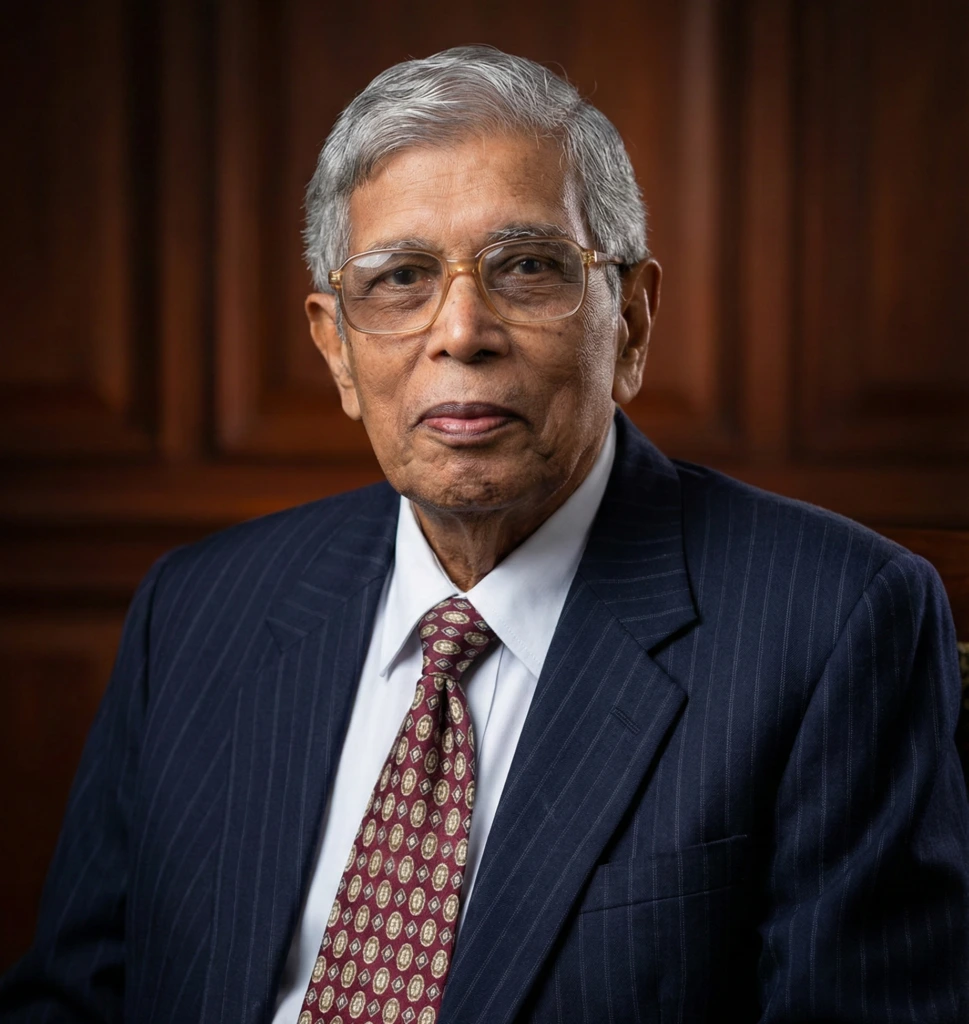
Sitakant Mahapatra is one of the most significant figures in modern Indian literature. He is a poet, literary critic, and translator who writes primarily in Odia (Oriya) and translates his own works into English. He is also a distinguished former IAS officer, and his unique dual identity as a high-ranking bureaucrat and a sensitive poet deeply influences his writing.
Early Life and Education
Birth: He was born on September 17, 1937, in the village of Mahanga in the Cuttack district of Odisha. He grew up in a traditional rural environment, which gave him a deep connection to village life that appears frequently in his poetry.
Education:
He completed his schooling at Ravenshaw Collegiate School and his B.A. from Ravenshaw College, Cuttack.
He earned a Master’s degree in Political Science from Allahabad University in 1959.
Later, he pursued a Ph.D. in Social Anthropology, focusing on the tribal communities of India. This academic interest in tribal culture became a major pillar of his literary work.
Administrative Career (The IAS Officer)
In 1961, he joined the Indian Administrative Service (IAS), the premier civil service of India.
Tribal Connection: During his early years as an officer, he was posted in the tribal districts of Odisha (such as Mayurbhanj and Sundargarh). Here, he spent years living among the Santhal, Munda, and Oraon tribes. He didn’t just govern them; he learned their languages and documented their oral poetry.
High Positions: He rose to prominent positions, eventually serving as the Secretary of the Ministry of Culture, Government of India, and later as the President of the UNESCO World Decade for Cultural Development.
Impact on Poetry: His poem “The Election” comes directly from this experience. As an officer traveling in a jeep, he saw the disconnect between the government (which he represented) and the poor villagers.
Literary Career and Works
Sitakant Mahapatra is a central figure in the modernist movement in Odia poetry. His writing bridges the gap between ancient Indian mythology and modern existential anxiety.
Key Themes:
Tribal Life: He is famous for translating tribal songs into English and Odia. He believes tribal values can heal modern society’s alienation.
Mythology: He frequently uses figures like Krishna, Yashoda, and Kubja to explore modern psychological states.
Death and Time: His poetry often contemplates the passage of time and the inevitability of death.
Notable Collections (Poetry):
Dipti O Dyuti (1963) – His first collection.
Ashtapadi (1967)
Sabdar Akash (The Sky of Words, 1971) – Won the Sahitya Akademi Award.
Ara Drushya (The Other View, 1981) – Won the Jnanpith Award.
The Death of Krishna and Other Poems (English Translation).
The Ruined Temple and Other Poems (English Translation).
Anthologies of Tribal Poetry: He has edited important collections of tribal songs, such as:
The Tangled Web
They Sing Life
Awards and Recognition
Sitakant Mahapatra has received almost every major literary and civilian honor in India:
Sahitya Akademi Award (1974): For his poetry collection Sabdar Akash.
Jnanpith Award (1993): India’s highest literary honor, awarded for his lifetime contribution to Indian literature.
Padma Bhushan (2002): The third-highest civilian award in India.
Padma Vibhushan (2011): The second-highest civilian award in India.
Kabir Samman (1994): A prestigious national poetry award.
Soviet Land Nehru Award.
Relevance to “The Election”
Understanding his biography is crucial to understanding “The Election.”
The Speaker: The “We” in the poem represents Mahapatra himself in his role as an administrator/politician.
The Jeep: The jeep mentioned in the poem is the vehicle of the IAS officer/campaigner entering the remote village.
The Tone: The poem’s tone is one of guilt and introspection. It is the confession of a sensitive man (the poet) trapped in the role of a powerful, disconnected official (the administrator).
Summary of Legacy
Sitakant Mahapatra is a “Poet-Anthropologist.” He is celebrated for giving a voice to the silent, marginalized tribal communities of India while simultaneously mastering the complex, intellectual style of modern poetry.
Word Meaning
| Tough Word | Meaning in English | Meaning in Hindi |
| Crawls | Moves forward very slowly and with difficulty | रेंगना / धीरे-धीरे चलना |
| Seeking | Searching for; trying to find | खोजना / तलाशना |
| Harmony | A state of peace and agreement; balance | तालमेल / शांति |
| Roaring | Making a very loud, deep, confused noise | गरजता हुआ / शोरगुल वाला |
| Chaos | Complete disorder and confusion | अराजकता / अव्यवस्था |
| Bliss | Perfect happiness or joy | परम आनंद |
| Conflagration | A massive, destructive fire (used here for intense suffering) | भीषण आग |
| Private | Personal; belonging to an individual | निजी / व्यक्तिगत |
| Agonies | Extreme physical or mental suffering | तीव्र पीड़ा / व्यथा |
| Longings | Strong, persistent desires or deep wishes | लालसा / तीव्र इच्छा |
| Clever | Showing skill or intelligence (often in a tricking way) | चालाक / होशियार |
| Trappings | Outward signs, decorations, or accessories of a situation | बाहरी दिखावा / साज़-सामान |
| Symbols | Signs or objects representing a political party or idea | चिह्न / प्रतीक |
| Pep talk | A speech intended to encourage or inspire enthusiasm | जोश बढ़ाने वाली बात |
| Handbills | Small printed sheets or flyers distributed by hand | पर्चे / विज्ञापन पत्र |
| Grief | Deep sorrow or sadness | गहरा दुख / शोक |
| Outlives | Lives or lasts longer than something else | से अधिक समय तक जीवित रहना |
| Empires | Large kingdoms or powerful governments | साम्राज्य |
| Discern | To notice, recognize, or understand something clearly | पहचानना / भांप लेना |
| Muted | Silent; quiet; not expressed loudly | मौन / दबी हुई |
| Allegories | Stories or images with a hidden meaning | रूपक / प्रतीक कथा |
| Ashen | Very pale or grey, like ash (sign of fear, guilt, or death) | पीला पड़ा हुआ / राख जैसा |
| Persuaders | Things or people that convince someone to do something | मनाने वाले / प्रेरक |
| Hidden | Kept out of sight; concealed | छिपा हुआ |
| Nylons | A synthetic (man-made) fabric; here represents cheap modern goods | नायलॉन (कृत्रिम कपड़ा) |
| Blot out | To cover completely or hide from view | मिटा देना / छिपाना |
| Hunger | The painful feeling of needing food | भूख |
| Atman | The soul or spiritual self (Sanskrit word) | आत्मा |
| Anguish | Severe mental or physical pain; suffering | वेदना / संताप |
Themes
Rulers vs. Villagers
There is a huge gap between the politicians and the common people. The politicians come from the city in jeeps, looking for peace and “harmony” as if they are on a holiday. They completely fail to understand that the villagers are living in deep pain and “agony.” This theme highlights how the leaders are physically present in the village but emotionally very far away from the people they rule.
Fake Democracy
The poem shows that the election process is just a show. The politicians bring “clever trappings” like posters, flags, and speeches to impress the people. However, these things are useless to someone who is starving. The poet calls these items “trappings” (decorations) to show that democracy in these areas is hollow and does not solve the real problems of the poor.
Endless Suffering
Governments rise and fall, but the pain of the poor never ends. The poet uses the line “your grief outlives empires” to explain this. It means that kings, empires, and political parties change over time, but the suffering of the tribal people remains constant. Their sadness is ancient and lasts longer than any government.
Cheap Bribes
The politicians exploit the poverty of the villagers by offering them cheap gifts. Instead of promising schools or hospitals, they give “cheap plastics,” “nylons,” and “dark glasses.” These are called “the great persuaders.” It is tragic that a valuable vote is traded for such worthless items because the people are so desperate.
Hunger vs. Soul
The poem ends with a difficult moral choice. The villager is torn between two needs. On one side is “hunger” (the need for food/survival), which tempts them to take the bribe. On the other side is “atman” (the soul), which represents their dignity and self-respect. The poet calls this the “anguish of choice,” showing how poverty forces people to sell their conscience just to survive.
Very Short Answer Questions
Who is the poet of the poem “The Election”?
The poet is Sitakant Mahapatra.
What vehicle is used by the politicians to reach the village?
They use a jeep that “crawls” to the village.
What are the politicians seeking in the village?
They are seeking “harmony” and “some cool bliss.”
How does the poet describe the chaos of the election campaign?
He describes it as a “roaring chaos.”
What metaphor is used to describe the villagers’ suffering?
It is described as a “conflagration of private agonies.”
What are the “clever trappings” brought by the politicians?
They are posters, symbols, pep talks, and handbills.
How does the poet describe the duration of the villagers’ grief?
He says their grief “outlives empires.”
What awakens in the villagers’ hearts when the politicians arrive?
The “cold grandchildren” (dormant fears or future sorrows) awaken.
What do the villagers discern on the politicians’ faces?
They discern “muted allegories” (silent stories of falsehood).
How are the politicians’ faces described in the poem?
Their faces are described as “ashen” (pale with guilt or discomfort).
What does the poet ironically call the cheap bribes?
He calls them “the great persuaders.”
List the specific items offered as bribes to the villagers.
Cheap plastics, cheaper nylons, and dark glasses.
What is the symbolic function of the “dark glasses”?
They are meant to “blot out suns” (hide the harsh reality).
What does “one step in hunger” refer to?
It refers to the physical need to accept the bribe for survival.
What does “another (step) in atman” refer to?
It refers to the spiritual desire to maintain dignity and self-respect.
What is the final “anguish” mentioned in the poem?
It is the “anguish of choice” between survival and conscience.
What literary device is used in the phrase “jeep crawls”?
Personification.
From which language was this poem translated?
It was translated from Odia (Oriya).
Who is the speaker in the poem?
The speaker is a politician or government official (represented as “We”).
What is the main theme of the poem?
The disconnect between the hollow democratic process and the deep suffering of the rural poor.
Short Answer Questions
How does the opening stanza establish the contrast between the politicians and the villagers?
The poem begins with a stark contrast between the two groups. The politicians arrive in a jeep that “crawls,” representing the slow and difficult intrusion of modern power into a neglected area. While the politicians are selfishly seeking “harmony” and “cool bliss” to escape their own chaotic city lives, they fail to notice the reality of the village. The village is described as a place of “conflagration” (fire) and “private agonies.” This establishes the central irony: the leaders are looking for peace in a place that is burning with suffering, highlighting their complete emotional disconnect.
Explain the significance of the line “for your grief outlives empires.”
This is one of the most powerful lines in the poem. It suggests that the suffering of the tribal people is ancient, permanent, and unchanging. While political “empires,” governments, and parties rise and fall over time, the poverty and sorrow of the common villager remain exactly the same. The “clever trappings” of the election—like posters and speeches—are temporary and superficial. They cannot “touch” or heal a grief that is so deep and timeless that it has survived longer than the mightiest kingdoms in history.
What is meant by the “cold grandchildren” awakening in the villager’s heart?
This metaphor describes the deep-seated fears and inherited trauma of the villagers. “Cold grandchildren” likely refers to the future generations who are destined to inherit the same poverty and hunger as their ancestors. When the politicians arrive, these dormant fears “awaken” because the villagers are reminded of their vulnerability. It also implies a sense of hopelessness; the future (grandchildren) is “cold” and lifeless rather than warm and promising. The presence of the politicians forces the villagers to confront the bleak reality of what lies ahead for their families.
Why does the poet call the cheap gifts “the great persuaders”?
The poet uses irony here. A “great persuader” is usually a powerful idea or a strong leader. However, in the context of extreme poverty, the things that actually persuade people to vote are “little things” like cheap plastic goods, nylon fabrics, and dark glasses. It is a tragedy that the democratic right to vote is traded for such worthless trinkets. The “dark glasses” are particularly significant because they symbolize how these bribes blind the villagers to the harsh “sun” or truth of their exploitation, keeping them in the dark about their real condition.
Discuss the central conflict expressed in the final lines: “One step in hunger / another in atman.”
The poem concludes with the voter’s painful dilemma, which the poet calls “the anguish of choice.” The villager is torn between two opposing forces. One “step” is driven by hunger, representing the physical need to survive, which pushes them to accept the bribes. The other “step” is grounded in atman (the soul), representing their desire to maintain their dignity, self-respect, and spiritual integrity. The tragedy of the poem is that for the poor, democracy forces a cruel choice: they must either feed their bodies or save their souls, but they often cannot do both.
Essay Type Questions
“The Election” by Sitakant Mahapatra is a satire on the hollowness of the democratic process in rural India. Discuss.
“The Election” by Sitakant Mahapatra serves as a biting satire on the disconnect between the ideals of democracy and its grim reality in impoverished rural India. The poem opens with the arrival of politicians in a jeep, intruding upon a remote tribal village. This physical journey highlights a deep chasm between the rulers and the ruled. The politicians, representing the state, view the village merely as a temporary retreat to find “cool bliss” away from their chaotic city campaigns. They fail to acknowledge the village as a place of living human tragedy, seeing it instead as a backdrop for their own relaxation. This callous attitude immediately satirizes the superficial involvement of the political class in the lives of the poor.
The hollowness of the process is further exposed through the failure of communication. The politicians bring “clever trappings” like posters, symbols, and handbills—tools that are effective in urban settings but meaningless here. The poet emphasizes that these items “do not touch” the villagers. In a place where survival is the primary concern, abstract political symbols hold no value. The villagers’ grief is described as “outliving empires,” suggesting a timeless suffering that renders the temporary excitement of an election insignificant. The democratic ritual is shown to be a one-way performance that fails to engage with the actual needs or reality of the voters.
The satire reaches its peak when the poet describes the actual method of securing votes. When ideology fails, the politicians resort to bribery, using “little things” like cheap plastics, nylons, and dark glasses. The poet ironically calls these trinkets “the great persuaders.” This reduces the sacred democratic right of voting to a cheap transaction. The “dark glasses” serve as a powerful metaphor for the deception involved; they are given to the villagers to help them “blot out suns,” metaphorically helping them hide from the glaring, harsh truth of their own exploitation.
Ultimately, the poem reveals that for the tribal villager, the election is not a celebration of freedom but an “anguish of choice.” The voter is forced to choose between satisfying their immediate “hunger” by accepting bribes or upholding their “atman” (dignity) by refusing them. By presenting this cruel dilemma, Mahapatra critiques a system where poverty strips democracy of its nobility, turning it into a mechanism where the wealthy buy the silence and compliance of the poor.
Analyze the use of imagery and metaphors in the poem “The Election” and how they contribute to the poem’s theme.
Sitakant Mahapatra uses vivid imagery and striking metaphors to build the stark contrast between the politicians’ superficiality and the villagers’ deep-rooted suffering. The poem begins with the personification of the jeep that “crawls” to the village. This visual image suggests the difficult, neglected terrain of the rural area, immediately setting the scene of a place forgotten by modern development. The politicians’ desire for “cool bliss” is juxtaposed with the “conflagration of private agonies.” By comparing the villagers’ suffering to a “conflagration” (a massive fire), the poet conveys the intensity and destructive nature of their pain, which the politicians are willfully ignoring.
The metaphor of the “cold grandchildren” awakening in the heart is particularly haunting. It transforms the abstract concept of fear for the future into a tangible, familial image. It suggests that the arrival of the politicians does not bring hope, but rather disturbs the dormant anxieties about the future generations who will inherit this poverty. Similarly, the “muted allegories” on the politicians’ “ashen faces” turn the politicians themselves into symbols. They are not seen as people, but as living stories of guilt and falsehood that the silent villagers can read and understand.
The most cynical imagery appears in the fourth stanza with the description of the bribes. The “cheap plastics” and “cheaper nylons” symbolize the artificiality of the modern world being imposed on the organic life of the tribe. They represent the low value the state places on these citizens. The “dark glasses” are used metaphorically to “blot out suns.” While literally protecting eyes from sunlight, metaphorically they represent the blinding of the populace—keeping them in the dark about the corruption that keeps them poor.
Finally, the concluding metaphor of “One step in hunger / another in atman” visualizes the moral conflict as a physical walk. It reduces the complex abstract concepts of survival and spirituality into a simple, painful physical action. This imagery creates a powerful emotional impact, forcing the reader to feel the weight of every step the villager takes. Through these devices, Mahapatra transforms a political event into a profound human tragedy, ensuring the themes of disconnection and exploitation resonate deeply with the reader.
“For your grief outlives empires.” Explain this line in the context of the poem and the relationship between the tribal people and the state.
The line “for your grief outlives empires” is the thematic anchor of the poem, summarizing the relationship between the timeless suffering of the tribal people and the transient nature of political power. In this context, “empires” represents all forms of external authority—kingdoms, colonial rulers, and modern democratic governments. The poet asserts that while these political structures rise, fall, and change over centuries, the condition of the tribal villager remains a constant static of sorrow and deprivation. Their grief is not a temporary phase but a permanent state of existence that is older and stronger than history itself.
This line highlights the irrelevance of the election to the villagers. The politicians arrive with a sense of self-importance, believing their campaign (“posters, symbols, pep talk”) matters. However, against the backdrop of eternal grief, their “clever trappings” seem trivial and ridiculous. The poet suggests that the state has never truly touched the lives of these people. Whether it was an ancient emperor or a modern elected official, the reality for the villager has always been one of neglect. The election is just a fleeting ripple in the vast, still ocean of their suffering.
Furthermore, this perspective shifts the power dynamic in the poem. Usually, the state is seen as powerful and the poor as weak. However, by granting the villagers’ grief a quality of endurance that surpasses empires, the poet gives them a tragic dignity. Their suffering is monumental, almost mythic, compared to the “little things” and “cheap plastics” of the politicians. It implies that the politicians are merely passing tourists in the landscape of the villagers’ pain.
In conclusion, this line serves as a condemnation of the state’s failure. It points out that despite the promises of democracy and development, the core reality of the tribal existence hasn’t changed. The state assumes it grants rights and identity to the people, but the poem argues that the people’s identity is defined by a grief so profound that the state becomes insignificant in its presence. It reminds the reader that until this ancient grief is addressed, no “empire” or government can claim true legitimacy.
Critical Analysis
Introduction
“The Election” is a powerful satirical poem by Sitakant Mahapatra, a Jnanpith-winning poet and former IAS officer. Drawing from his personal experiences as an administrator in tribal districts, Mahapatra exposes the grim reality of Indian democracy in its most neglected corners. The poem describes a campaign visit by politicians to a remote tribal village, stripping away the glamour of elections to reveal a heartbreaking narrative of poverty, exploitation, and the unbridgeable gap between the rulers and the ruled.
Central Idea
The central idea of the poem is the hollowness of the democratic process for the impoverished. It highlights the irony that while elections are celebrated as a festival of democracy in the cities, for the tribal villagers, they are a cruel joke. The poem underscores that political rights (voting) mean nothing to people who are struggling for basic survival (“hunger”). It centers on the “anguish of choice” where dignity is often traded for cheap survival goods.
Summary
The poem begins with the politicians’ jeep “crawling” into a remote village. The visitors, tired of the “roaring chaos” of the city campaign, selfishly look for peace (“cool bliss”) in the village, ignoring the “conflagration” of suffering around them.
In the second stanza, the politicians realize their “clever trappings” (posters, speeches) are useless because the villagers’ grief is ancient and “outlives empires.”
In the third stanza, a silent communication occurs. The villagers see through the politicians’ masks, recognizing the guilt (“ashen faces”) and falsehoods (“muted allegories”) behind them.
In the fourth stanza, the politicians resort to bribery, using “cheap plastics” and “dark glasses” to buy votes.
The poem concludes with the villager standing at a crossroads, forced to make a painful choice between feeding their hunger (accepting the bribe) or saving their soul (atman).
Structure & Rhyme Scheme
Structure: The poem is divided into 5 stanzas of unequal length. This irregular structure mirrors the disjointed and broken lives of the villagers and the chaotic nature of the visit.
Rhyme Scheme: The poem is written in Free Verse with no fixed rhyme scheme. The absence of rhyme and musicality reflects the harsh, unromantic reality of the subject matter. It is a modernist technique used to convey raw truth rather than poetic beauty.
Theme
Rulers vs. Villagers: This theme highlights the deep disconnect between the urban politicians and the rural poor. While politicians visit the village seeking relaxation and “harmony,” they remain emotionally blind to the villagers’ “private agonies,” treating the location as a retreat rather than a place of crisis.
Fake Democracy: The poem critiques elections as a hollow performance (“clever trappings”). Posters, symbols, and speeches are meaningless decorations to starving people, revealing that the democratic process in these areas is a show that fails to address real needs.
Endless Suffering: Political power is temporary, but the suffering of the tribe is permanent. The line “your grief outlives empires” emphasizes that while governments and rulers change over history, the deep sorrow and poverty of the common people remain constant.
Cheap Bribes: The politicians exploit the villagers’ desperation by trading valuable votes for worthless items like “cheap plastics” and “nylons.” These “great persuaders” are tragic symbols of how poverty forces people to accept trivial gifts instead of real development.
Hunger vs. Soul: The poem concludes with a cruel moral conflict. The villager is torn between “hunger” (survival) and “atman” (dignity). This “anguish of choice” exposes the tragedy of poverty, where one must often sacrifice their conscience just to eat.
Style
Mahapatra’s style is Modernist and Ironic.
Tone: The tone shifts from cynical observation to deep melancholic reflection.
Perspective: The use of the collective “We” (representing the politicians) is a stylistic masterstroke. It makes the poem a confession of guilt rather than an accusation from the outside.
Diction: The contrast between bureaucratic words (“pep talk,” “handbills”) and philosophical words (“conflagration,” “atman,” “allegories”) elevates the poem from simple satire to a philosophical inquiry.
Poetic Devices
Metaphor
“Conflagration of private agonies”
Explanation: The poet compares the intense suffering and pain of the villagers to a “conflagration” (a massive, destructive fire). It suggests their misery is consuming and violent.
“The cold grandchildren”
Explanation: This metaphors represents the bleak future or the dormant fears of the next generation. Just as grandchildren are the future of a family, these “cold” (lifeless/hopeless) feelings are the future of the tribe.
“Blot out suns”
Explanation: The “sun” is a metaphor for the harsh truth or reality of the villagers’ lives. The dark glasses don’t just block light; they metaphorically help the villagers hide from this painful reality.
“One step in hunger / another in atman”
Explanation: Walking (“steps”) is a metaphor for making a moral decision. The voter is torn between physical survival (hunger) and spiritual dignity (atman).
Irony
“Seeking / harmony in the roaring chaos”
Explanation: It is ironic that the politicians come to a place of suffering to find peace (“harmony”), treating the village like a holiday retreat.
“The great persuaders / are little things”
Explanation: Usually, a “great persuader” is a strong leader or idea. Here, it is ironically used for cheap trinkets (plastic, nylon), mocking how easily votes are bought due to poverty.
“Cool bliss / in the conflagration”
Explanation: Seeking “bliss” (happiness) inside a “fire” (suffering) is a sharp irony that highlights the selfishness of the politicians.
Personification
“Our jeep crawls”
Explanation: The jeep is given the human or animal quality of “crawling.” This emphasizes the difficulty of the journey and the bad condition of the roads.
“The cold grandchildren / awaken in your heart”
Explanation: Fear and memory are personified as “grandchildren” that “awaken” or come to life when the politicians arrive.
Oxymoron (Contrast)
“Harmony in the roaring chaos”
Explanation: “Harmony” (peace) and “Chaos” (disorder) are opposite concepts placed together to show the absurdity of the politicians’ expectations.
“Cool bliss in the conflagration”
Explanation: “Cool” and “Conflagration” (fire/heat) are direct opposites. It highlights the disconnect between the visitors’ comfort and the villagers’ pain.
Imagery
Visual Imagery: “Ashen faces” (pale, guilt-ridden faces), “Dark glasses” (symbol of blindness), “Jeep crawls” (slow movement).
Tactile (Touch) Imagery: “Cool bliss” vs. “Conflagration” (sensations of temperature).
Symbolism
Dark Glasses: Symbolize blindness (willful ignorance of reality) and the desire to hide from the truth.
Cheap Plastics / Nylons: Symbolize the superficiality and artificiality of modern politics. They are cheap, synthetic, and disposable—just like the politicians’ promises.
Jeep: Symbols power, modernity, and intrusion into the rural world.
Allusion
“Atman”
Explanation: The use of the Sanskrit word atman (soul/self) alludes to Indian spiritual philosophy. It elevates the conflict from a simple political choice to a deep spiritual crisis.
Paradox
“The anguish of choice”
Explanation: Choice is usually considered a freedom or a right. Here, it is described as “anguish” (pain), creating a paradox where freedom becomes a burden for the poor.
Critical Commentary
“The Election” is not just a political poem; it is an anthropological critique. Mahapatra does not portray the villagers as helpless victims; instead, he gives them a silent, terrifying power. Their “grief outlives empires,” making the politicians seem small and temporary. The poem is deeply critical of the transactional nature of democracy. By reducing the vote to an exchange for “cheap plastics,” the poet suggests that the system thrives on the poverty it promises to cure. The “dark glasses” are a profound symbol—the state does not give the people vision (education/awareness); it gives them tools to remain blind. The use of the word atman in the final stanza moves the poem from a social commentary to a spiritual crisis, suggesting that poverty doesn’t just kill the body; it threatens the soul.
Message
The poem conveys a bleak but necessary message: Democracy is incomplete without economic justice. It warns that as long as people are desperate (“one step in hunger”), their political choices are not free. It asks the reader to question the morality of a system where the poor must sell their conscience to survive.
Conclusion
Sitakant Mahapatra’s “The Election” is a timeless masterpiece of Indian English poetry. It strips away the festive mask of elections to reveal the “ashen face” of guilt underneath. By juxtaposing the “roaring chaos” of modern politics with the silent, ancient “grief” of the tribe, the poem leaves a lasting impression of the “anguish of choice” that defines the lives of the marginalized. It remains highly relevant in understanding the complexities of development and democracy in the developing world.