
The Sky is your platter
(Guru Nanak Dev Ji)
The Sky is your platter,
The sun and moon are the lamps
The Stars in the sky are the pearls
The Dhoop (Incense) is the fragrance,
That the wind propels, the whole forest is Your flowers
Of What a wonderful Aarti, this is
You are a destroyer of Fear,
The sound of Your Name, which is so subtle, that it goes unheard, Resounds endlessly
You have a thousand eyes, but not one is yours
You have several forms, yet not one is yours
You have feet, noses….. And you have none….
I am charmed by you
Your Light enlightens all!
It is by the Grace of the Guru that the real Light (Knowledge) Manifests.
What pleases the Almighty is this Aarti
Nanak is like the thirsty bird that asks,
For a drop of water, From You O Lord!
That drop (Grace) will make Nanak find comfort, In the uttering of Your Name.
The Sky is Your Platter: Video Explanation
The Sky is your platter Analysis
The Sky is your platter,
The sun and moon are the lamps
The Stars in the sky are the pearls
The Dhoop (Incense) is the fragrance,
That the wind propels, the whole forest is Your flowers
Reference to Context:
These lines are from the Aarti composed by Guru Nanak Dev Ji, which is included in the Sri Guru Granth Sahib (SGGS) on Page 663 under Raag Dhanasri. Guru Nanak composed this hymn during his visit to Jagannath Puri Temple in Odisha, where he witnessed a traditional Aarti (a ritual involving lamps, incense, and offerings). Instead of following the ritualistic worship, Guru Nanak described how the entire cosmos is already engaged in a divine Aarti, praising God through the elements of nature.
This hymn is an expression of universal spirituality, showing that God’s divine presence is worshipped naturally by the sun, moon, stars, wind, and forests. It shifts the idea of worship from man-made rituals to nature’s continuous and eternal glorification of the Divine.
Explanation:
“The Sky is your platter, The sun and moon are the lamps”
Here, Guru Nanak presents the sky as an offering platter (Thaal), similar to the brass or silver platter used in Hindu Aarti rituals.
Instead of physical lamps, the sun and moon act as eternal divine lamps, giving light to the universe.
“The Stars in the sky are the pearls”
The stars twinkling in the vast sky are compared to shimmering pearls placed on the offering plate.
This symbolizes the beauty and majesty of the cosmos, highlighting that God’s creation itself is a form of worship.
“The Dhoop (Incense) is the fragrance, That the wind propels, the whole forest is Your flowers”
In traditional Aarti, incense (Dhoop) is lit to create a fragrant atmosphere. Guru Nanak instead suggests that the wind itself carries nature’s fragrance, making natural incense.
The entire forest becomes an offering of flowers, symbolizing how nature continuously worships the Divine.
“Of What a wonderful Aarti, this is”
Guru Nanak marvels at the grandeur of God’s natural Aarti, showing that the entire universe is already engaged in divine worship.
This line expresses wonder and admiration for the vast, eternal praise offered by nature itself.
Poetic devices:
Metaphor:
“The Sky is your platter” → The sky is metaphorically compared to a platter used in worship.
“The sun and moon are the lamps” → The sun and moon are metaphorically described as divine lamps.
“The Stars in the sky are the pearls” → Stars are compared to precious pearls, highlighting their beauty and glow.
Imagery:
The entire stanza creates a vivid picture of a cosmic Aarti by describing:
The vast sky (platter)
The glowing sun and moon (lamps)
The twinkling stars (pearls)
The fragrant wind (incense)
The beautiful forest (flowers)
This rich visual imagery makes the reader imagine a grand celestial offering, emphasizing nature’s worship of the Divine.
Of What a wonderful Aarti, this is
You are a destroyer of Fear,
The sound of Your Name, which is so subtle, that it goes unheard, Resounds endlessly
Reference to Context:
These lines are from Guru Nanak Dev Ji’s Aarti, found in the Sri Guru Granth Sahib (SGGS), Page 663, under Raag Dhanasri. Guru Nanak composed this divine hymn at Jagannath Puri Temple, where he expressed that the entire cosmos is already performing Aarti (worship) for God.
In this stanza, Guru Nanak marvels at the grandeur of God’s divine Aarti, stating that God is the destroyer of fear and that His Name (Naam) is an eternal, subtle sound that continuously resounds throughout the universe.
Explanation:
“Of What a wonderful Aarti, this is”
Guru Nanak expresses awe and amazement at the cosmic Aarti performed by nature.
Unlike human rituals, where lamps and incense are used, this divine Aarti is grander, infinite, and naturally created by the universe.
“You are a destroyer of Fear”
Fear represents suffering, ignorance, and worldly attachments. Guru Nanak emphasizes that God removes all fears—fear of life, death, pain, and rebirth.
In Sikhism, God is called Nirbhau (Fearless), and those who remember Him (Naam Simran) are freed from fear and suffering.
This line conveys assurance and divine protection, implying that devotion to God brings inner peace and courage.
“The sound of Your Name, which is so subtle, that it goes unheard, Resounds endlessly”
Here, Guru Nanak refers to the Naam (God’s Name), which is beyond normal hearing yet is ever-present.
Naam is eternal and vibrates throughout creation—it is not a physical sound but a divine presence that is constantly resonating.
The phrase “so subtle, that it goes unheard” means that only through deep spiritual realization can one perceive this divine vibration.
The repetition of God’s Name (Naam Simran) leads to enlightenment and union with the Divine.
Poetic Device:
Metaphor:
“The sound of Your Name… Resounds endlessly” → The continuous divine vibration represents the eternal presence of God.
“You are a destroyer of Fear” → God is compared to a force that eliminates fear and suffering.
Personification:
“The sound of Your Name, which is so subtle, that it goes unheard” → The Naam is given a human-like quality, as if it is softly speaking but not heard by all.
Paradox:
“Which is so subtle, that it goes unheard, Resounds endlessly” → The contradiction here highlights a deep spiritual truth:
God’s Name is always present, yet not everyone perceives it.
Those who are spiritually awakened can experience it.
Imagery:
The line “The sound of Your Name… Resounds endlessly” creates an image of a vast, infinite vibration filling the universe, emphasizing God’s ever-present and unending divine energy.
You have a thousand eyes, but not one is yours
You have several forms, yet not one is yours
You have feet, noses….. And you have none….
I am charmed by you
Reference to Context:
These lines are from Guru Nanak Dev Ji’s Aarti, which is found in Sri Guru Granth Sahib (SGGS), Page 663, under Raag Dhanasri. This hymn was composed at Jagannath Puri Temple, where Guru Nanak described how the entire universe naturally worships God.
In these lines, Guru Nanak conveys the incomprehensible nature of God, emphasizing that He is beyond physical form and cannot be limited by human perception.
Explanation:
“You have a thousand eyes, but not one is yours”
This line describes how God sees everything but is beyond a physical form.
“Thousand eyes” symbolize God’s omniscience (all-knowing nature)—He observes the entire universe.
“Not one is yours” means that God does not have a single physical eye like humans; instead, He sees through all living beings.
“You have several forms, yet not one is yours”
God is present in all living beings and elements of nature, yet He Himself has no fixed form.
This highlights God’s omnipresence (existing everywhere) and transcendence (beyond human understanding).
It also aligns with Sikh beliefs—God is Nirankar (formless) yet manifests in all creation.
“You have feet, noses….. And you have none….”
This poetic expression reinforces the paradox of divine existence.
God is present in all living beings (who have feet and noses), but He Himself does not have a physical body.
This emphasizes that God is beyond human attributes, existing both within creation and beyond it.
“I am charmed by your…”
Guru Nanak expresses deep admiration and devotion to the Divine.
He acknowledges that God’s mystery and vastness are beyond human comprehension, yet he is deeply drawn to His divine presence.
Poetic Device:
Paradox:
“You have a thousand eyes, but not one is yours” → God sees everything but does not have a physical eye.
“You have several forms, yet not one is yours” → God is present in all but has no fixed form.
“You have feet, noses….. And you have none….” → God is within all beings yet beyond physical existence.
These paradoxes help explain the divine mystery of God’s omnipresence and formlessness.
Metaphor:
“You have a thousand eyes” → Symbolizes God’s all-seeing nature.
“You have several forms” → Represents God’s presence in all creation.
Your Light enlightens all!
It is by the Grace of the Guru that the real Light (Knowledge) Manifests.
What pleases the Almighty is this Aarti
Reference to Context:
These lines are from Guru Nanak Dev Ji’s Aarti, found in Sri Guru Granth Sahib (SGGS), Page 663, under Raag Dhanasri. Guru Nanak composed this hymn at Jagannath Puri Temple, emphasizing that nature itself is engaged in divine worship and that true enlightenment comes not from rituals, but through divine knowledge (spiritual wisdom) granted by the Guru.
In these lines, Guru Nanak explains that God’s Light (divine wisdom) illuminates all beings, and only through the Guru’s grace can one attain true spiritual knowledge.
Detailed Explanation:
“Your Light enlightens all!”
“Light” here symbolizes divine wisdom, truth, and spiritual realization.
God’s presence is like a universal light that shines upon all beings, guiding them toward truth and righteousness.
This line conveys that spiritual enlightenment is available to everyone, regardless of caste, religion, or status.
“It is by the Grace of the Guru that the real Light (Knowledge) Manifests.”
While God’s Light is everywhere, people remain ignorant due to their attachments and ego.
It is only through the Guru’s wisdom (Gur Prasad) that one can recognize and experience this divine light.
In Sikhism, the Guru is not just a teacher, but a divine guide who removes ignorance and connects individuals with the truth.
This aligns with the Sikh belief that “Satguru” (True Guru) is essential for spiritual realization—without a Guru, one cannot fully understand God’s presence.
“What pleases the Almighty is this Aarti.”
Here, Guru Nanak redefines Aarti—it is not about lamps, incense, or rituals, but about understanding and remembering God’s Name.
The real Aarti that pleases God is inner devotion, selflessness, and the pursuit of divine knowledge.
Instead of performing physical Aarti with material offerings, one should perform Aarti of the soul—through meditation, selfless service, and truthful living.
Poetic Device:
Metaphor:
“Your Light enlightens all!” → Light is a metaphor for divine wisdom and spiritual truth.
“It is by the Grace of the Guru that the real Light Manifests.” → The Guru’s teachings are compared to a light that removes darkness (ignorance).
Symbolism:
Light = Truth, Knowledge, Enlightenment
Darkness = Ignorance, Ego, Material Attachments
Personification:
“Your Light enlightens all” → Light is given human-like qualities of illuminating and guiding people to0ward truth.
Nanak is like the thirsty bird that asks,
For a drop of water, From You O Lord!
That drop (Grace) will make Nanak find comfort, In the uttering of Your Name.
Reference to Context:
These lines are from Guru Nanak Dev Ji’s Aarti, which is found in Sri Guru Granth Sahib (SGGS), Page 663, under Raag Dhanasri. In this hymn, Guru Nanak describes how nature itself performs divine worship, and that true enlightenment comes not through rituals, but through divine grace and devotion to God’s Name (Naam Simran).
In these lines, Guru Nanak humbly compares himself to a thirsty bird, expressing his deep longing for God’s grace. He conveys that just a single drop of divine grace will bring him peace and fulfillment, allowing him to find comfort in God’s remembrance.
Detailed Explanation:
“Nanak is like the thirsty bird that asks, For a drop of water, From You O Lord!”
Guru Nanak compares himself to a small, thirsty bird longing for water.
In Indian poetry and mysticism, the “Chaatrik” (Pied Cuckoo bird) is believed to drink only raindrops from the sky, symbolizing an intense yearning for something divine and pure.
Here, water symbolizes God’s grace (blessings and mercy).
Just as a thirsty bird constantly cries out for a single drop of water, Guru Nanak expresses his deep longing for divine connection.
“That drop (Grace) will make Nanak find comfort, In the uttering of Your Name.”
Guru Nanak acknowledges that he does not seek material wealth or possessions—all he desires is God’s grace.
Just one drop of divine grace is enough to bring eternal peace and spiritual satisfaction.
He finds true comfort and joy in uttering God’s Name (Naam Simran)—which means remembering, meditating, and chanting the divine presence.
This highlights the importance of humility, devotion, and complete surrender to God.
Poetic Device:
Simile:
“Nanak is like the thirsty bird” → Guru Nanak compares himself to a bird longing for water, symbolizing his deep spiritual thirst for God’s grace.
Metaphor:
“That drop (Grace) will make Nanak find comfort” → A single drop of divine grace is compared to life-giving water that quenches spiritual thirst.
Symbolism:
Thirsty bird = Devotee longing for God’s presence
Water = God’s grace and mercy
Naam (God’s Name) = The ultimate source of peace and comfort
The Sky is Your Platter Summary
It is an English adaptation of Guru Nanak Dev Ji’s Aarti, a sacred composition from the Sikh scripture, Sri Guru Granth Sahib (SGGS). Guru Nanak Dev Ji composed the Aarti during his visit to the Jagannath Puri Temple in Odisha, India, in the early 16th century. At the temple, he witnessed priests performing a traditional Hindu Aarti (worship with lamps, incense, and offerings) to the deity Jagannath. Instead of participating in the ritual, Guru Nanak was inspired by the grandeur of nature itself and composed his own universal Aarti, describing how the entire cosmos is already engaged in divine worship.
This Aarti is a spiritual masterpiece that moves beyond physical rituals and emphasizes that the sun, moon, stars, and winds naturally serve as offerings to the Divine. The poem also highlights the formlessness of God—He is present everywhere yet remains beyond human perception.
Guru Nanak’s Aarti is recorded in the Sri Guru Granth Sahib (SGGS), the holy scripture of Sikhism, on Page 663. It is written in Raag Dhanasri, a melodic scale in Indian classical music.
When the fifth Sikh Guru, Guru Arjan Dev Ji, compiled the first version of Guru Granth Sahib in 1604, he included Guru Nanak’s Aarti along with hymns from other Sikh Gurus and saints like Bhagat Ravidas, Bhagat Kabir, and Bhagat Sain, making it part of the official Sikh Aarti recitation.
Guru Nanak Dev Ji’s Aarti is a beautiful and spiritual hymn that describes how the entire universe worships God naturally, without the need for human rituals. Instead of traditional Aarti, where lamps, incense, and flowers are used in prayer, Guru Nanak explains that the sky itself is like a huge platter for offering worship to God.
The sun and moon act as divine lamps, the stars in the sky shine like pearls, and the wind spreads fragrance like incense. The entire forest becomes the flowers offered to the Divine. Guru Nanak shows that the whole world is already engaged in praising and worshipping God in its own way.
He then describes how God is beyond human understanding. God has thousands of eyes, yet none; thousands of hands and feet, yet none. This means that God is everywhere and in everything, but we cannot see Him with our normal eyes. He takes many forms but remains beyond physical existence.
Guru Nanak further explains that God’s light (wisdom and knowledge) is what truly brightens the world. People can only realize this truth through the Guru’s guidance, which removes ignorance and fills the heart with divine understanding.
Towards the end of the hymn, Guru Nanak humbly compares himself to a small, thirsty bird who is longing for a drop of water. In the same way, he prays for just a little bit of God’s grace, which will bring him peace and help him remember God’s name.
Key Points
Author
The poem is composed by Guru Nanak Dev Ji, the founder of Sikhism and the first Guru of the Sikhs.
It is included in Sri Guru Granth Sahib (SGGS), Page 663, under Raag Dhanasri.
Guru Nanak composed this hymn during his visit to Jagannath Puri Temple, Odisha, where he observed ritualistic Aarti (worship with lamps and incense) and instead described how nature itself performs divine worship.
Form (Rhyme Scheme & Structure)
The poem is written in free verse with musical flow, following the structure of Raag Dhanasri, a classical melody in Indian music.
It does not follow a fixed rhyme scheme but maintains a rhythmic and lyrical quality when sung.
The structure follows a continuous praise of the Divine, emphasizing metaphorical and spiritual imagery.
Speaker
The speaker is Guru Nanak Dev Ji, expressing his vision of divine worship beyond rituals.
He speaks from the perspective of a humble devotee, marveling at God’s infinite power and expressing deep longing for divine grace.
Setting
The setting is universal and cosmic—the entire universe is described as performing Aarti (worship).
The sky is the platter, the sun and moon are lamps, the stars are pearls, and the wind spreads fragrance.
This setting reflects Guru Nanak’s spiritual realization that God is beyond physical temples and rituals—He is worshipped by the natural world itself.
Theme
a) Universal Worship of God
Guru Nanak replaces traditional Aarti with the natural elements performing divine service.
The sun, moon, stars, wind, and forests act as offerings, showing that nature itself glorifies God.
b) God’s Omnipresence and Formlessness
God is beyond human perception—He has thousands of eyes, feet, and forms, yet none.
This highlights His presence in all creation while remaining beyond physical form.
c) Divine Grace and Spiritual Thirst
Guru Nanak compares himself to a thirsty bird longing for a drop of water, symbolizing a devotee’s deep yearning for God’s grace.
Even a single drop of divine mercy is enough to bring eternal peace.
d) The Role of the Guru
True spiritual enlightenment comes through the Guru’s guidance, who reveals the real Light (spiritual wisdom).
The Guru removes ignorance and leads the soul toward divine realization.
e) Rejection of Rituals, Focus on Naam Simran (Remembering God’s Name)
Guru Nanak shifts the idea of worship from ritualistic offerings to meditative remembrance of God (Naam Simran).
True Aarti is not about lamps and incense but about chanting and living in God’s Name.
Plot
Nature as Worship – The sky is the platter, the sun and moon are the lamps, and the stars are pearls. This establishes the idea that nature is already engaged in divine Aarti.
God’s Omnipresence – He has thousands of eyes, forms, and feet, yet none, highlighting His transcendence.
God’s Light Enlightens All – Only through the Guru’s grace can one attain true knowledge.
The Real Aarti – What pleases God is not physical rituals but sincere devotion.
Longing for Divine Grace – Guru Nanak compares himself to a thirsty bird seeking a drop of water, symbolizing the soul’s deep yearning for divine connection.
Tone
Reverential and Devotional – The poem is an expression of deep spiritual awe toward God’s greatness.
Humility and Longing – Guru Nanak expresses a humble yearning for divine grace, comparing himself to a thirsty bird.
Philosophical and Mystical – The paradoxes of God’s nature (having thousands of eyes but none) add a profound mystical tone.
Style
a) Poetic Devices Used:
Metaphor – “The sky is Your platter,” “The stars are pearls,” “God’s Light enlightens all.”
Personification – “The wind propels the fragrance,” “The thirsty bird asks for a drop of water.”
Paradox – “You have thousands of eyes, yet not one is yours.”
Symbolism – Water symbolizes divine grace; Light symbolizes spiritual knowledge.
b) Musical and Lyrical Flow:
The hymn is meant to be sung in Raag Dhanasri, giving it a melodious and devotional quality.
c) Repetition for Emphasis:
The repetition of “Light” and “Naam” (God’s Name) reinforces the central idea of divine enlightenment.
Message
God is beyond human understanding—He is omnipresent, formless, and infinite.
Nature itself performs Aarti (divine worship); rituals are not necessary for devotion.
True spiritual enlightenment comes through the Guru’s grace, not external ceremonies.
Naam Simran (remembering God’s Name) is the real Aarti that pleases God.
The soul must yearn for divine grace, just like a thirsty bird seeks water.
Shri Guru Nanak Dev Ji
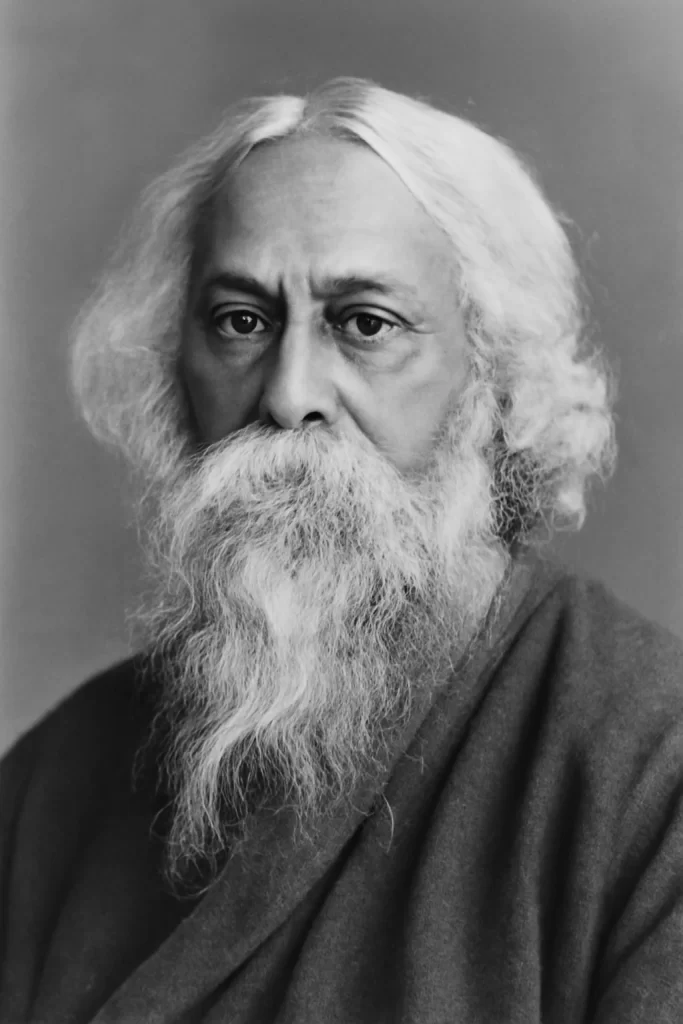
Introduction
Guru Nanak Dev Ji (1469–1539) was the founder of Sikhism and the first Guru of the Sikhs.
He emphasized equality, service, devotion to one God, and rejection of caste-based discrimination.
His teachings laid the foundation of Sikh philosophy, which was later expanded by the nine successive Sikh Gurus.
Birth and Early Life
Born: 15 April 1469, in Talwandi (now Nankana Sahib, Pakistan).
Parents: Father Mehta Kalu Ji (a village revenue officer) and Mother Mata Tripta Ji.
He was deeply spiritual from a young age and questioned religious rituals and social injustices.
As a child, he refused to participate in meaningless rituals and caste-based discrimination, showing signs of his divine wisdom.
Spiritual Awakening & Udasis (Journeys)
At the age of 30, Guru Nanak had a spiritual revelation at the Kali Bein River, where he declared:
“Na Koi Hindu, Na Koi Musalman”
(There is neither Hindu nor Muslim, all are equal before God.)
He traveled extensively across India, Tibet, Sri Lanka, Mecca, Baghdad, and Persia to spread his message.
These travels, known as Udasis, lasted for about 24 years, during which he challenged superstitions, idol worship, and social inequalities.
Core Teachings of Guru Nanak
Guru Nanak Dev Ji’s philosophy is based on One God, equality, and selfless service. His key teachings include:
a) Ik Onkar – One God
There is only one universal Creator who is formless, omnipresent, and beyond human understanding.
He rejected the worship of idols and emphasized direct connection with God through devotion and good deeds.
b) Naam Japna (Remembering God’s Name)
Continuous meditation and remembrance of God (Naam Simran) leads to spiritual enlightenment.
c) Kirat Karni (Honest Living)
One should work hard and earn a truthful livelihood, avoiding dishonesty, greed, and exploitation.
d) Vand Chakna (Sharing with Others)
Selfless service (Seva) and sharing wealth with the needy is the highest form of devotion.
e) Equality and Social Justice
He rejected the caste system, untouchability, and gender inequality.
Women were given equal status and the right to participate in religious and social life.
f) Langar (Community Kitchen)
Guru Nanak established the tradition of Langar, where food is served free to all, irrespective of caste, religion, or status.
This tradition continues in all Sikh Gurdwaras today.
Major Literary Contributions
Guru Nanak composed 974 hymns, which were later included in the Sri Guru Granth Sahib (SGGS).
His most famous hymns include:
Japji Sahib – A spiritual discourse on the nature of God.
Aarti – A hymn describing the universe as a natural form of worship.
Asa Di Var – A collection of hymns promoting righteousness and equality.
Establishment of Kartarpur and Final Years
Guru Nanak settled in Kartarpur (now in Pakistan) in 1522, where he preached his message of love, devotion, and equality.
Successor: Before his passing in 1539, Guru Nanak appointed Guru Angad Dev Ji as his successor.
Legacy: The town of Kartarpur Sahib remains a significant Sikh pilgrimage site today.
Legacy and Impact
Guru Nanak’s teachings laid the foundation of Sikhism, which was later expanded by his successors.
His principles of equality, unity, and devotion remain relevant even today.
The Sikh Gurus continued his mission, leading to the establishment of Sikh scriptures, traditions, and institutions.
Word Meaning
| Tough Word | Meaning in English | Meaning in Hindi |
| Platter | A large flat dish or plate | थाली / परात |
| Incense | A substance that produces a pleasant smell when burned | धूप / अगरबत्ती |
| Fragrance | A pleasant and sweet smell | सुगंध / महक |
| Propels | Pushes forward or moves something | आगे बढ़ाना / प्रेरित करना |
| Subtle | Delicate, not easily noticed | सूक्ष्म / हल्का |
| Resounds | Echoes or rings loudly | गूंजना / प्रतिध्वनित होना |
| Charmed | Delighted or attracted | मोहित / आकर्षित |
| Enlightens | Gives knowledge or understanding | ज्ञान देना / प्रकाशित करना |
| Grace | Divine kindness or blessing | कृपा / आशीर्वाद |
| Manifests | Becomes visible or clear | प्रकट होना / व्यक्त होना |
| Pleases | Brings happiness or satisfaction | प्रसन्न करना / खुश करना |
| Almighty | All-powerful, referring to God | सर्वशक्तिमान / ईश्वर |
| Uttering | Speaking or pronouncing words | उच्चारण करना / बोलना |
Themes
1. Universal Worship of God
Guru Nanak rejects ritualistic Aarti with lamps and incense.
He explains that nature itself worships God—the sky is the platter, the sun and moon are lamps, and the stars are pearls.
Worship is not confined to temples but exists in the entire universe.
2. God’s Omnipresence and Formlessness
God has thousands of eyes, feet, and forms, yet none, meaning He exists in all beings but has no physical form.
This reflects the Sikh belief in One God (Ik Onkar), who is beyond human perception.
God is present everywhere and is not limited to any religion.
3. Divine Grace and Spiritual Thirst
Guru Nanak compares himself to a thirsty bird longing for a drop of water, symbolizing the soul’s deep desire for God’s grace.
Even a single drop of God’s mercy is enough to bring peace and fulfillment.
True devotion comes from seeking God with humility and sincerity.
4. The Role of the Guru in Enlightenment
Spiritual wisdom (Light) is attained only through the Guru’s grace.
The Guru removes ignorance and leads people toward divine knowledge.
Without the Guru’s guidance, one remains trapped in worldly illusions and ego.
5. Rejection of Rituals, Focus on Naam Simran (Remembering God’s Name)
True Aarti is not about lamps, flowers, or incense, but about meditating on God’s Name (Naam Simran).
God is pleased by true devotion, humility, and a righteous life rather than physical offerings.
Guru Nanak shifts the focus from external rituals to inner spirituality and remembrance of God.
The Sky is your platter Questions and Answers
Very Short Answer Questions
Who composed the Aarti hymn in Sikhism?
Guru Nanak Dev Ji.
Where is Guru Nanak’s Aarti recorded?
Sri Guru Granth Sahib, Page 663 (Raag Dhanasri).
Where did Guru Nanak compose this Aarti?
Jagannath Puri Temple, Odisha.
What does Guru Nanak compare the sky to in the Aarti?
A platter (Thaal) used in worship.
Which celestial bodies are compared to lamps in the Aarti?
The Sun and Moon.
What is used as incense in Guru Nanak’s Aarti?
The fragrance carried by the wind.
What does Guru Nanak say about God’s form?
God has many forms yet remains formless.
What does the phrase “thousand eyes but not one is yours” mean?
God sees everything but has no physical eyes.
How does Guru Nanak describe true enlightenment?
It manifests by the grace of the Guru.
What is the real Aarti according to Guru Nanak?
Praising and remembering God’s Name (Naam Simran).
What does Guru Nanak compare himself to in the hymn?
A thirsty bird longing for a drop of water.
What does the ‘drop of water’ symbolize in the Aarti?
God’s grace and divine mercy.
According to Guru Nanak, what pleases God the most?
Devotion, humility, and remembrance of His Name.
Why does Guru Nanak reject ritualistic Aarti?
Because nature itself is already performing divine worship.
Which Indian classical Raag is Guru Nanak’s Aarti sung in?
Raag Dhanasri.
What does ‘God’s Light enlightens all’ mean?
God’s wisdom and presence illuminate all beings.
What role does the Guru play in spiritual awakening?
The Guru helps reveal true knowledge (Light).
What is the central theme of Guru Nanak’s Aarti?
God is worshipped through nature and sincere devotion, not rituals.
What does Guru Nanak say about the stars in his Aarti?
They are like pearls in the sky’s divine offering.
What ultimate message does Guru Nanak’s Aarti convey?
True worship is remembering God’s Name with love and humility.
Short Answer Questions
Why did Guru Nanak Dev Ji compose the Aarti at Jagannath Puri?
Guru Nanak Dev Ji visited Jagannath Puri Temple, where he observed the traditional Aarti with lamps, incense, and offerings. Instead of following the ritual, he composed his own Aarti, emphasizing that nature itself worships God. He described how the sky, sun, moon, stars, and wind perform divine service, making ritualistic Aarti unnecessary.
What is the significance of “The Sky is Your Platter” in Guru Nanak’s Aarti?
Guru Nanak compares the sky to a platter (Thaal) used in religious offerings, suggesting that the entire cosmos naturally worships God. The sun and moon act as lamps, and the stars shine like pearls, symbolizing divine illumination. This metaphor highlights that true worship transcends human rituals and is present in the natural world.
How does Guru Nanak describe God’s formlessness in the Aarti?
Guru Nanak states that God has thousands of eyes, feet, and forms, yet none at the same time. This paradox means that God is omnipresent, existing in all beings, yet beyond physical existence. By rejecting anthropomorphic (human-like) depictions of God, Guru Nanak emphasizes His infinite and formless nature.
What does Guru Nanak mean by “Your Light enlightens all”?
Here, light symbolizes divine wisdom and truth. Guru Nanak explains that God’s presence illuminates all beings, guiding them towards spiritual realization. However, true enlightenment comes only through the Guru’s grace, as the Guru helps remove ignorance and reveals the path to understanding God.
Why does Guru Nanak reject the need for physical Aarti (ritualistic worship)?
Guru Nanak teaches that God does not require material offerings like lamps, incense, or flowers. Instead, the entire universe is already engaged in a grand, natural Aarti through the sun, moon, wind, and stars. He emphasizes that true worship lies in remembering and meditating on God’s Name (Naam Simran).
Explain the metaphor of the thirsty bird in the Aarti.
Guru Nanak compares himself to a thirsty bird longing for a drop of water, symbolizing a devotee’s deep yearning for divine grace. Just as a bird seeks water for survival, the human soul craves a connection with God. He expresses that even a single drop of God’s mercy is enough to bring eternal peace and contentment.
What role does the Guru play in spiritual enlightenment according to the Aarti?
Guru Nanak states that true knowledge (spiritual light) is attained only through the Guru’s grace. The Guru removes ignorance and reveals the path to God, allowing devotees to experience divine wisdom. Without the Guru’s guidance, people remain trapped in worldly illusions and ego.
What is the central theme of Guru Nanak’s Aarti?
The central theme is that true worship (Aarti) is not about rituals but about devotion, humility, and remembering God’s Name. Guru Nanak presents the universe itself as an ongoing Aarti, rejecting religious formalities and emphasizing God’s omnipresence, divine grace, and the Guru’s role in enlightenment.
How does Guru Nanak’s Aarti promote the idea of equality?
Guru Nanak rejects caste-based distinctions and exclusive religious practices by stating that God’s worship is universal. His Aarti does not belong to any single religion but shows that all creation, regardless of human divisions, naturally glorifies the Divine. This reflects his vision of unity and equality among all beings.
What is the ultimate message of Guru Nanak’s Aarti?
The ultimate message is that God is beyond rituals, temples, and human perceptions. Nature itself worships Him, and true devotion lies in remembering His Name, living truthfully, and seeking divine grace. Guru Nanak teaches that spiritual realization comes through humility, selfless service, and the Guru’s wisdom, not through external offerings.
Critical Analysis
Introduction
Guru Nanak Dev Ji’s Aarti is a spiritual masterpiece found in Sri Guru Granth Sahib (SGGS), Page 663, under Raag Dhanasri. It was composed at Jagannath Puri Temple, Odisha, where Guru Nanak witnessed the traditional Aarti being performed with lamps, incense, and ritualistic offerings. Instead of engaging in the physical ritual, Guru Nanak composed a universal and cosmic Aarti, describing how nature itself worships God continuously. The hymn emphasizes God’s omnipresence, the role of the Guru in enlightenment, and the rejection of ritualistic worship in favor of true devotion.
Central Idea
The central idea of Guru Nanak’s Aarti is that the entire universe is engaged in the worship of God, making human rituals unnecessary. He explains that the sky is the platter (Thaal), the sun and moon are the lamps, the stars are pearls, and the wind carries divine incense. Guru Nanak highlights that God is formless, beyond physical perception, and present in everything. He also emphasizes that true spiritual enlightenment comes through the Guru’s grace, and real Aarti is performed by meditating on God’s Name (Naam Simran) rather than engaging in external rituals.
Structure & Rhyme Scheme
The poem follows a rhythmic and lyrical style suitable for singing in Raag Dhanasri (a classical Indian melody).
It does not have a fixed rhyme scheme, but the flow of ideas and repetition of key phrases create a harmonious and poetic effect.
The hymn is written in free verse, focusing more on spiritual depth rather than rigid poetic structure.
It progresses from describing nature’s worship, to God’s formlessness, to the necessity of divine grace and true devotion.
Theme
a) Universal Worship of God
Guru Nanak redefines Aarti as a cosmic phenomenon, where the sun, moon, stars, and wind continuously glorify God.
He teaches that true worship is not about physical rituals but about recognizing God’s presence everywhere.
b) God’s Omnipresence and Formlessness
God is beyond human comprehension—He has thousands of eyes, feet, and forms, yet none.
This expresses the Sikh belief in Ik Onkar (One God), who is Nirankar (Formless) and present in all creation.
c) Divine Grace and Spiritual Thirst
Guru Nanak compares himself to a thirsty bird longing for a drop of water, symbolizing the soul’s deep desire for God’s grace.
Even a single drop of divine mercy is enough to bring spiritual fulfillment.
d) The Role of the Guru in Enlightenment
True knowledge (spiritual light) manifests only through the Guru’s grace.
Without the Guru, one remains trapped in ignorance and ego.
e) Rejection of Rituals, Focus on Naam Simran
Guru Nanak shifts the focus from external rituals to meditative remembrance of God’s Name (Naam Simran).
He teaches that God is pleased not by material offerings but by sincere devotion, humility, and truthful living.
Style
Simple yet profound language that conveys deep spiritual truths in an accessible manner.
Use of free verse, making it adaptable to musical rendition in Raag Dhanasri.
Imagery-rich descriptions that create a vivid picture of nature’s cosmic worship.
Use of short, powerful lines to convey spiritual wisdom in a concise form.
Poetic Devices
a) Metaphor
“The sky is Your platter” → Sky is compared to a Thaal (offering plate).
“The stars are pearls” → Stars are compared to divine pearls in the sky.
“Your Light enlightens all” → Light represents God’s wisdom and spiritual enlightenment.
b) Personification
“The thirsty bird asks for a drop of water” → The bird symbolizes a devotee longing for divine grace.
c) Paradox
“You have a thousand eyes, but not one is yours” → God sees everything but has no physical eyes.
“You have several forms, yet not one is yours” → God exists in all forms yet remains formless.
d) Symbolism
Sky = Universal offering platter
Sun & Moon = Divine lamps
Stars = Pearls (beauty of creation)
Water = God’s Grace
Critical Commentary
Rabindranath Tagore, the Nobel Laureate, was deeply moved by Guru Nanak’s Aarti and translated it into Bengali. He called it “a hymn beyond religion, embracing all humanity”.
Sikh scholars describe this hymn as a revolution against ritualism, highlighting that true devotion is internal, not external.
Modern spiritual thinkers appreciate its universal appeal, as it promotes equality, humility, and inner worship rather than sectarian practices.
Message
God is omnipresent and worshipped by the entire universe.
True devotion is in remembering God’s Name (Naam Simran), not in rituals.
Spiritual enlightenment is attained only through the Guru’s grace.
Humility and longing for God’s presence bring ultimate peace.
The real Aarti is performed by nature itself, showing that worship is not confined to religious boundaries.
Conclusion
Guru Nanak Dev Ji’s Aarti is a poetic and spiritual masterpiece that redefines the meaning of divine worship. It moves beyond rituals and ceremonies, presenting the universe itself as an eternal act of devotion. The hymn conveys a message of unity, divine grace, and the power of Naam Simran. Its poetic beauty, deep spiritual meaning, and timeless wisdom make it one of the most profound hymns in Sikh literature.